Chandigarh Blockchain Exam Platform Wins National Recognition
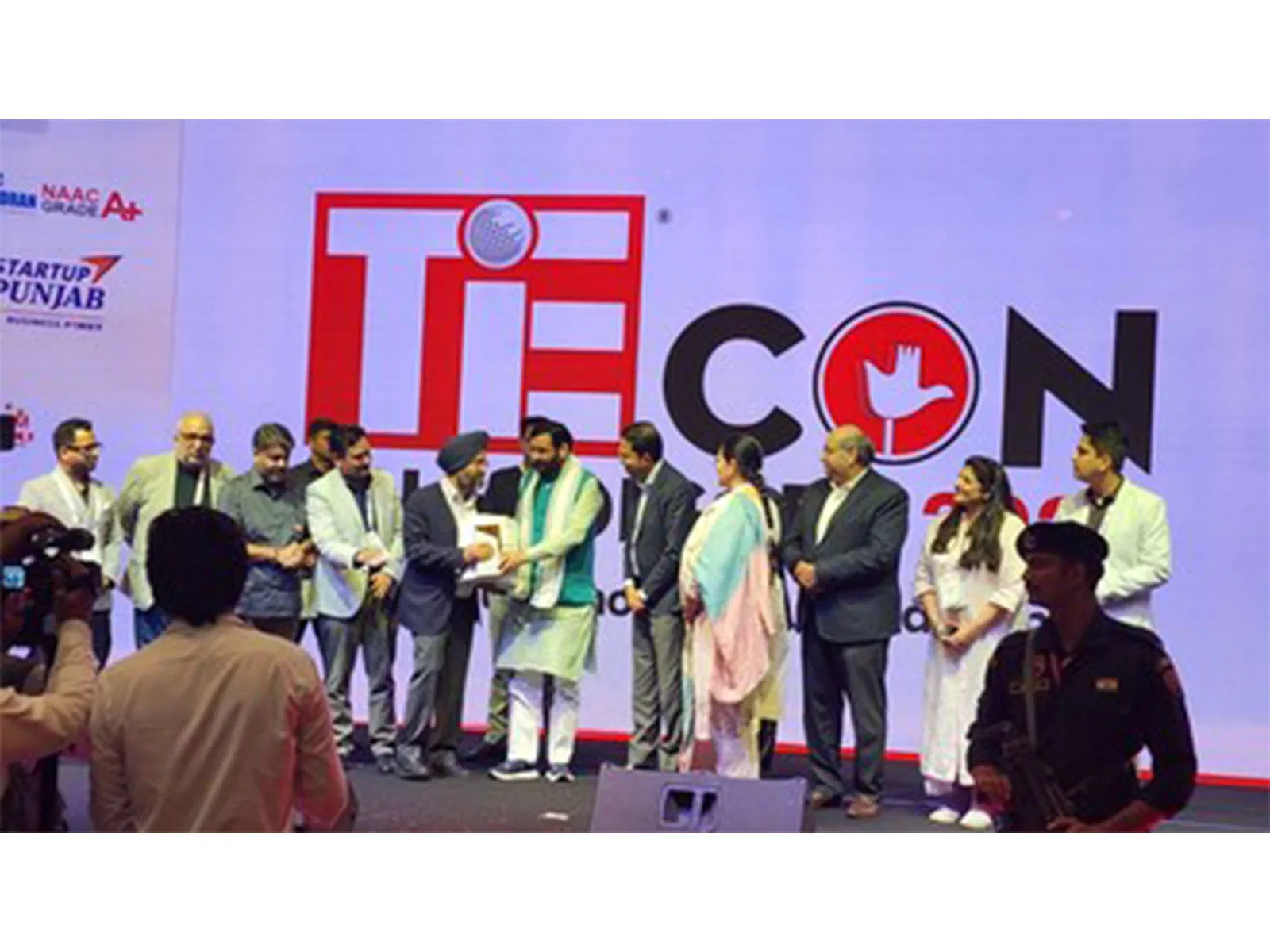
A blockchain-based examination platform has been recognised at a major startup and policy forum in Chandigarh, signalling growing institutional interest in technology-led solutions to restore trust in India’s assessment systems. The recognition, conferred during TiECON Chandigarh 2026, underscores a broader shift towards digital infrastructure designed to secure high-stakes public examinations.
The platform, developed within India’s emerging blockchain ecosystem, focuses on eliminating vulnerabilities across the examination lifecycle—from question paper creation to evaluation and certification. Its architecture relies on encryption, distributed ledgers and automated validation systems to reduce manual intervention, which has historically been a key source of malpractice in examination processes. The recognition comes against a backdrop of recurring examination irregularities across multiple states. Data from recent years indicates that paper leaks and procedural lapses have affected millions of candidates, raising systemic concerns about transparency, fairness and governance in public recruitment and education systems. Urban governance experts note that such incidents are not merely administrative failures but also reflect gaps in civic infrastructure. Examination systems—particularly for public sector jobs and higher education—form a critical part of social mobility in Indian cities. When compromised, they undermine economic opportunity and erode public trust in institutions.
The emerging blockchain exam infrastructure India approach seeks to address these structural challenges by introducing tamper-proof digital frameworks. By using cryptographic controls and automated workflows, the system ensures that sensitive data such as question papers cannot be accessed or altered without authorisation. At the same time, real-time audit trails create accountability across stakeholders, from administrators to invigilators. Industry observers suggest that the adoption of such platforms aligns with India’s broader push towards digital public infrastructure. Similar to how identity and payment systems have been digitised at scale, education and recruitment processes are now being reimagined as technology-backed public utilities. This transition could reduce systemic leakages while improving efficiency and scalability. The recognition at TiECON—a forum that brings together policymakers, entrepreneurs and investors—also highlights the increasing convergence between startup innovation and governance needs. As cities expand and the demand for fair access to jobs and education intensifies, scalable digital systems are likely to play a central role in maintaining institutional credibility.
However, experts caution that technological solutions must be complemented by regulatory frameworks, capacity building and data protection safeguards. While blockchain offers immutability and transparency, its effectiveness depends on adoption at scale and integration with existing administrative systems. The evolution of blockchain exam infrastructure India reflects a deeper shift in how public systems are being designed—moving from fragmented, paper-based processes to integrated, verifiable and citizen-centric platforms. For India’s rapidly urbanising population, such transitions could redefine access to opportunity, ensuring that merit-based systems remain credible and inclusive.