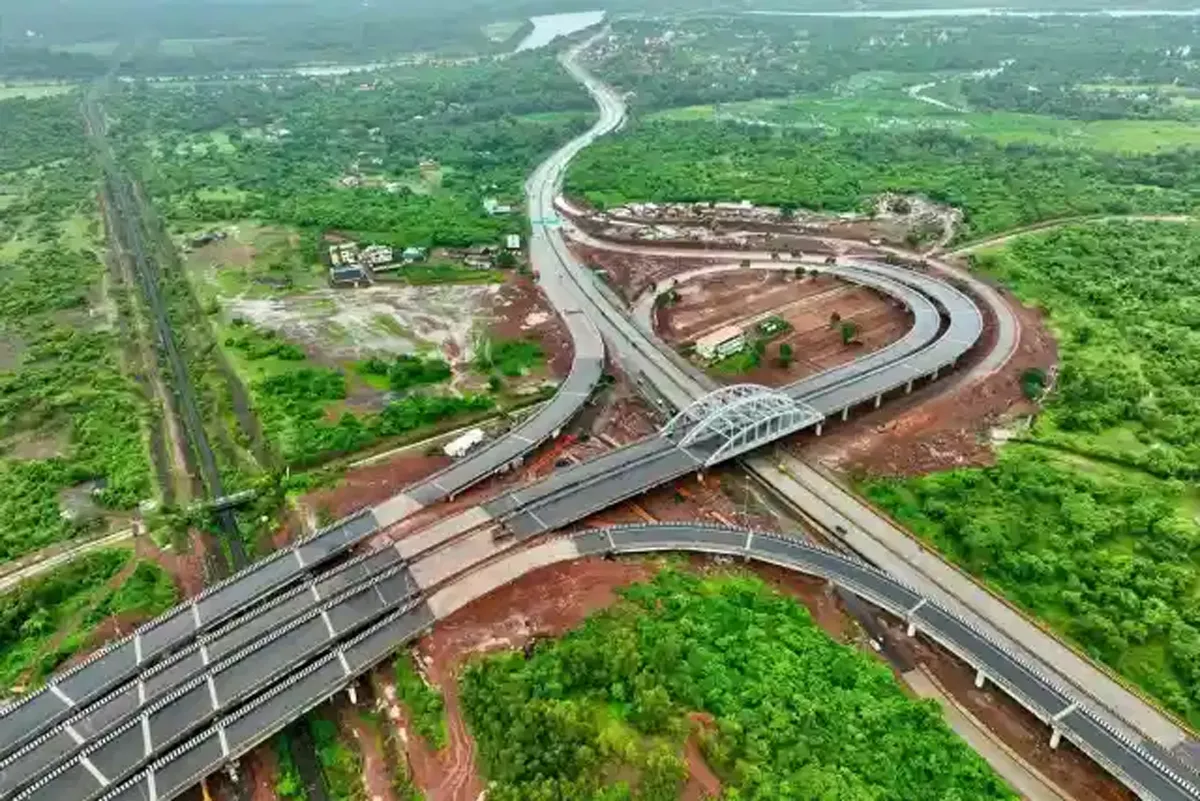
A critical stretch of Kochi’s arterial network is facing renewed disruption as rectification work on the Kumbalam bridge along NH-66 remains stalled, intensifying traffic congestion and raising safety concerns. The delay highlights persistent challenges in maintaining and upgrading infrastructure in one of Kerala’s busiest urban corridors, where daily commuter movement and logistics operations are closely intertwined.
The ongoing work, overseen by the National Highways Authority of India (NHAI), was initiated to address structural issues caused by soil settlement at the bridge’s approach roads. However, progress has remained limited, with only a small portion of the repair work completed despite earlier assurances of a quick turnaround. The Kumbalam stretch is a key segment of NH-66, a major north–south corridor connecting several coastal cities and facilitating both passenger and freight movement. Any disruption along this route has a cascading effect on urban mobility, particularly in Kochi where the bypass already carries heavy suburban and intercity traffic. At the centre of the issue is the uneven gradient between the bridge and its approach roads, a condition that has developed over time due to ground settlement in reclaimed or soft soil zones. This has created abrupt level differences that pose a risk to motorists, especially at higher speeds or during low-visibility conditions. The stalled rectification has aggravated these risks. Temporary construction materials and incomplete repair work have narrowed usable road space, leading to frequent bottlenecks during peak hours.
Local commuters report longer travel times and increased accident risk, particularly for two-wheelers navigating sudden dips and uneven surfaces. From an infrastructure planning perspective, the situation underscores deeper systemic issues. Several stretches along the Kochi bypass have experienced similar settlement-related problems, suggesting a need for more robust geotechnical assessment and long-term engineering solutions rather than short-term fixes. Experts note that repeated resurfacing or patchwork repairs may not address the root causes of subsidence.The delay also reflects coordination challenges often seen in large infrastructure networks. While agencies like the National Highways Authority of India (NHAI) are responsible for execution, long-term solutions may require collaboration with technical consultants and state authorities to address underlying soil stability and drainage concerns.For Kochi’s urban ecosystem, the implications go beyond inconvenience. Efficient transport corridors are critical to economic activity, including port connectivity, logistics, and daily commuting. Disruptions on NH-66 can affect supply chains and increase operational costs for businesses dependent on timely movement of goods.At a broader level, the incident highlights the growing importance of resilient infrastructure in climate-sensitive regions. Coastal cities like Kochi face complex challenges related to soil conditions, waterlogging, and environmental stress, all of which influence the durability of roads and bridges.
Looking ahead, timely completion of rectification work will be essential to restore normal traffic flow. More importantly, the situation calls for a shift towards long-term infrastructure resilience—where design, execution, and maintenance are aligned with local environmental conditions and future urban growth demands.