Kochi River Demolition Drive Signals Urban Renewal Push
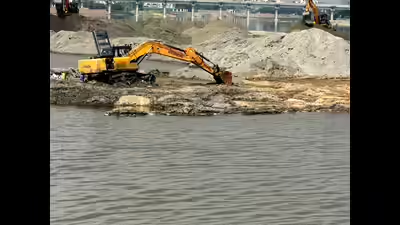
A large-scale demolition drive along the Konthuruthy river in Kochi has begun, marking a critical phase in the city’s effort to restore its urban waterways and improve flood resilience. The action follows a directive from the Kerala High Court to clear encroachments and reclaim the river’s original width, underscoring the growing urgency of climate-adaptive urban planning in coastal cities.
The operation targets more than 100 households built along the river’s banks, many of which had accepted rehabilitation assistance from the Kochi Corporation. Authorities have already disbursed compensation packages to a majority of affected families, enabling relocation ahead of demolition. However, some residents continue to face challenges in securing alternative housing, delaying full evacuation in certain stretches. The clearance effort is part of a broader canal and river restoration initiative aimed at improving water flow, reducing flooding risks, and enabling future urban mobility projects. Over the years, encroachments had significantly narrowed sections of the Konthuruthy river—from nearly 48 metres to as little as five metres in places—affecting drainage capacity and increasing vulnerability to waterlogging. Urban planners note that such interventions are becoming increasingly necessary as Indian cities grapple with climate stress and unplanned growth. Reclaiming natural waterways is critical not only for flood mitigation but also for improving ecological health and integrating blue-green infrastructure into city planning.
At the same time, the demolition drive highlights persistent tensions between environmental restoration and housing security. A section of residents has challenged the eviction process, arguing that they have lived in the area for decades and possess documentation supporting their claims. Their petitions raise questions around classification of land, rehabilitation adequacy, and procedural fairness. The rehabilitation framework includes financial assistance intended to support relocation, with flexibility for beneficiaries to resettle beyond municipal limits. Officials suggest that a majority of households have cooperated with the process, though documentation gaps and legal disputes continue to slow full implementation. From an infrastructure perspective, the project is tied to larger investments in urban regeneration and water transport systems. Restoring the canal is expected to enable future mobility corridors and improve connectivity, aligning with long-term plans to integrate waterways into the city’s transport network.However, the situation also reflects a broader challenge across Indian cities—balancing ecological restoration with inclusive urban development. While clearing encroachments is necessary for environmental and infrastructure goals, ensuring equitable rehabilitation remains critical to avoid social displacement.
As the demolition progresses, the focus will shift towards completing rehabilitation and advancing canal restoration works. For Kochi, the project represents both an opportunity and a test case: whether cities can successfully reclaim natural assets while safeguarding the rights and livelihoods of vulnerable communities.