


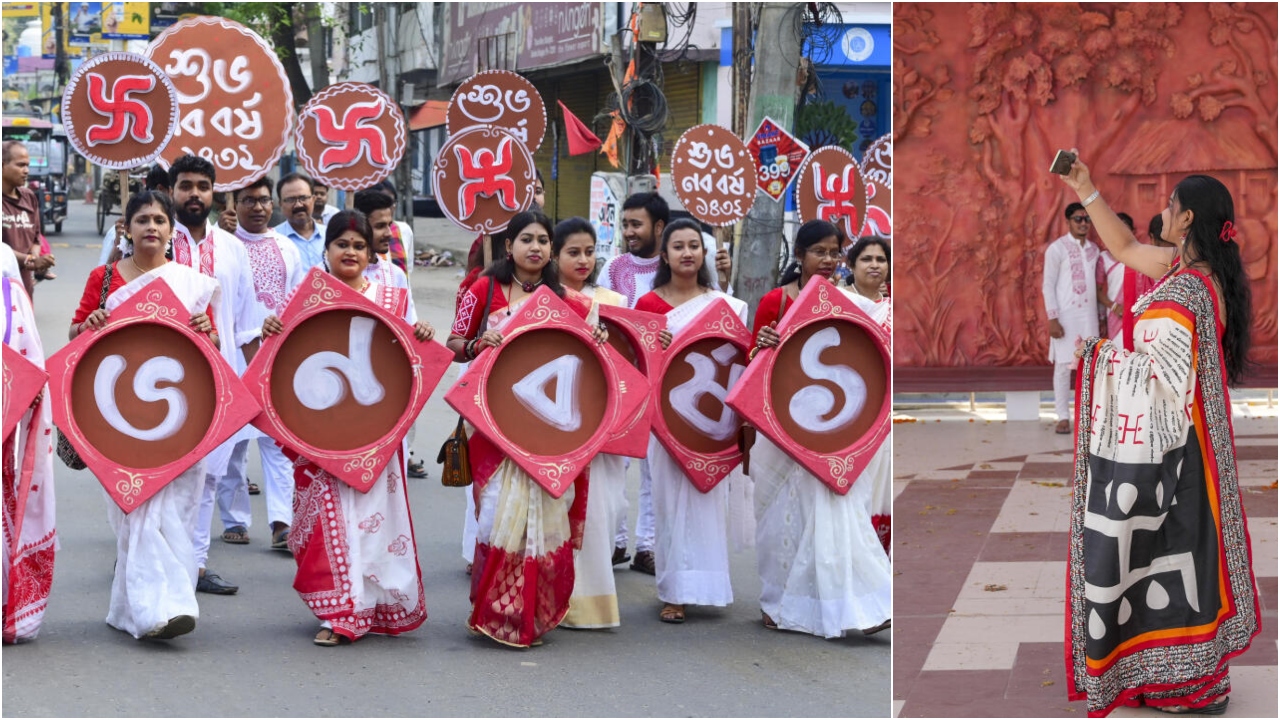
Kolkata is preparing to celebrate Poila Boishakh with customary enthusiasm despite an ongoing cooking gas supply disruption, highlighting the city’s ability to adapt essential cultural practices in the face of urban service constraints.
The situation has brought attention to the resilience of informal networks and local businesses that sustain festive economies, even when critical infrastructure such as LPG distribution faces stress.The LPG shortage, which has affected households and small food establishments across parts of the city, has forced residents and vendors to seek alternative arrangements.From advance stocking to temporary fuel substitutions, many have adjusted their routines to ensure that traditional festive meals and gatherings continue uninterrupted.For neighbourhood eateries and street vendors, Poila Boishakh represents a significant economic opportunity, making continuity of operations crucial despite logistical challenges.Urban analysts point out that such disruptions reveal underlying vulnerabilities in supply chains that support daily urban life. LPG remains a primary cooking fuel for a large segment of Kolkata’s population, and any interruption can quickly escalate into a broader civic issue. The festival period, marked by increased consumption and commercial activity, tends to amplify these pressures, underscoring the importance of resilient and diversified energy systems.At the same time, the response from citizens and businesses reflects a broader pattern of adaptive urban behaviour.
Local markets have reported shifts in demand towards ready-to-eat foods and alternative cooking solutions, while community-level coordination has helped mitigate shortages in some areas.These adjustments demonstrate how cities often rely on decentralised, informal mechanisms to maintain continuity during service disruptions.Experts suggest that the episode offers lessons for urban planning, particularly in strengthening last-mile distribution and ensuring redundancy in essential services.Integrating cleaner and more reliable energy alternatives, improving storage infrastructure, and enhancing coordination between suppliers and local authorities are seen as key steps to prevent similar disruptions in the future. Such measures would not only support daily life but also protect economic activity tied to cultural events.The persistence of Poila Boishakh celebrations despite the LPG shortage also underscores the socio-economic importance of festivals in urban contexts. Beyond cultural significance, these occasions drive local commerce, support small enterprises, and reinforce community bonds. Ensuring that cities can sustain such activities even during periods of stress is central to building inclusive and resilient urban environments.
As Kolkata navigates the immediate challenges of the LPG shortage, attention is likely to turn towards long-term solutions that balance infrastructure reliability with sustainability goals. Strengthening urban energy systems will be essential to ensuring that both everyday life and cultural traditions can thrive without disruption in the years ahead.
Also Read:Kolkata Medical Ethics Row Raises Healthcare Concerns
