


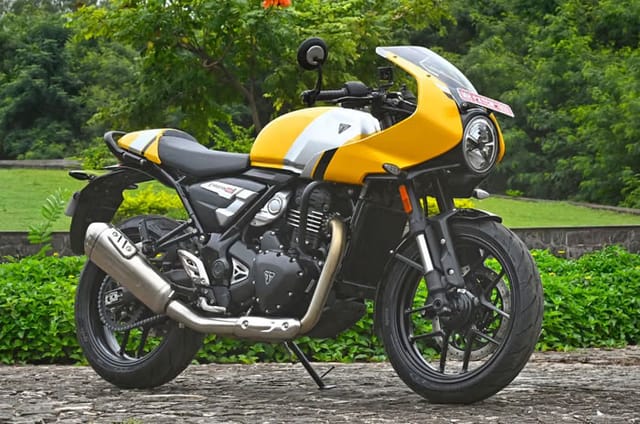
Kolkata’s two-wheeler market is poised for accelerated growth as global motorcycle manufacturers sharpen their focus on the sub-400cc segment, targeting significant sales volumes over the next year.
The push reflects a broader shift in urban mobility patterns, where affordability, fuel efficiency, and ease of navigation are driving consumer preferences in congested cities.Industry executives indicate that the sub-400cc category is emerging as a key battleground, particularly in markets like Kolkata where road density, rising fuel costs, and evolving commuter needs favour lighter, more efficient vehicles. The segment’s appeal spans young professionals, first-time buyers, and daily commuters seeking practical mobility solutions.The company’s ambition to scale up sales volumes in this category underscores growing confidence in India’s mid-capacity motorcycle segment. Analysts note that the expansion is supported by improved financing options, wider dealership networks, and increasing brand visibility across tier-one and tier-two cities.From an urban planning perspective, the rise of compact motorcycles is closely tied to the realities of city infrastructure. Narrow roads, frequent congestion, and limited parking availability make smaller vehicles more viable than larger cars.
In this context, the growth of the sub 400 cc bikes segment reflects a pragmatic adaptation to urban constraints rather than merely a lifestyle choice.However, the surge in two-wheeler adoption also presents challenges. Increased vehicle density can exacerbate traffic congestion, road safety risks, and air pollution if not managed through effective policy interventions. Experts emphasise the need for integrated mobility planning that balances private vehicle use with investments in public transport, non-motorised mobility, and cleaner technologies.Sustainability considerations are becoming increasingly relevant in this segment. Manufacturers are expected to incorporate more fuel-efficient engines and explore alternative propulsion technologies, including electric variants, to align with evolving emission norms and climate goals.The transition towards greener mobility solutions will be critical in cities like Kolkata, where air quality and environmental resilience are growing concerns.The economic implications are equally significant. Expansion in the sub 400 cc bikes market can stimulate local supply chains, dealership ecosystems, and employment in sales and servicing. As consumer demand rises, ancillary industries—from financing to maintenance—stand to benefit, contributing to the city’s broader economic activity.
Looking ahead, the trajectory of Kolkata’s two-wheeler market will depend on how effectively stakeholders address infrastructure limitations while supporting sustainable mobility solutions. The current momentum in the compact motorcycle segment highlights both an opportunity for growth and a need for balanced urban transport strategies that prioritise efficiency, safety, and environmental responsibility.
Also Read:Kolkata New Town Tech Hub Land Deal Expands
