


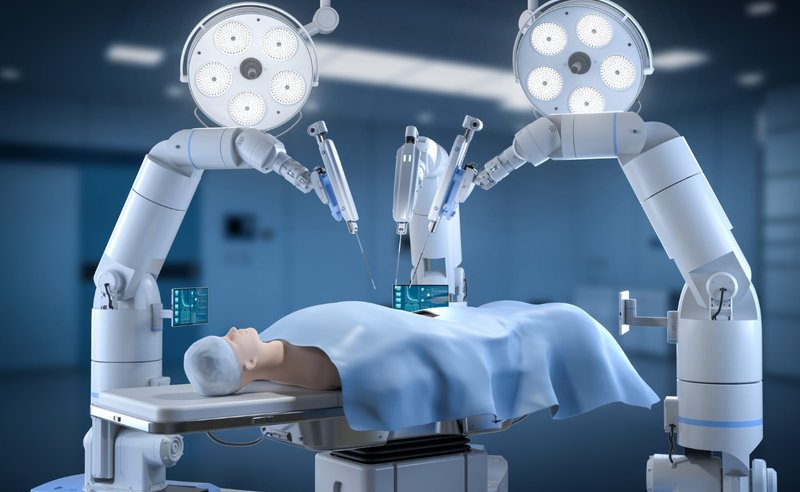
Chennai’s healthcare ecosystem is entering a new phase of technological advancement, with a complex robotic surgery performed through collaboration between on-site and remote medical teams located over 1,500 kilometres apart.
The procedure signals a significant shift in how specialised care can be delivered across distances.The surgery, conducted at a leading city hospital, leveraged advanced robotic systems to enable precision-led intervention while allowing a second team of surgeons to assist remotely. This development is central to the Chennai robotic surgery advancement, highlighting how digital health technologies are transforming clinical practices and expanding access to expertise.Medical experts note that robotic-assisted surgery offers enhanced accuracy, minimal invasiveness, and improved patient outcomes.The integration of remote collaboration adds another layer of capability, enabling specialists to contribute without being physically present. The Chennai robotic surgery advancement demonstrates the potential of telemedicine combined with robotics to bridge geographic gaps in healthcare delivery.From an urban healthcare perspective, such innovations can significantly improve access to specialised treatment. Patients in cities like Chennai can benefit from expertise located in other parts of the country, reducing the need for long-distance travel and associated costs.There are also implications for healthcare infrastructure planning.Hospitals equipped with advanced digital and robotic systems can function as hubs for high-end medical services, attracting patients from across regions.This can strengthen Chennai’s position as a major healthcare destination.The economic impact is notable.
Investment in medical technology drives growth in healthcare services, creates high-skilled employment, and supports allied sectors such as medical equipment and digital infrastructure. As demand for advanced treatments rises, the healthcare sector becomes an increasingly important component of urban economies.However, experts caution that widespread adoption of such technologies requires addressing several challenges. High costs of equipment, the need for specialised training, and robust digital connectivity are critical factors that influence scalability.There is also a regulatory dimension. Ensuring patient safety, data security, and standardised protocols is essential when procedures involve remote participation. Clear guidelines and oversight mechanisms will be necessary as such practices become more common.From a sustainability standpoint, reducing the need for patient and doctor travel can lower the carbon footprint associated with healthcare delivery. Digital interventions, when integrated effectively, can contribute to more efficient and environmentally responsible systems.Urban planners and health policy experts emphasise the importance of integrating technology into broader healthcare strategies.Investments in digital infrastructure, training programmes, and public-private partnerships can help extend the benefits of advanced medical care to a wider population.The success of this procedure underscores the growing role of innovation in shaping the future of healthcare.
As the Chennai robotic surgery advancement continues, it is likely to influence how hospitals design services and collaborate across regions.Looking ahead, the convergence of robotics, telemedicine, and data-driven healthcare could redefine patient care models, making specialised treatment more accessible, efficient, and inclusive—positioning Chennai at the forefront of next-generation medical innovation.
Also Read:Chennai Free Eye Camp Expands Access To Vision Care
