


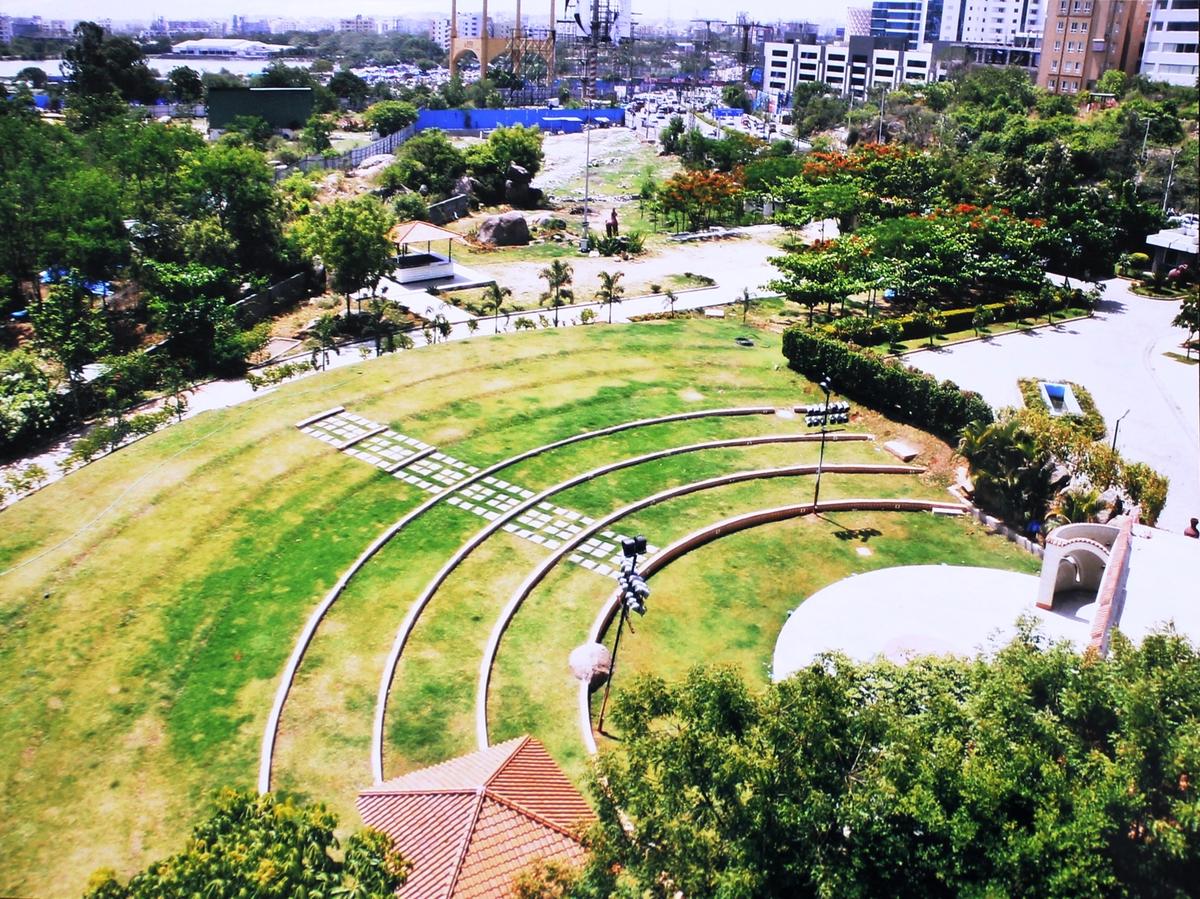
Plans to develop an open-air amphitheatre within Mahatma Gandhi Park are being welcomed by the city’s arts community, as Bengaluru looks to strengthen its cultural infrastructure through more inclusive and accessible public spaces.
The proposal, which aims to integrate performance spaces within an existing urban park, reflects a growing emphasis on multi-functional public environments. At the centre of the discussion is the Bengaluru amphitheatre plan, which seeks to create a dedicated venue for music, theatre, and community events within a green setting.Urban designers note that such initiatives represent a shift in how cities approach public space development. Rather than viewing parks solely as recreational zones, planners are increasingly incorporating cultural and social functions to enhance engagement and utilisation. The Bengaluru amphitheatre plan aligns with this approach, offering a platform for local artists while activating underused urban areas.For Bengaluru’s creative community, access to affordable and open venues has long been a challenge. Formal performance spaces are often limited or commercially oriented, restricting opportunities for emerging artists.An amphitheatre within a public park could provide a more democratic space, enabling wider participation and audience reach.The initiative also has broader urban implications.Integrating cultural infrastructure into neighbourhood parks can improve the vibrancy of local communities, encouraging social interaction and fostering a sense of place. Well-designed public spaces contribute to mental well-being, community cohesion, and overall quality of life.
From an economic perspective, cultural infrastructure can support the creative economy by generating employment and attracting visitors. Events hosted in such spaces can stimulate local businesses, including food vendors, artisans, and small enterprises, creating micro-economic activity around public venues.There is also a sustainability angle. Open-air amphitheatres typically require less energy than enclosed auditoriums, making them a more environmentally efficient option for hosting events. When integrated with green landscapes, they can enhance biodiversity and promote eco-friendly urban design.However, experts caution that careful planning is essential to balance cultural use with environmental preservation. Issues such as noise management, crowd control, and maintenance must be addressed to ensure that the park’s ecological and recreational functions are not compromised.Accessibility and inclusivity are also key considerations. Ensuring that the space is welcoming to diverse groups, including women, children, and the elderly, will be critical to its success. Features such as safe pathways, adequate lighting, and universal design elements can enhance usability.Officials indicate that the proposal is part of a broader effort to revitalise public spaces across Bengaluru. If implemented effectively, the project could serve as a model for integrating culture into urban planning.
As cities increasingly recognise the value of cultural infrastructure, the Bengaluru amphitheatre plan highlights the potential of public spaces to serve as hubs of creativity, community, and sustainability—bridging the gap between urban development and cultural expression.
Also Read:Bengaluru Lake Sewage Crisis Worsens In Hebbal Nagavara Valley
