


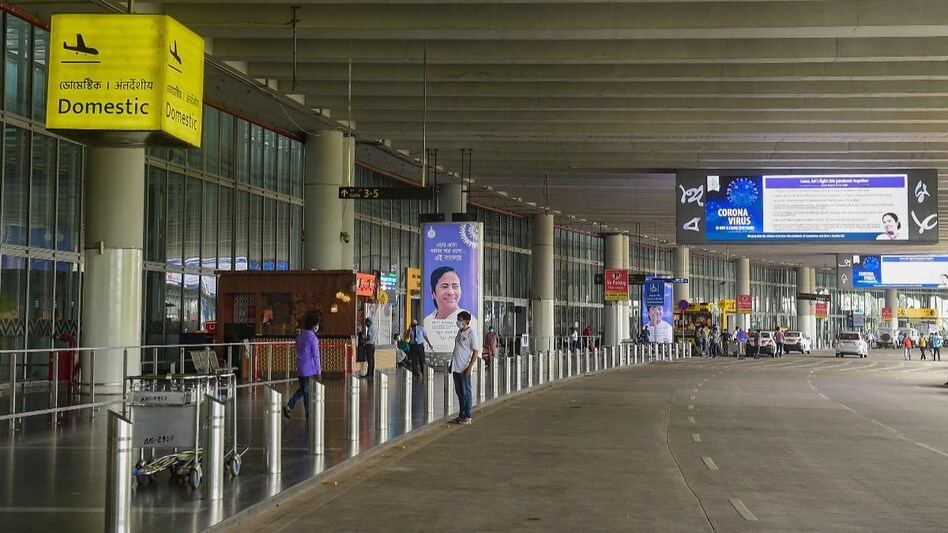
Adverse weather conditions over Kolkata have begun to disrupt flight operations, with airlines warning of delays and schedule adjustments as storm activity intensifies across eastern India.
Carriers including SpiceJet have issued advisories cautioning passengers about possible disruptions at Netaji Subhas Chandra Bose International Airport, as thunderstorms and fluctuating wind patterns affect take-offs and landings. The situation reflects broader challenges in managing aviation reliability during volatile pre-monsoon weather cycles.The emerging pattern, highlighted in the Kolkata flight disruptions scenario, is closely linked to convective weather systems typical of this time of year. Sudden thunderstorms, lightning, and reduced visibility can significantly impact runway operations, forcing airlines to delay or reroute flights to maintain safety standards.Aviation experts note that airports in eastern India are particularly vulnerable during this seasonal transition, where heat build-up during the day leads to rapid cloud formation and evening storms. While such conditions are not uncommon, increasing variability in weather patterns is making disruptions less predictable and more frequent.The Kolkata flight disruptions also have economic implications. Flight delays can cascade across networks, affecting airline schedules, increasing operational costs, and inconveniencing passengers.
For a key metro like Kolkata, which serves as an important gateway for eastern and northeastern India, such disruptions can impact business travel, tourism, and cargo movement.From an infrastructure standpoint, the situation underscores the importance of resilient airport operations. Investments in advanced weather forecasting systems, real-time communication tools, and flexible scheduling frameworks are becoming essential to minimise disruption and maintain efficiency.Urban mobility planners highlight that aviation disruptions often ripple into city transport systems. Delayed arrivals and departures can strain road connectivity to and from airports, particularly during peak hours.This reinforces the need for integrated transport planning that can absorb such fluctuations without significant disruption to passengers.Climate experts also point to a larger trend: increasing intensity and unpredictability of localised weather events due to climate change. Cities like Kolkata, with high humidity and proximity to coastal systems, are likely to see more frequent weather-related interruptions across sectors, including aviation.
For passengers, airlines are advising regular checks on flight status and allowing additional travel time to account for potential delays. As the weather pattern evolves over the coming days, the Kolkata flight disruptions highlight how climate variability is becoming a critical factor in urban infrastructure planning and service delivery.
Also Read:Kolkata Management Education Focuses On Future Skills
