


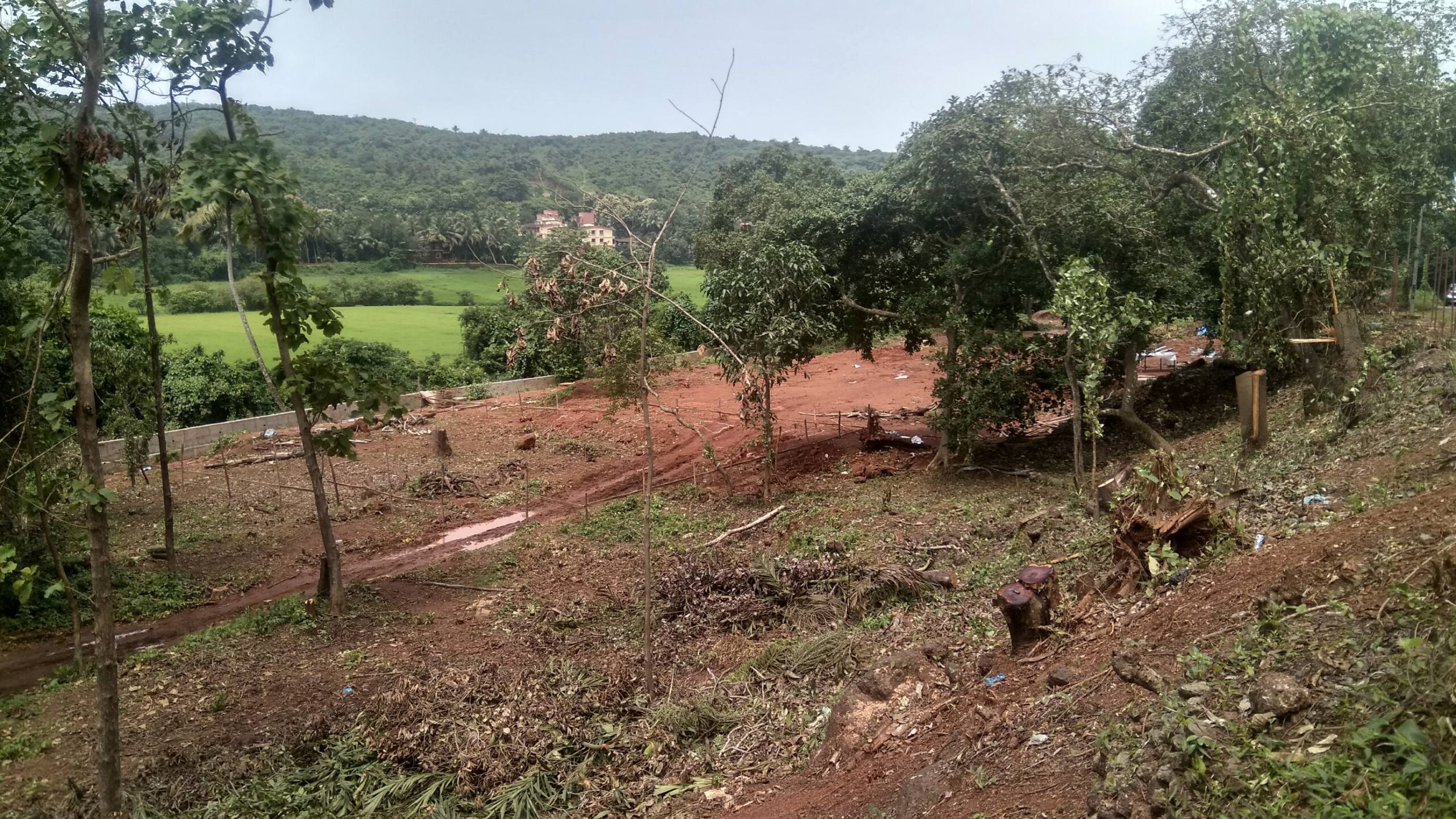
Nagpur’s wider regional administration has moved to facilitate a long-delayed sports infrastructure project in neighbouring Amravati by clearing key financial and land-related hurdles, enabling the transfer of reserved public land for a proposed sports complex. The decision, backed by state-level approval, is expected to revive plans for a large-scale facility that has remained stalled due to administrative and financial complications for several years. The development involves the transfer of a land parcel originally earmarked for recreational use, along with the waiver of accumulated dues and interest that had accrued due to earlier irregular usage and unresolved agreements. By resolving these liabilities, authorities have effectively removed a major bottleneck that had prevented the project from progressing beyond the planning stage.
From a regional planning perspective, the Nagpur-led regional sports infrastructure push reflects an approach that extends beyond city boundaries to strengthen the broader Vidarbha belt. As Nagpur continues to function as a central hub for governance and coordination, such interventions play a role in balancing infrastructure distribution across adjacent urban centres like Amravati, which serve as important nodes for education, employment, and community activity. Urban development experts note that access to quality sports infrastructure remains uneven across secondary cities. Facilities of this scale can support grassroots talent development, provide structured spaces for youth engagement, and encourage healthier lifestyles. In regions where public recreational spaces are limited or fragmented, consolidated sports complexes can serve as multi-purpose civic assets. The Nagpur-led regional sports infrastructure push also highlights the financial constraints faced by municipal bodies in executing capital-intensive projects independently. Amravati Municipal Corporation has been operating under fiscal stress, with outstanding liabilities affecting its ability to undertake new developments. State-level intervention, therefore, becomes a critical enabler in unlocking such projects, particularly where land ownership and legacy issues are involved. From a governance standpoint, resolving land reservation status and aligning development plans with intended public use ensures legal clarity and prevents future disputes. Such procedural alignment is essential in Indian urban contexts, where overlapping claims and historical agreements often complicate infrastructure delivery. There are also broader socio-economic implications. Once developed, the sports complex could support regional tournaments, training academies, and community events, potentially generating local employment opportunities and stimulating small-scale economic activity in surrounding areas. Improved recreational infrastructure can also enhance the livability index of the city, making it more attractive for residents and institutions.
However, experts caution that land allocation is only the initial step. The success of the project will depend on timely execution, transparent contracting, and long-term maintenance planning. Integrating accessibility features, climate-responsive design, and inclusive facilities will be key to ensuring that the complex serves a wide demographic, including women, children, and differently-abled users. The Nagpur-led regional sports infrastructure push underscores how coordinated administrative action can help unlock stalled urban projects and redistribute infrastructure benefits across a region. As the project moves forward, its implementation will be closely watched as a test case for regional cooperation, urban planning efficiency, and sustainable civic development in central India.
ALSO READ – Nagpur Gets Vidarbha First Gen Z Post Office
Nagpur Region Clears Land For Amravati Sports Hub
