


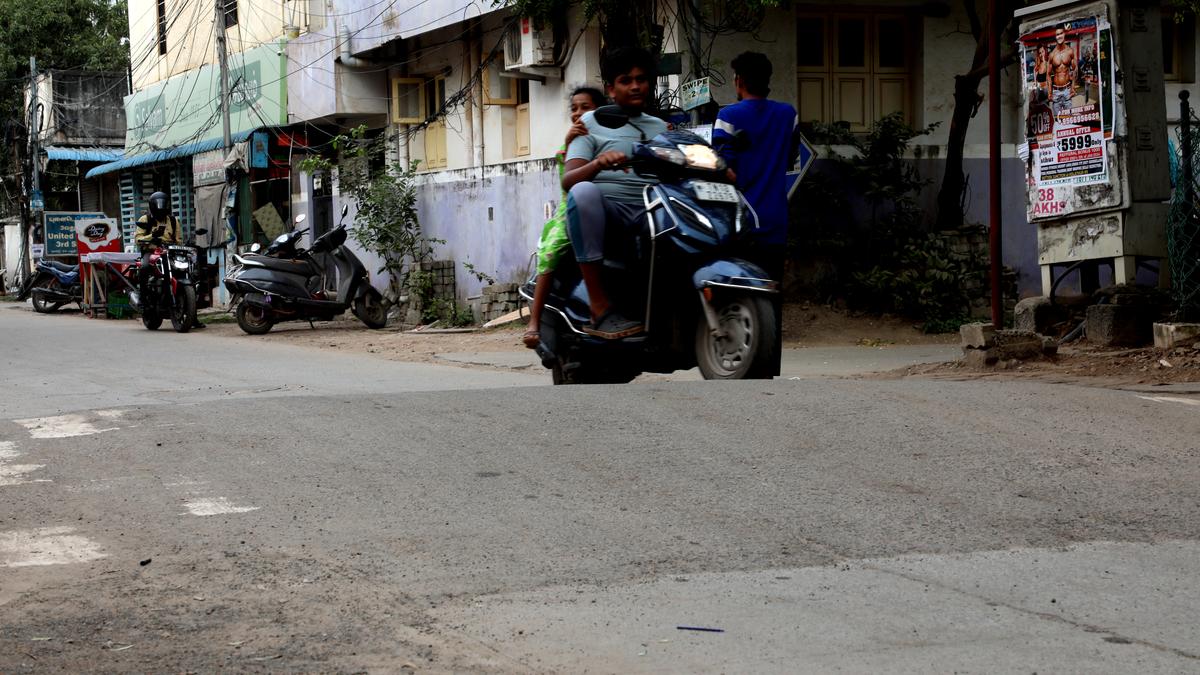
Concerns over road safety have surfaced in a Chennai neighbourhood after residents flagged a newly installed speed breaker as hazardous, raising questions about the design and implementation of traffic calming infrastructure.
The issue highlights broader challenges in ensuring that safety measures do not inadvertently create new risks in rapidly urbanising areas.The Chennai speed breaker safety concern has emerged from a residential-industrial stretch in Ambattur, where locals report that the structure’s height and visibility make it difficult for motorists to navigate safely. Poor signage and inadequate road markings have further compounded the risk, particularly during night-time or low-visibility conditions.Urban transport experts note that the Chennai speed breaker safety concern reflects a recurring issue in city road design, where infrastructure interventions are often implemented without standardisation or adequate assessment. Speed breakers, while intended to slow traffic and reduce accidents, can become hazards if not designed in line with prescribed guidelines.From a mobility perspective, improperly constructed traffic calming measures can disrupt vehicle flow and increase the likelihood of sudden braking, leading to collisions. Two-wheeler riders and public transport vehicles are particularly vulnerable, given their exposure and frequent use of such roads.The Chennai speed breaker safety concern also underscores the importance of integrating road engineering with user behaviour and traffic patterns. Effective design requires careful consideration of road width, traffic density and vehicle types, along with proper placement and visibility.Infrastructure governance is a key factor in addressing such issues.
Experts emphasise the need for clear accountability and adherence to design standards in the construction of road safety features. Regular audits and feedback mechanisms can help identify and rectify problematic installations.There are economic implications as well.Accidents or vehicle damage caused by poorly designed infrastructure can lead to financial losses for individuals and increased burden on healthcare and repair services.Ensuring safe and reliable road conditions is therefore essential for both public welfare and economic efficiency.The Chennai speed breaker safety concern also ties into broader urban planning challenges. As cities expand, balancing the need for traffic regulation with smooth mobility becomes increasingly complex. Inconsistent infrastructure can undermine efforts to create safe and efficient transport systems.Environmental considerations are relevant too.Frequent braking and acceleration due to poorly designed speed breakers can increase fuel consumption and emissions, affecting air quality in dense urban areas.Residents and urban planners alike are calling for a more systematic approach to road safety infrastructure. This includes adopting standardised designs, improving visibility through signage and markings, and incorporating community feedback into planning processes.Looking ahead, addressing the Chennai speed breaker safety concern will require coordinated action between civic authorities, traffic planners and local communities. Ensuring that safety interventions are both effective and user-friendly will be critical to improving urban mobility and reducing accident risks.
As Chennai continues to invest in road infrastructure, prioritising design quality and compliance with safety standards will be essential. Building safer streets is not just about adding features, but ensuring that they function as intended within the broader urban mobility framework.
Also Read:Chennai Inflationary Pressure Rises Amid Industrial Cost Volatility
