


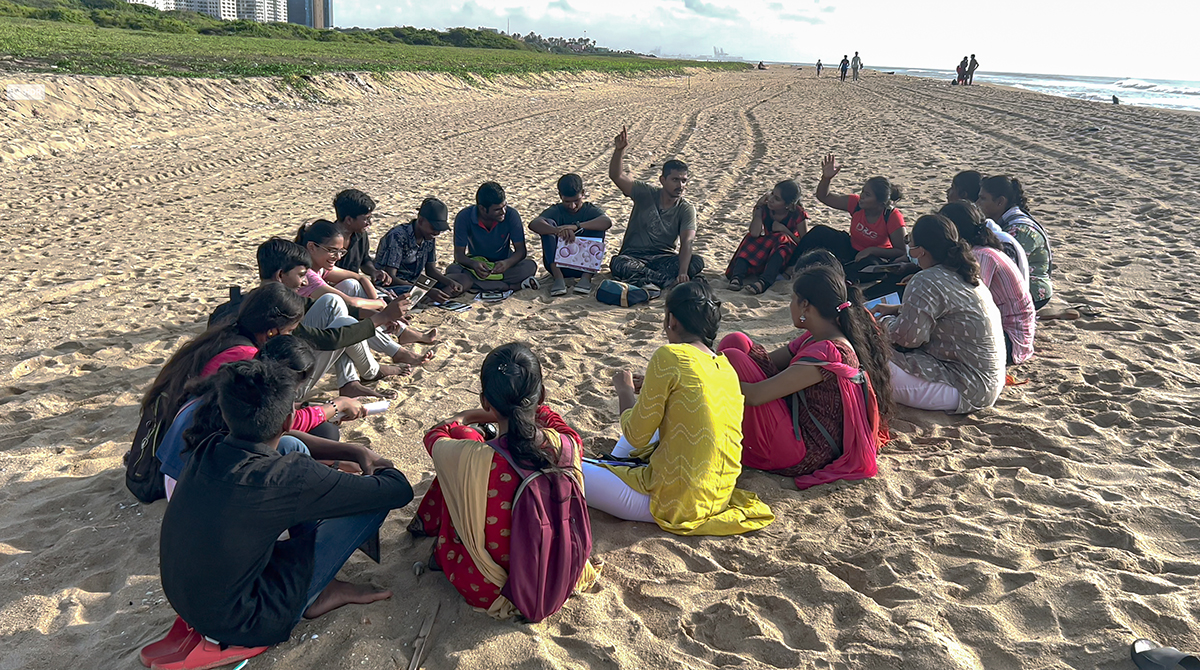
A leading research institution in Chennai has introduced a policy mandating outdoor physical activity for its research scholars, signalling a shift towards integrating wellbeing into academic environments.
The move reflects growing recognition of the link between physical health, mental resilience and academic productivity in high-pressure research settings.The initiative requires scholars to participate in outdoor games or physical exercise as part of their routine, aiming to address sedentary lifestyles commonly associated with intensive academic work. The Chennai research scholars outdoor activity policy highlights how institutions are rethinking campus life to support holistic development beyond traditional academic metrics.Education experts note that research scholars often face extended periods of desk-based work, which can impact both physical and mental health.By embedding structured physical activity into institutional frameworks, universities can foster healthier work habits, potentially improving focus, creativity and overall research output.From an urban development perspective, such policies underscore the importance of accessible open spaces within educational campuses. As cities like Chennai become more densely built, ensuring the availability of green and recreational areas is critical for supporting community wellbeing. The Chennai research scholars outdoor activity initiative demonstrates how campus planning can align with broader goals of creating healthier urban environments.There are also implications for infrastructure within academic institutions.
Facilities such as sports grounds, walking tracks and open recreational areas need to be adequately maintained and accessible to support such programmes. Experts suggest that investing in these amenities can enhance campus appeal and contribute to student retention and satisfaction.The policy reflects a broader trend in higher education, where institutions are placing greater emphasis on mental health and work-life balance. In competitive academic ecosystems, addressing stress and burnout has become a priority, with universities exploring various interventions to support students and researchers.Economic and social considerations also come into play.Healthier academic communities can contribute to more sustained productivity and innovation, which in turn supports knowledge-driven urban economies. For Chennai, a city with a strong presence in education and research, such initiatives can reinforce its position as a hub for talent and innovation.However, experts caution that implementation must remain flexible and inclusive. Not all scholars may have the same physical capabilities or preferences, and policies should accommodate diverse needs to ensure equitable participation.As academic institutions continue to evolve, the integration of wellbeing into education systems is likely to gain momentum. The Chennai research scholars outdoor activity policy highlights a shift towards more balanced academic environments, where physical health is recognised as a key component of intellectual and professional development.
Looking ahead, the success of such initiatives will depend on sustained engagement and the ability to create supportive ecosystems that encourage participation. For urban campuses, this approach offers a model for combining academic excellence with wellbeing, contributing to more resilient and inclusive educational environments.
Also Read:Chennai Manufacturing Facility Supports Automotive Industry Growth
