


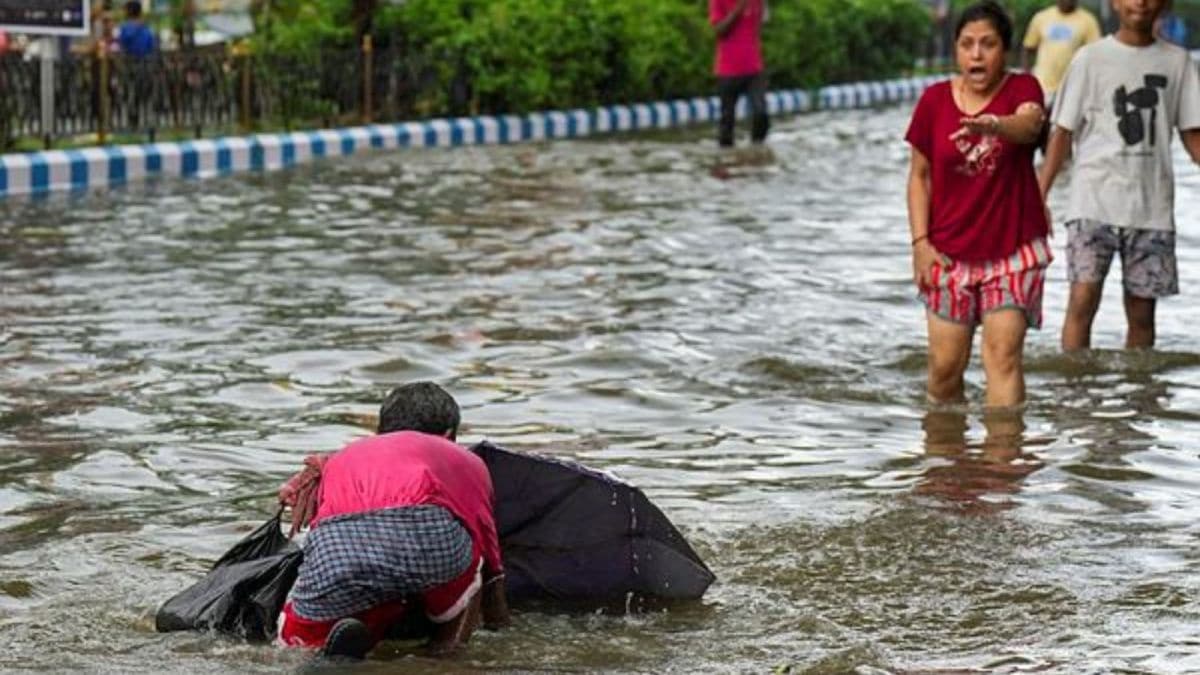
Kolkata is expected to remain largely dry even as surrounding districts brace for thunderstorms, highlighting increasingly uneven weather patterns across eastern India’s urban and peri-urban regions.
The divergence in rainfall activity reflects broader shifts in localised climate behaviour, with implications for urban planning, water management and infrastructure resilience.Meteorological projections indicate that while nearby districts may experience gusty winds and rain, Kolkata itself could see limited precipitation during the same period.Such spatial variability is becoming more common, as changing climate dynamics influence how weather systems interact with dense urban environments. The Kolkata weather outlook therefore underscores the growing complexity of forecasting and managing city-specific climate risks.Urban planners note that inconsistent rainfall patterns pose challenges for water resource management. Cities rely on predictable precipitation cycles to replenish reservoirs and groundwater levels, and prolonged dry spells can strain supply systems. At the same time, intense rainfall in neighbouring regions can increase the risk of runoff and flooding in interconnected catchment areas, requiring coordinated regional planning.The current Kolkata weather outlook also highlights the importance of robust drainage and stormwater infrastructure.
Even if the city remains dry in the short term, sudden shifts in weather can lead to heavy downpours that overwhelm existing systems. Experts emphasise the need for adaptive infrastructure capable of handling both extremes—water scarcity and excess rainfall.From an economic perspective, weather variability can impact multiple sectors, including transport, retail and informal labour markets. Thunderstorms in surrounding districts may disrupt supply chains and commuter movement, indirectly affecting urban centres like Kolkata.Businesses reliant on predictable weather conditions must increasingly account for such uncertainties in their operations.Environmental considerations further complicate the scenario. Irregular rainfall patterns can affect urban green spaces, biodiversity and air quality. Extended dry periods may exacerbate heat stress, while sporadic storms can lead to soil erosion and damage to vegetation. Integrating climate-responsive planning into urban development strategies is therefore becoming essential.There are also implications for public health and safety. Thunderstorms often bring strong winds and lightning, posing risks to infrastructure and communities in affected areas. Even in cities that remain dry, preparedness measures must account for the potential spillover effects of regional weather systems.
As Kolkata continues to expand, managing climate variability will be a key priority for city authorities. The evolving Kolkata weather outlook highlights the need for improved forecasting, resilient infrastructure and coordinated regional strategies. Ensuring that urban systems can adapt to increasingly unpredictable weather patterns will be central to building a sustainable and climate-resilient future.
Also Read:Kolkata Premium Bus Services Expand Urban Mobility Options
