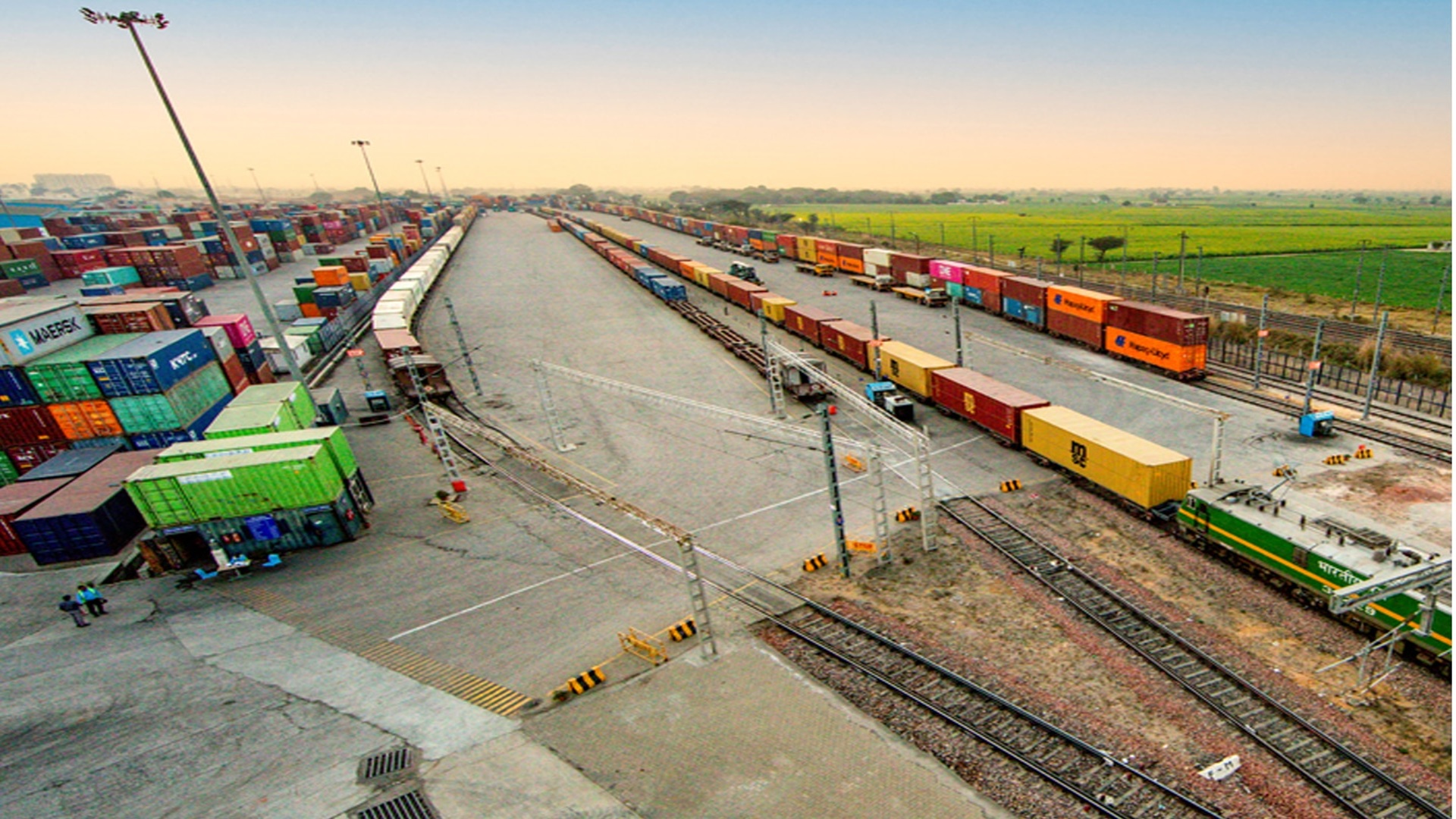
Indore Logistics Infrastructure Expands With ICD Project
Indore’s logistics landscape is set for a significant upgrade as a ₹150 crore inland container depot (ICD) is planned near the city’s industrial belt, signalling a shift toward rail-led freight movement in Central India. The project is expected to strengthen supply chains, reduce logistics costs, and improve export competitiveness for one of Madhya Pradesh’s fastest-growing manufacturing regions.
The proposed facility will be developed on nearly 25 acres near the Pithampur industrial area, a key manufacturing cluster housing automotive, pharmaceutical, and engineering units. Designed with an annual handling capacity of around 120,000 TEUs, the ICD will function as a “dry port,” enabling container handling, storage, and customs clearance closer to production centres. Urban infrastructure analysts note that such logistics hubs play a crucial role in decentralising freight systems, especially in landlocked regions. By shifting cargo movement from road to rail, the Indore ICD could reduce congestion on highways while lowering emissions linked to long-haul trucking—an important step toward building more sustainable and efficient urban-industrial ecosystems.The project has already secured in-principle approval from Indian Railways and will include dedicated rail sidings integrated with warehousing and last-mile distribution services. This multimodal approach is expected to streamline cargo flows between Central India and major ports, offering manufacturers more predictable transit timelines.
For industries in Indore and surrounding districts such as Dewas, Dhar, and Ujjain, the facility could address long-standing logistical inefficiencies. At present, exporters often depend on distant port-linked infrastructure, increasing turnaround times and costs. A local ICD can act as a consolidation point, reducing dependency on road transport and enabling faster container evacuation.The development also aligns with broader national efforts to promote rail-based freight and integrated logistics networks. Infrastructure planners suggest that projects like this can help improve freight modal share for rail, which remains underutilised despite being more energy-efficient than road transport.Importantly, the ICD’s location near Pithampur positions it within a dense industrial corridor, improving first-mile connectivity for manufacturers. This proximity could enhance competitiveness for sectors such as auto components, textiles, and chemicals, while also supporting emerging supply chains linked to e-commerce and domestic distribution.However, experts caution that logistics infrastructure must be integrated with urban planning to avoid land-use conflicts and unregulated expansion. Ensuring efficient road access, environmental safeguards, and alignment with regional transport plans will be critical to maximising long-term benefits.
As Indore continues to evolve as a manufacturing and logistics hub, the ICD project highlights how infrastructure investments can reshape regional economies. If executed effectively, it could not only improve trade efficiency but also contribute to more sustainable freight movement across Central India.