


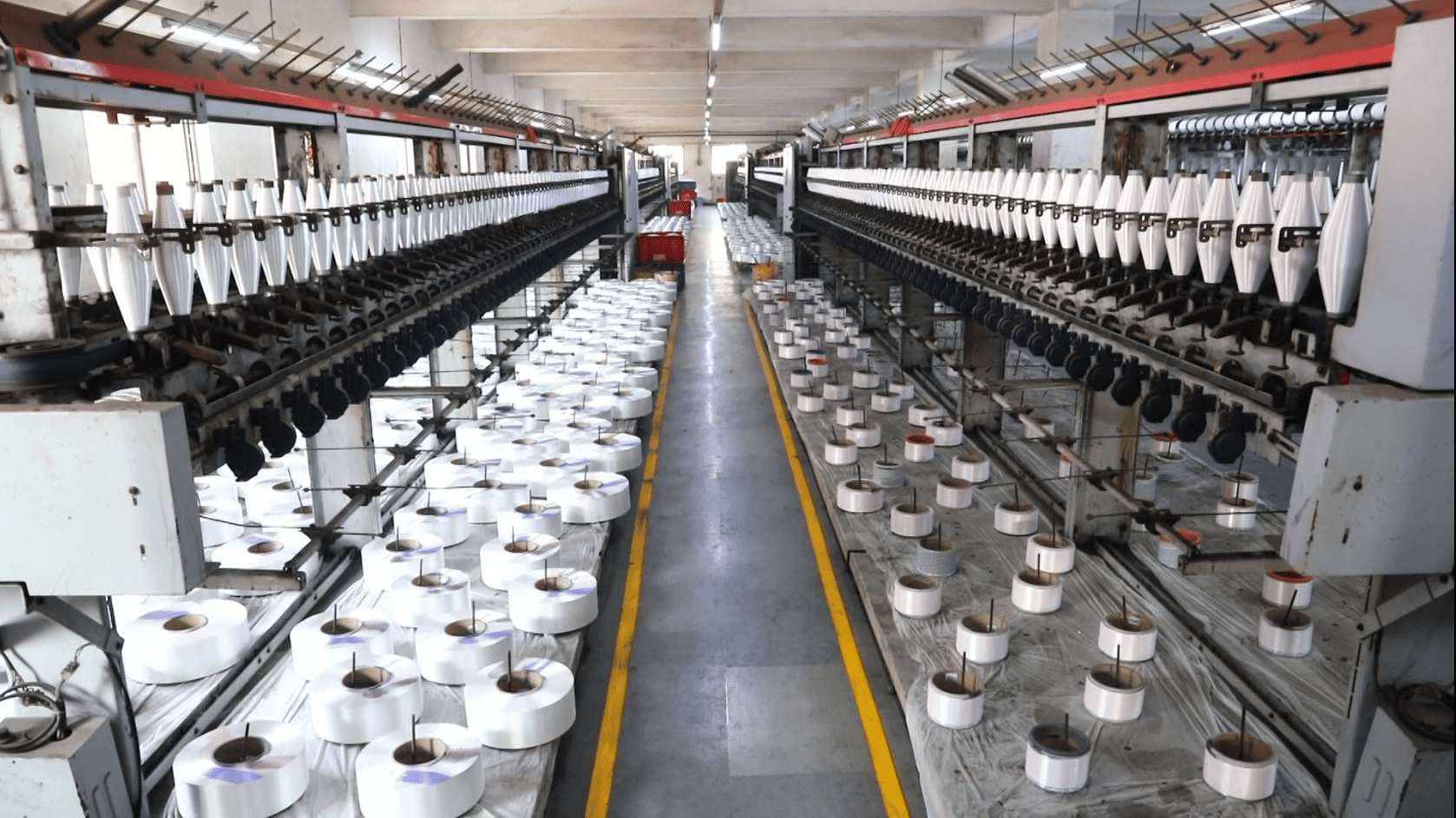
Surat’s textile processing sector is scaling back operations, with units opting for a two-day weekly shutdown to manage rising costs and operational pressures. The move signals a broader slowdown in one of India’s most significant manufacturing clusters, with implications for employment, supply chains, and regional economic activity. The Surat textile shutdown decision has been driven by a combination of factors, including higher input costs, fluctuating demand, and disruptions in energy supply. Industry representatives indicate that reducing operational days is a temporary strategy to balance production with market conditions and prevent inventory buildup.
Urban economists note that Surat’s textile ecosystem operates on high-volume, continuous production cycles, making it particularly sensitive to cost pressures. The Surat textile shutdown reflects an attempt by manufacturers to stabilise margins while navigating uncertainties in both domestic and export markets. Labour dynamics are also central to the slowdown. Recent disruptions in essential services, particularly cooking fuel supply, have affected worker availability, leading to reduced manpower in several units. This has compounded operational challenges, as textile processing requires consistent labour input to maintain efficiency. The implications extend beyond factory floors. Reduced production can affect the entire value chain, including traders, exporters, transport providers, and ancillary service industries. For a city where textiles are a key economic driver, the Surat textile shutdown could have ripple effects across multiple sectors. From an urban planning perspective, the situation highlights the interconnected nature of infrastructure, labour, and industry. Industrial clusters depend not only on physical infrastructure but also on reliable access to utilities and stable workforce conditions. Disruptions in any of these elements can quickly impact productivity. The Surat textile shutdown also raises questions about resilience in industrial systems. Over-reliance on specific energy sources and labour patterns can create vulnerabilities during periods of disruption. Experts suggest that diversifying energy inputs, improving worker housing and services, and adopting more flexible production models can enhance long-term stability. Environmental considerations are also relevant. While reduced production may temporarily lower energy consumption, long-term sustainability will depend on adopting cleaner technologies and improving resource efficiency within the textile sector. From a governance standpoint, coordinated action will be essential to address the underlying challenges. Ensuring stable energy supply, supporting workforce retention, and facilitating market access are key areas where policy intervention can help stabilise the sector.
Looking ahead, industry stakeholders expect operations to normalise once supply conditions improve and demand stabilises. However, the current slowdown serves as a reminder of the structural challenges facing urban industrial clusters. As Surat continues to evolve as a manufacturing hub, building resilient systems that can withstand economic and infrastructural shocks will be critical to sustaining growth and competitiveness.
ALSO READ – Surat LPG Shortage Triggers Worker Exodus In Textile Hub
Surat Textile Units Cut Operations Amid Rising Pressures
