


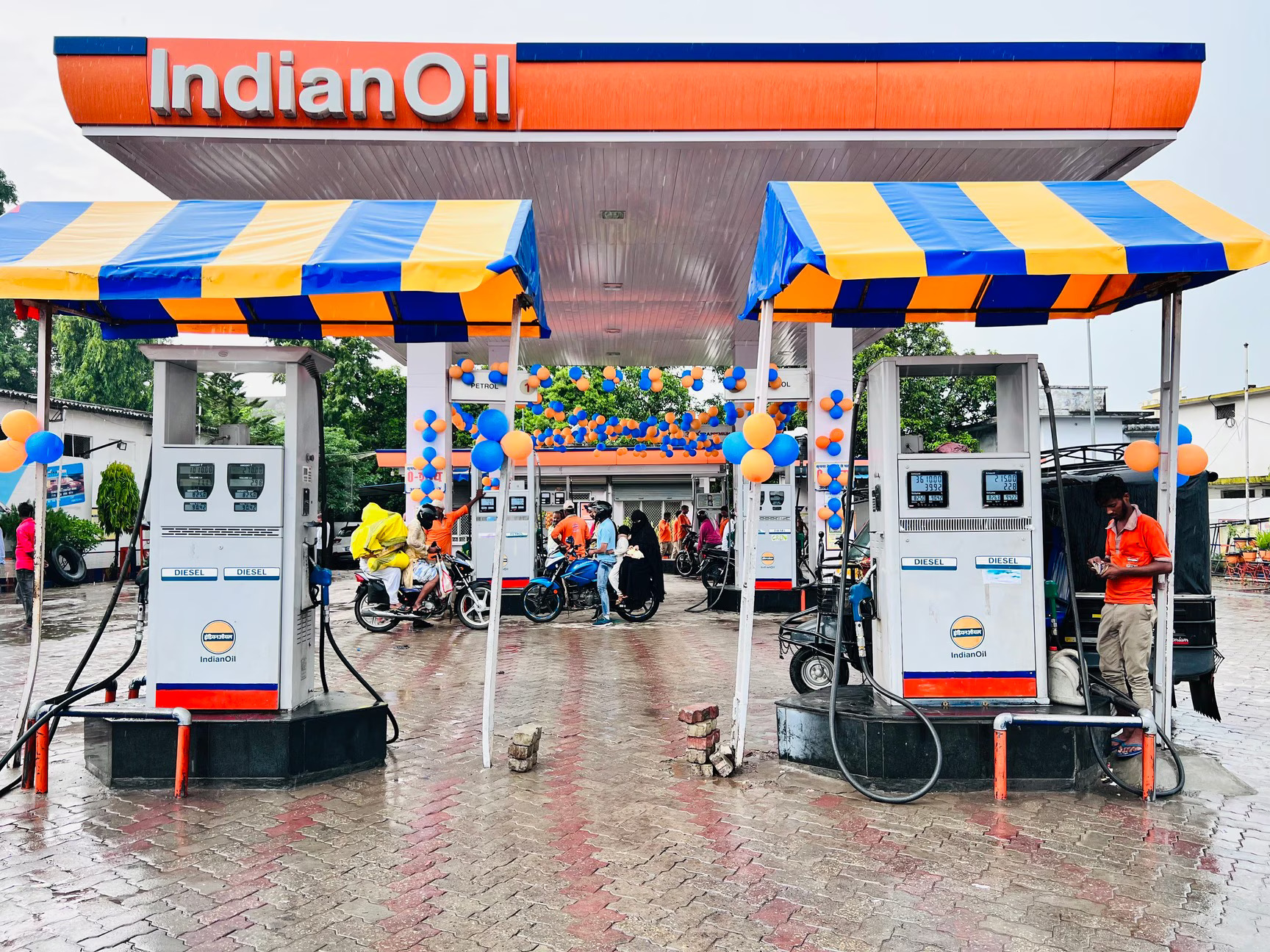
Nagpur’s fuel retail network is facing operational strain after oil marketing companies tightened credit supply to petrol pump operators, creating liquidity challenges across the city. The development is beginning to affect how fuel outlets manage inventory and cash flow, with implications for urban mobility and service reliability. The Nagpur fuel credit crisis has emerged as dealers report reduced access to credit lines that typically allow them to procure fuel without immediate full payment. Industry sources indicate that stricter payment conditions are being enforced to improve financial discipline within the supply chain, but the shift has placed pressure on smaller operators with limited working capital.
Urban economists note that fuel distribution systems rely heavily on credit mechanisms to ensure smooth and continuous supply. When these arrangements are disrupted, even temporarily, the effects can ripple across retail operations. The Nagpur fuel credit crisis highlights the delicate balance between financial risk management and service continuity in essential urban infrastructure. For petrol pump operators, tighter credit conditions mean greater dependence on immediate cash availability. This can limit their ability to maintain optimal stock levels, particularly during periods of high demand. In some cases, it may also lead to selective rationing or temporary service disruptions, affecting consumers and transport networks. The issue comes at a time when demand patterns are already volatile, influenced by external factors such as regional supply concerns and price fluctuations. Experts suggest that the Nagpur fuel credit crisis could compound these challenges, especially if operators struggle to adjust quickly to new financial requirements. There are broader implications for urban mobility. Reliable fuel access is critical for private vehicles, public transport fleets, and logistics operations. Any disruption at the retail level can affect commuting patterns, delivery schedules, and overall economic activity in the city From a governance perspective, the situation underscores the need for coordination between oil companies, financial institutions, and local authorities. Ensuring that smaller dealers have access to viable financing options could help stabilise operations without compromising financial discipline. The crisis also highlights the importance of diversifying urban energy systems. As cities like Nagpur continue to grow, reducing reliance on fossil fuel distribution through investments in electric mobility and public transport can enhance resilience and reduce exposure to supply and credit disruptions. Environmental considerations are increasingly relevant in this context. Transitioning to cleaner energy sources not only addresses sustainability goals but also reduces vulnerability to fluctuations in fuel supply chains.
Looking ahead, industry observers expect adjustments in payment mechanisms and dealer financing structures to gradually stabilise the situation. However, the episode serves as a reminder that financial frameworks underpinning essential services are as critical as physical infrastructure. As Nagpur evolves into a larger economic hub, maintaining stable and resilient fuel distribution systems will remain essential for supporting mobility, commerce, and daily urban life.
ALSO READ – Nagpur Special Trains Boost Connectivity To Mumbai Pune
Nagpur Fuel Credit Crisis Disrupts Petrol Pump Operations
