



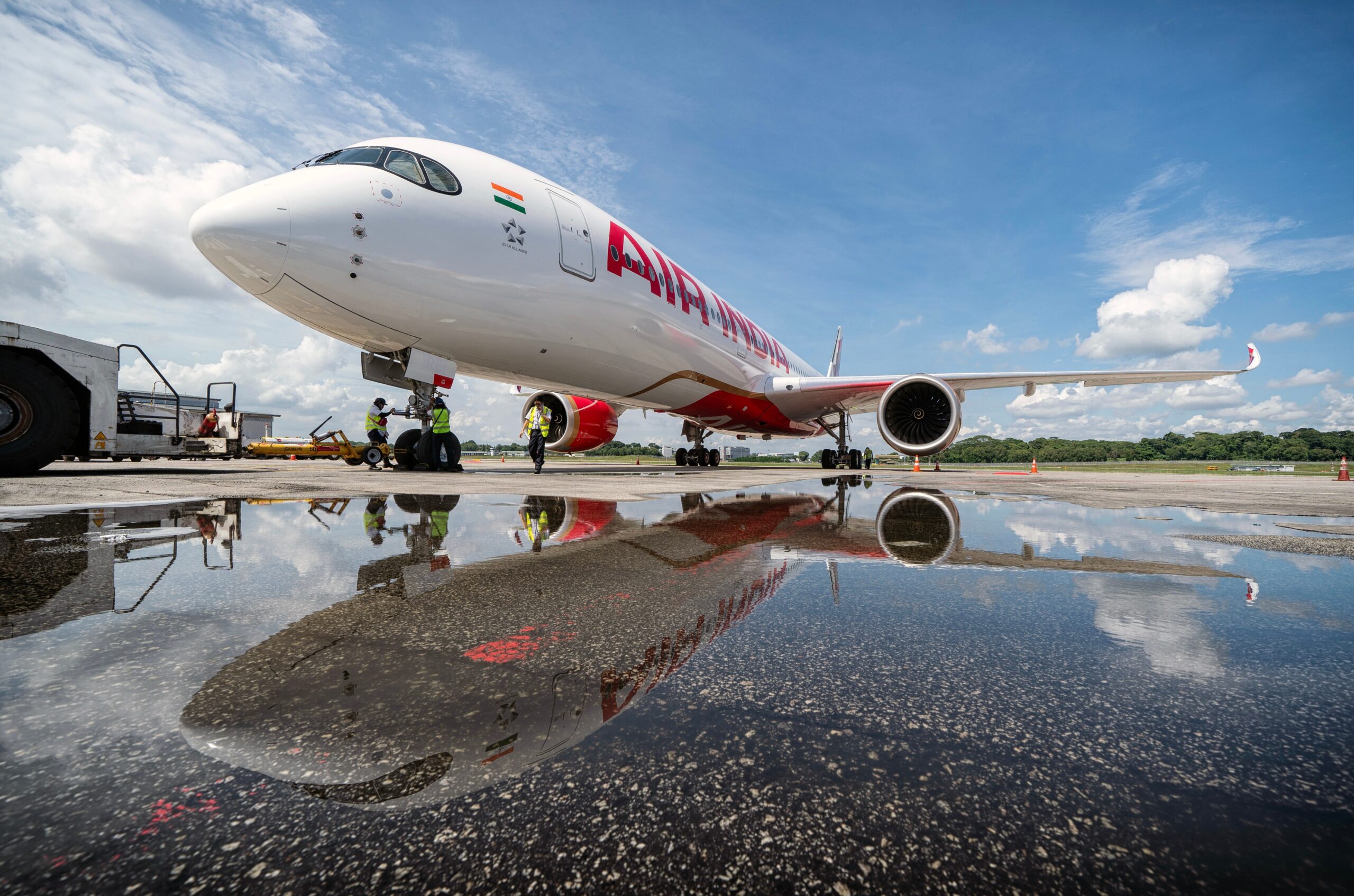
A long-haul international flight operated by Air India from Bengaluru to London was forced to divert mid-journey following a technical issue, bringing renewed attention to operational reliability and passenger safety in India’s expanding aviation sector.
The incident, involving a wide-body aircraft, underscores the complexities of managing long-distance air travel from rapidly growing urban aviation hubs.The diversion occurred after the aircraft experienced a system-related concern during flight, prompting the crew to take precautionary measures and reroute to a closer airport. Aviation experts note that such decisions, while disruptive, are part of standard safety protocols designed to minimise risk to passengers and crew. However, the event has triggered broader discussions around maintenance systems, fleet readiness and the resilience of airline operations.Bengaluru, home to one of India’s busiest airports, has seen a sharp rise in international connectivity in recent years. As cities expand their global links, ensuring consistent operational standards becomes critical. Industry analysts point out that flight disruptions—especially on long-haul routes—can have cascading effects on passenger schedules, airport logistics and airline networks.The incident also highlights the importance of robust maintenance frameworks for modern aircraft such as the Boeing 787 8, which rely on advanced systems and continuous monitoring. While newer aircraft are designed for efficiency and reduced emissions, their complexity requires highly coordinated technical oversight.
Experts suggest that strengthening predictive maintenance and ground support infrastructure can help mitigate such occurrences.From an urban infrastructure perspective, aviation reliability plays a key role in supporting economic activity. Cities like Bengaluru depend on seamless air connectivity to attract investment, facilitate business travel and sustain tourism flows. Disruptions, even when managed safely, can affect passenger confidence and highlight the need for continuous improvements in service delivery.There are also environmental considerations. Diversions and delays can increase fuel consumption and emissions, counteracting efforts to make aviation more sustainable. As India’s aviation sector grows, balancing operational efficiency with climate goals is becoming increasingly important. Investments in newer fleets, efficient routing and improved airport systems are part of this transition.Passenger experience remains another area of focus. Ensuring timely communication, adequate support during disruptions and efficient rebooking processes are essential to maintaining trust. Industry observers note that as competition intensifies, service reliability will be as important as network expansion in shaping airline performance.
While the immediate situation was managed without reported safety compromise, the episode serves as a reminder of the challenges that accompany rapid aviation growth. For cities building their status as global gateways, the focus is shifting towards not just expanding connectivity but ensuring that infrastructure, operations and safety systems keep pace with rising demand.
Also Read:Chennai Metro Hubs Plan Boosts Urban Connectivity
