


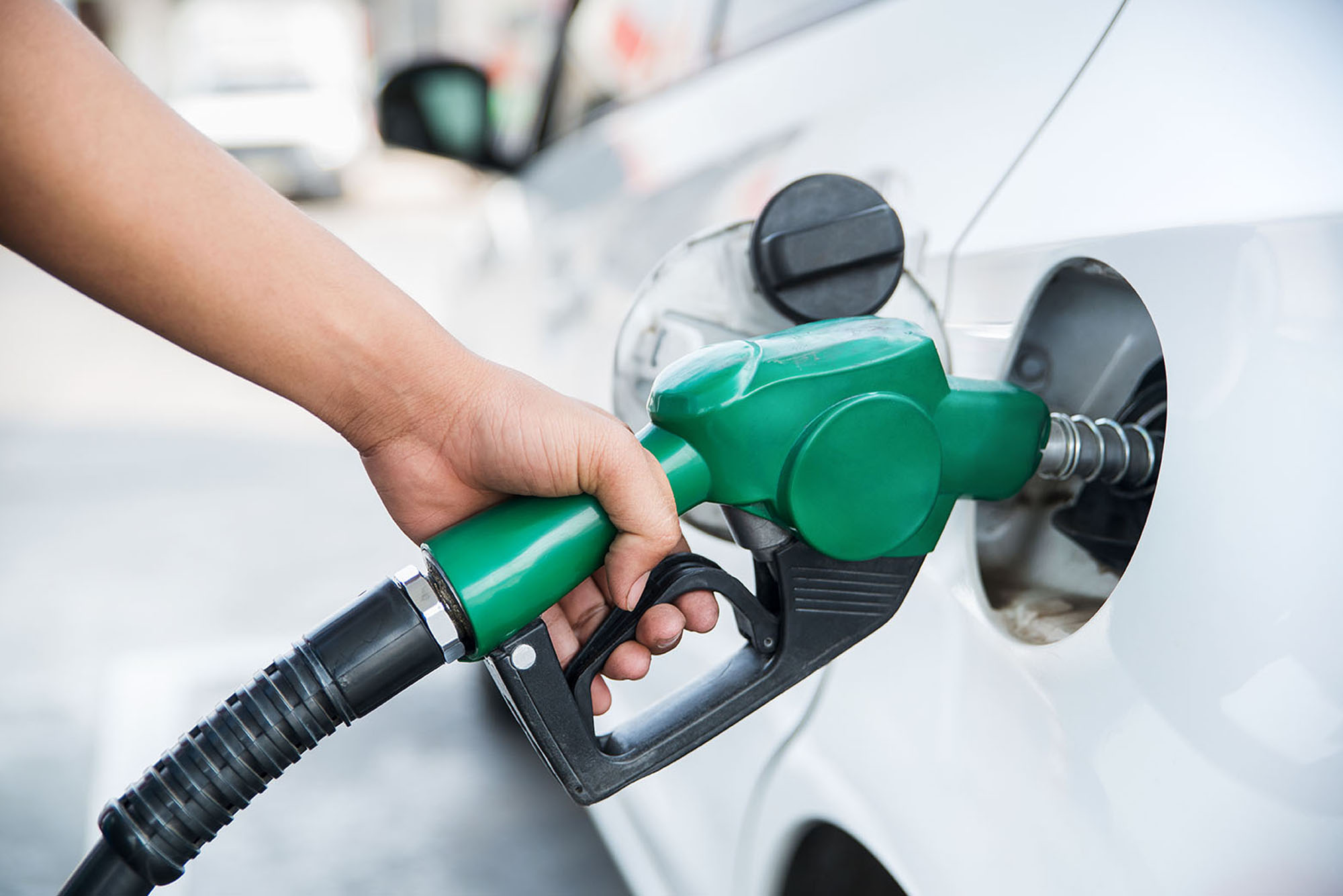
Parts of Gujarat witnessed long queues at fuel stations after temporary supply interruptions led to the closure of several outlets, triggering panic buying among residents. The episode has drawn attention to the vulnerability of urban fuel distribution systems and their critical role in maintaining everyday mobility and economic activity. The Gujarat fuel supply disruption appears to have stemmed from logistical bottlenecks affecting fuel availability at select retail points. As information spread, residents rushed to refuel, intensifying pressure on operational outlets and creating visible congestion in urban areas.
Urban economists note that fuel distribution operates on tightly coordinated supply chains, where even short-term disruptions can have cascading effects. The Gujarat fuel supply disruption highlights how quickly consumer behaviour can shift in response to perceived shortages, often amplifying the impact beyond the initial logistical issue. The consequences extend beyond inconvenience. Fuel availability is closely tied to transport systems, emergency services, and supply chains for essential goods. In cities, any disruption can affect commuting patterns, public transport reliability, and last-mile delivery networks. Experts suggest that the Gujarat fuel supply disruption underscores the need for contingency planning within urban infrastructure systems. From a governance perspective, communication plays a crucial role in managing such situations. Clear and timely updates from authorities can help prevent panic-driven demand surges. Without this, even manageable supply issues can escalate into broader disruptions affecting daily life. The incident also raises questions about resilience in energy distribution. As cities grow, demand for fuel remains high despite gradual shifts towards electrification. Ensuring redundancy in supply chains, diversifying distribution points, and improving storage capacity are seen as essential steps to mitigate similar disruptions in the future. There are environmental considerations as well. Sudden spikes in vehicle movement around fuel stations contribute to congestion and emissions. Over the longer term, experts argue that reducing dependence on fossil fuels through public transport expansion and electric mobility can enhance both sustainability and resilience. The Gujarat fuel supply disruption also highlights the interconnected nature of urban systems. A breakdown in one segment—fuel logistics—can ripple across transport, commerce, and public services. Building integrated urban management frameworks can help cities respond more effectively to such challenges.
Looking ahead, authorities are expected to stabilise supply and restore normal operations across affected areas. However, the episode serves as a reminder that urban resilience depends not only on infrastructure capacity but also on planning, communication, and the ability to manage public response during disruptions. As Gujarat’s cities continue to expand, strengthening the reliability of essential services like fuel distribution will remain critical to sustaining economic activity and ensuring smooth urban functioning.
ALSO READ – Gujarat Road Upgrades Boost South Gujarat Tourism Access
Gujarat Fuel Supply Disruption Triggers Urban Panic Buying
