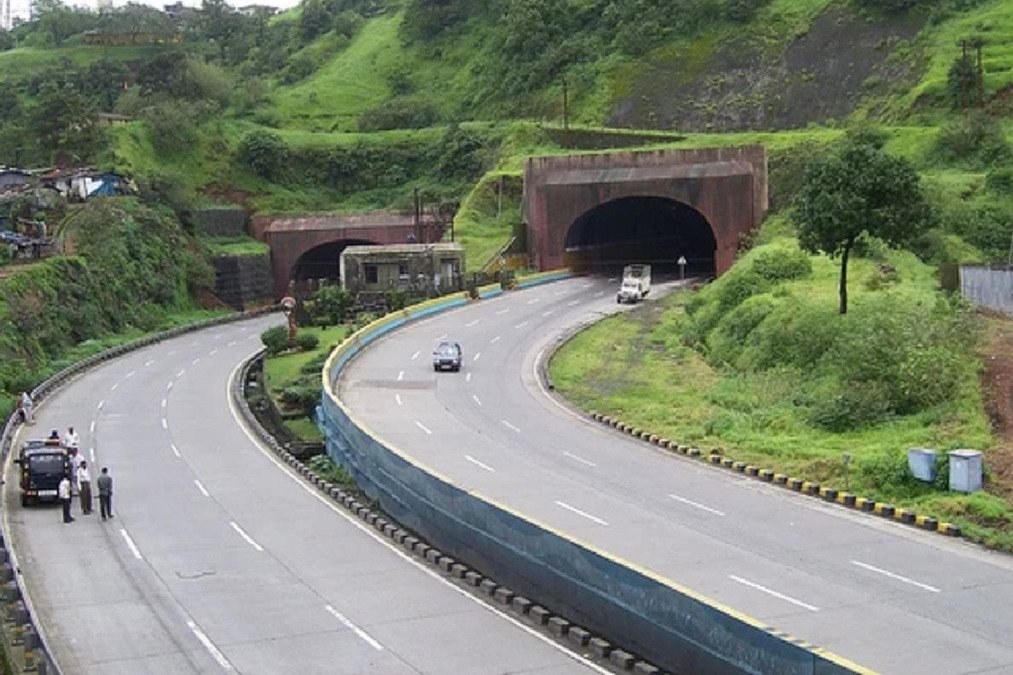
A new greenfield highway project in Maharashtra aimed at strengthening freight movement from the country’s busiest container port is moving closer to execution, with regulatory clearances progressing and construction bids scheduled to open in April 2026. The development signals a strategic push to improve logistics efficiency across the Mumbai Metropolitan Region and beyond.
The proposed Pagote Chouk Expressway will create a direct, access-controlled link between Jawaharlal Nehru Port and key national and regional transport corridors, including the Mumbai–Pune Expressway and the Mumbai–Goa highway. By streamlining connectivity between these high-traffic routes, the corridor is expected to ease congestion on existing arterial roads that currently handle a mix of cargo and passenger traffic. Officials familiar with the project indicate that the Pagote Chouk Expressway is designed to support both freight mobility and regional commuting needs, with a particular emphasis on faster evacuation of port-bound cargo. Given the scale of container traffic handled at the port, improving turnaround time for goods vehicles is seen as critical for reducing logistics costs and enhancing supply chain reliability.
The alignment, spanning just under 30 kilometres, traverses complex terrain, requiring a series of engineering interventions such as bridges, elevated sections, and tunnels. These features are intended to maintain uninterrupted traffic flow while minimising surface-level disruptions in densely developed or environmentally sensitive areas. Industry experts note that such infrastructure design reflects a shift towards high-capacity corridors that prioritise speed, safety, and operational efficiency. The project’s advancement through environmental approval stages, including coastal zone clearance processes, highlights the regulatory balancing act between infrastructure expansion and ecological safeguards. Urban planners point out that as infrastructure projects increasingly intersect with sensitive landscapes, compliance with environmental norms will be crucial to ensuring long-term sustainability.
Beyond immediate logistics benefits, the Pagote Chouk Expressway is expected to influence land use patterns and economic activity along its corridor. Improved connectivity typically attracts warehousing, industrial development, and ancillary services, creating new employment clusters. However, experts caution that this growth must be guided by planned development frameworks to prevent unregulated sprawl and ecological degradation. The corridor also has implications for passenger mobility. Once operational, it is expected to significantly reduce travel time between Pune and key nodes in Navi Mumbai, including emerging infrastructure such as the trans-harbour link. This could further integrate regional labour markets and expand the effective commuting radius within the metropolitan region.
As bidding timelines approach and approvals move forward, the project reflects a broader national trend of leveraging expressway infrastructure to drive economic efficiency and regional integration. The success of the Pagote Chouk Expressway will ultimately depend on timely execution, environmental compliance, and its ability to support a more resilient and sustainable transport network in one of India’s most dynamic urban regions.
Maharashtra Pagote Expressway To Boost Port Connectivity