


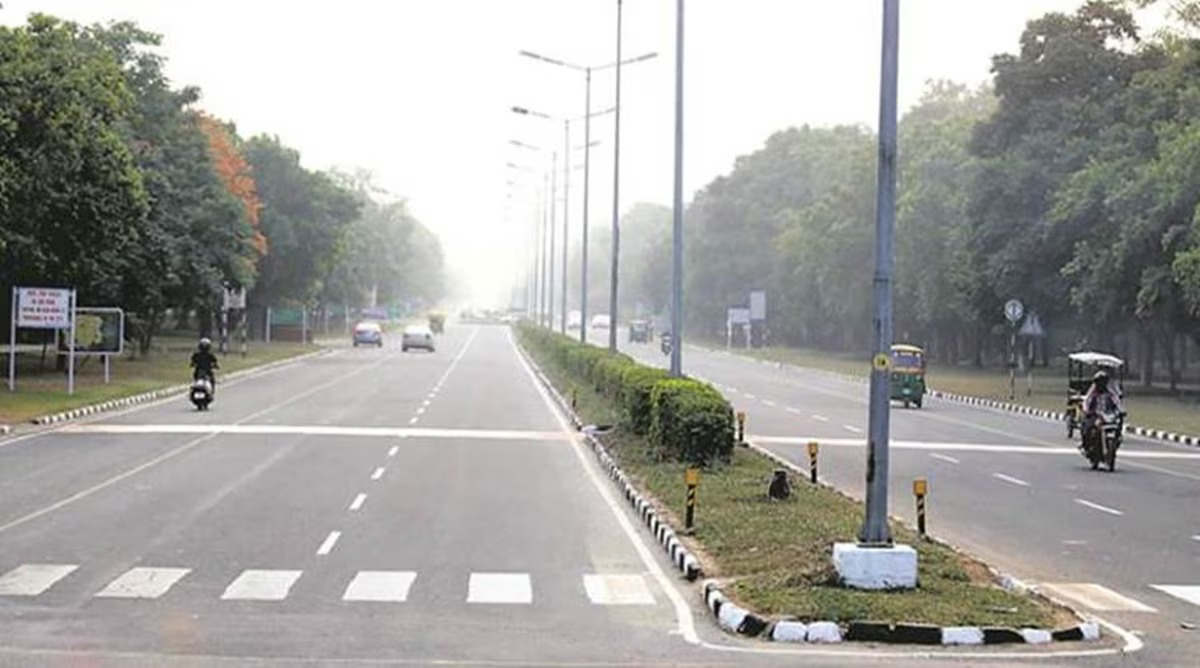
Traffic congestion along one of Indore’s busiest arterial routes is intensifying as construction of an elevated corridor disrupts regular movement, exposing deeper challenges in managing mobility during infrastructure upgrades. The Indore AB Road congestion has become a daily concern for commuters, reflecting the complexity of balancing construction activity with uninterrupted urban transport. The ongoing corridor work, aimed at easing long-term traffic pressure, has led to lane restrictions and diversions, significantly slowing vehicle movement across key stretches. While such disruptions are expected during large infrastructure projects, the scale of the Indore AB Road congestion highlights the need for more coordinated traffic management strategies.
Urban mobility experts note that arterial roads like AB Road are critical to the functioning of the city’s transport network. Any disruption along these corridors can have cascading effects on surrounding routes, increasing travel time and fuel consumption while affecting productivity. The Indore AB Road congestion also underscores the challenge of executing infrastructure upgrades in dense urban environments. As cities grow, retrofitting existing road networks becomes more complex, requiring careful planning to minimise disruption. Experts suggest that phased construction, real-time traffic monitoring, and clear communication with commuters can help manage such situations more effectively. From an economic standpoint, prolonged congestion can impact businesses and logistics operations. Delays in goods movement and increased transport costs can affect supply chains, particularly for sectors that rely on timely deliveries. For daily commuters, extended travel times translate into reduced efficiency and higher personal costs. The issue also has environmental implications. Idling vehicles and stop-and-go traffic contribute to higher emissions, worsening urban air quality. As cities aim to reduce their carbon footprint, managing congestion during construction becomes an important aspect of sustainable urban planning. Urban planners emphasise that the success of the elevated corridor project will ultimately depend on its ability to deliver long-term mobility benefits. Once completed, such infrastructure is expected to improve traffic flow, reduce bottlenecks, and support future growth. However, the interim phase remains a critical period that requires active management. The Indore AB Road congestion situation also highlights the importance of integrating public transport solutions into urban mobility planning. Expanding options such as bus corridors or metro connectivity can reduce dependence on private vehicles, easing pressure on road infrastructure. A senior official indicated that efforts are being made to streamline traffic flow, including deployment of personnel and adjustments to diversion plans. However, experts caution that temporary measures may need to be supplemented with more comprehensive planning.
As Indore continues to invest in infrastructure, the experience along AB Road offers valuable lessons. Managing construction-related disruptions effectively is essential to maintaining urban functionality while building for the future. Looking ahead, the focus will need to remain on ensuring that infrastructure upgrades translate into tangible improvements without disproportionately affecting daily life. Balancing short-term inconvenience with long-term gains will be key to sustaining public support for urban transformation projects.
ALSO READ – Highway Infra Order Reflects Steady Construction Sector Activity
Indore AB Road Congestion Highlights Infrastructure Gaps
