Nagpur School Cleanliness Push Targets Public Health Gaps
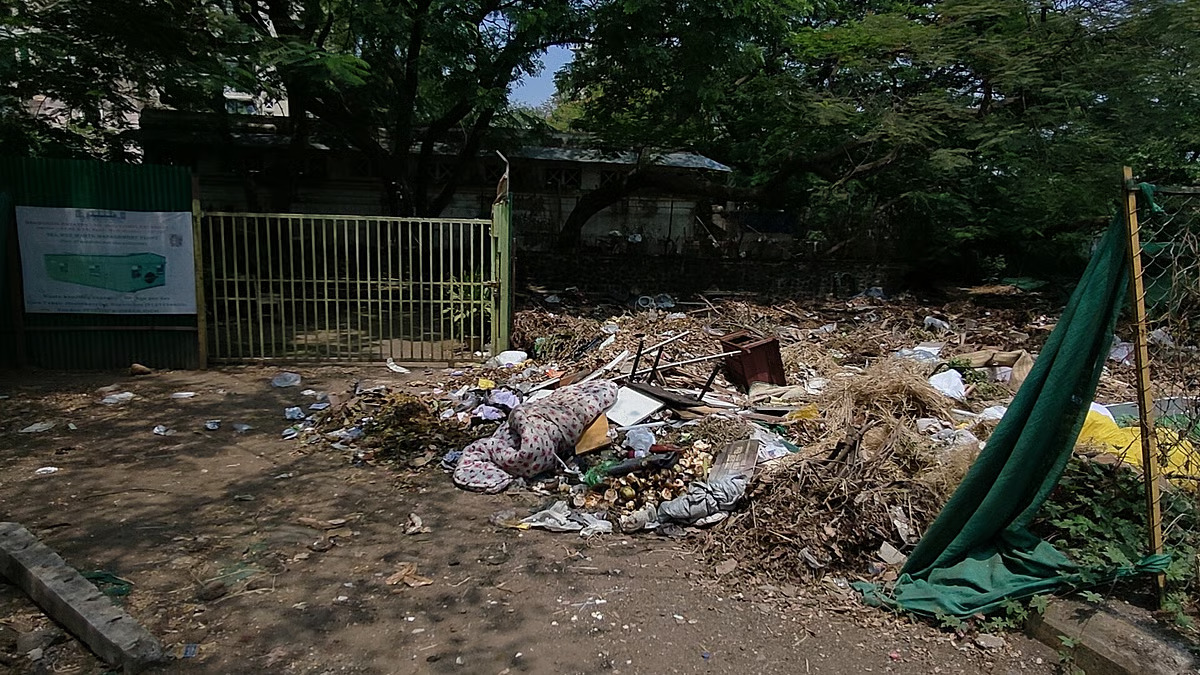
Nagpur’s municipal administration has intensified its focus on hygiene standards in civic-run schools, signalling a renewed push to improve public health conditions within educational infrastructure. The Nagpur school cleanliness drive is being positioned as a critical step towards ensuring safer learning environments, particularly for students from low-income communities who rely on public education systems. Officials have directed field teams to prioritise sanitation across school premises, including classrooms, toilets, and surrounding areas. The initiative reflects growing recognition that school infrastructure plays a central role in shaping both health outcomes and educational engagement.
The Nagpur school cleanliness drive comes at a time when urban public health is increasingly linked to the quality of basic civic services. Poor sanitation in schools can lead to higher absenteeism, especially among younger students, and may disproportionately affect girls due to inadequate facilities. Addressing these gaps is therefore seen as essential for promoting inclusive and equitable access to education. Urban planners note that municipal schools often face infrastructure constraints, including ageing buildings and limited maintenance budgets. Ensuring consistent cleanliness requires not only periodic drives but also sustained operational systems, including regular inspections, adequate staffing, and reliable funding mechanisms. The Nagpur school cleanliness drive also intersects with broader urban development goals. Clean and well-maintained educational facilities contribute to healthier communities and can enhance the overall perception of public institutions. In cities aiming to improve liveability standards, investments in social infrastructure such as schools are as important as physical infrastructure projects. From a sustainability perspective, experts suggest that hygiene initiatives should be integrated with resource-efficient practices. This includes water conservation in sanitation systems, waste segregation, and the use of environmentally friendly cleaning methods. Such measures can align school-level interventions with larger climate and sustainability objectives. The initiative also highlights the role of governance in ensuring accountability. Regular monitoring, feedback mechanisms, and community involvement can help maintain standards beyond initial implementation. Engaging parents and local communities in oversight can create a sense of shared responsibility for maintaining school environments. A senior civic official indicated that the administration is working towards establishing clearer benchmarks for cleanliness and ensuring that schools adhere to defined standards. This may include periodic audits and performance tracking to identify areas needing improvement. However, experts caution that long-term success will depend on addressing structural challenges. Without adequate infrastructure upgrades—such as improved sanitation facilities and reliable water supply—cleanliness efforts may face limitations.
The Nagpur school cleanliness drive reflects a broader shift towards recognising the importance of social infrastructure in urban planning. As cities expand, ensuring that public institutions remain functional, hygienic, and accessible will be key to supporting inclusive growth. Looking ahead, sustained attention to maintenance, combined with targeted investments, will determine whether the initiative can deliver lasting improvements in school environments—contributing not only to better health outcomes but also to a more equitable urban future.