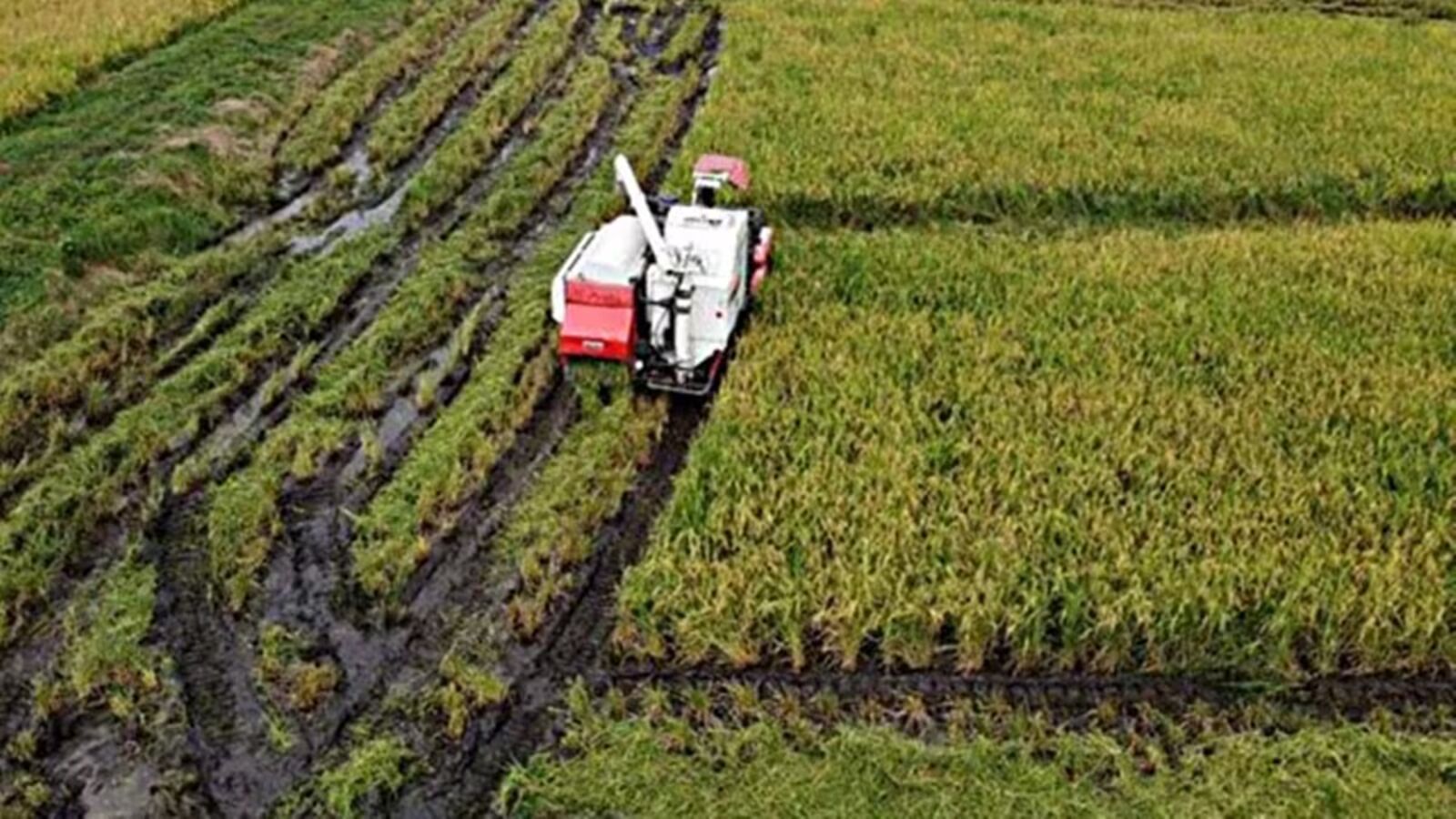
Punjab’s sustained push to modernise agricultural infrastructure is beginning to reshape the state’s rural economy, with recent data showing that investments in irrigation systems, storage facilities and post-harvest logistics have moved the state into a leading position nationally.
The shift is significant not only for farmers but also for the wider built-environment sector, as agricultural infrastructure increasingly overlaps with warehousing, logistics and climate-resilient rural development. Recent developments underline the scale of the transition. The state has significantly expanded canal-based irrigation in just a few years, with coverage rising from around one-quarter of farmland earlier in the decade to nearly 78 per cent by 2026. This expansion has brought water access to more than a thousand villages that had long depended primarily on groundwater, marking one of the largest irrigation-revival efforts undertaken in a single state in recent years. At the same time, Punjab has emerged as one of the strongest performers under the national Agriculture Infrastructure Fund (AIF), a central scheme designed to support farm-level logistics, warehouses, cold chains and processing units. State-level data shows that Punjab has secured one of the highest numbers of sanctioned projects in the country and was recognised as the best-performing state under the programme in recent years.
Financial assessments by national development institutions also point to the depth of the infrastructure ecosystem. A recent agricultural potential report notes that Punjab already has one of the largest food-grain storage capacities in India and a well-developed network of regulated agricultural markets, rural mandis and cold-storage facilities. These assets are increasingly being upgraded to support diversification into horticulture, food processing and high-value crops rather than only wheat and paddy. The push has gained urgency after recent climate-related disruptions. Flooding in 2025 affected thousands of villages and large stretches of farmland, exposing the vulnerability of traditional agricultural systems. In response, state authorities and planners have focused more strongly on irrigation modernisation, storage resilience and logistics networks that can reduce post-harvest losses and improve recovery after extreme weather events.
Urban planners and rural-development experts say the impact of this agricultural infrastructure push goes far beyond farming. Large storage facilities, cold-chain hubs and processing centres are effectively becoming a new category of built infrastructure in smaller towns and peri-urban areas. This is already generating demand for roads, power supply, industrial sheds and logistics-linked real estate—particularly in districts with strong food-processing potential. The next phase of growth will depend on how successfully the state shifts from production-focused infrastructure to value-addition infrastructure. While irrigation and storage expansion have strengthened the base of the farm economy, future investments are likely to focus on processing, renewable-energy-linked agriculture and climate-resilient water management.
If the current momentum continues, Punjab’s agricultural infrastructure model may increasingly be viewed as a template for other states attempting to balance farm productivity, climate resilience and rural economic growth—especially in regions where agriculture remains closely linked to urban food supply chains.