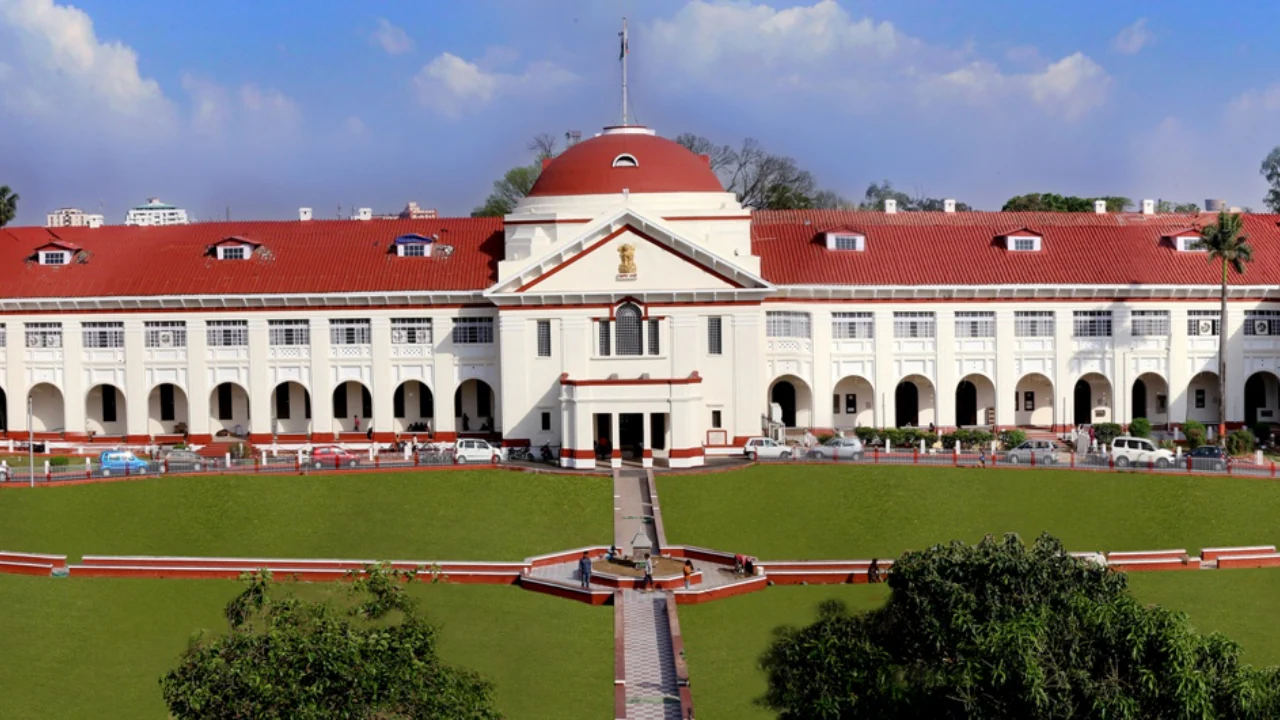
Patna High Court Flags Mental Health Infrastructure Gaps
A sharp rise in people seeking mental health support in Bihar has triggered judicial scrutiny, with the Patna High Court calling for urgent structural reforms after more than one lakh individuals accessed counselling and treatment services in recent years.
The development has drawn attention to a wider urban infrastructure challenge: whether fast-growing cities like Patna are equipped to support mental health needs alongside physical healthcare systems. Data placed before the court shows that over 1.26 lakh people have already received counselling or related support services in the state in recent years, including tens of thousands treated through district hospitals alone. The bench observed that the surge in demand reflects not just greater awareness but also deep structural gaps in mental health services, particularly in rehabilitation facilities and specialist infrastructure. The matter is being examined through a court-initiated proceeding following inspection reports submitted by state legal authorities. These reports pointed to shortcomings at key institutions, including the state’s main mental health facility near Patna, where infrastructure limitations, specialist shortages and limited rehabilitation capacity were highlighted.
The court has asked authorities to examine recommendations in detail and submit a time-bound plan for implementation rather than treating the findings as routine observations. Official court documents reinforce the seriousness of the issue. A recent order noted that a single major mental health institute cannot adequately serve a large and densely populated state, and recommended expanding capacity and creating additional facilities across multiple regions. The order also raised concerns about the limited number of rehabilitation homes, which makes it difficult for patients to transition back into society after treatment. Urban planners and public health experts say the situation highlights a broader shift in how mental health is emerging as a core component of city infrastructure. As urban populations expand and economic pressures intensify, demand for counselling, crisis care and rehabilitation support is rising faster than hospital capacity.
Unlike traditional medical infrastructure, mental healthcare requires decentralised services such as community clinics, school-based counselling systems, and long-term rehabilitation facilities—areas that remain underdeveloped in many tier-two cities. The court has also expanded the focus beyond treatment facilities to include legal compliance under the Mental Healthcare Act, rehabilitation programmes, and coordination between police, hospitals and social-welfare agencies. Officials have been directed to examine how patients who recover are reintegrated into society and whether training or employment-linked rehabilitation systems are functioning effectively. For Patna, the issue carries long-term urban implications. The city is already upgrading large medical campuses and expanding tertiary care infrastructure, but the mental health crisis suggests that healthcare planning cannot rely solely on hospital expansion.
Instead, future urban healthcare systems will need to integrate psychological care, social support, and community-level intervention as part of mainstream planning. The next hearing is expected to review progress made by state authorities. Whether the response focuses on short-term compliance or long-term structural reform will determine how effectively Bihar’s cities prepare for a mental-health demand that is rising faster than traditional healthcare capacity.