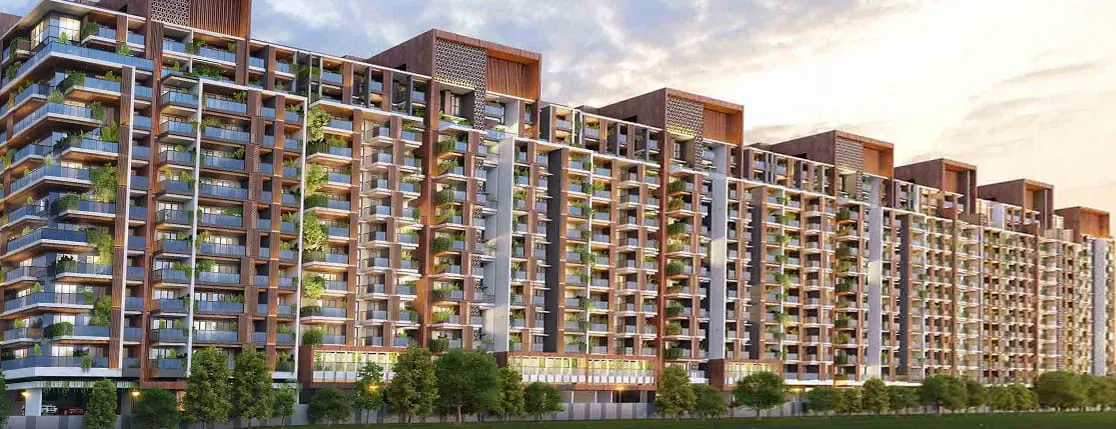
Pune Real Estate Developer Focuses On Liveable Housing
Pune’s residential market is witnessing a shift towards more liveable, design-conscious housing, as developers recalibrate offerings to match evolving urban expectations. In this context, Siddhashila Pune has expanded its presence across key neighbourhoods, signalling a broader industry move towards integrated planning, efficient layouts, and community-centric development in one of India’s fastest-growing cities.
Urban planners note that Pune’s growth trajectory driven by its education sector, IT corridors, and expanding infrastructure has intensified demand for housing that goes beyond basic specifications. Developers are increasingly expected to deliver homes that balance accessibility, sustainability, and quality of life. Siddhashila Pune’s portfolio across central and emerging micro-markets reflects this transition, with projects located in areas that offer proximity to employment hubs, transport links, and social infrastructure.In established localities such as Mukund Nagar and Model Colony, redevelopment-led housing is gaining traction, replacing older stock with more efficient, vertically designed residences. Meanwhile, western corridors like Wakad and Punawale continue to attract younger buyers due to improved road connectivity and proximity to IT parks. Industry experts suggest that such geographic diversification helps developers hedge market risks while responding to distinct buyer segments.
A notable feature of recent residential launches is the growing emphasis on shared amenities and community infrastructure. Rooftop spaces, clubhouses, and wellness facilities are increasingly integrated into project design, reflecting changing lifestyle preferences in dense urban environments. These elements, once considered premium add-ons, are now becoming standard expectations among homebuyers seeking work-life balance within residential complexes. Safety and environmental considerations are also shaping development strategies. Access-controlled entries, surveillance systems, and compliance with fire safety norms are being prioritised as baseline requirements. At the same time, architects and planners are exploring ways to improve natural ventilation, daylight access, and energy efficiency factors that contribute to long-term climate resilience in cities facing rising temperatures and resource constraints.
From a policy perspective, Pune’s urban expansion underscores the need for coordinated planning between real estate development and civic infrastructure. Experts highlight that housing growth must align with public transport networks, water management systems, and green spaces to avoid the pitfalls of unplanned urban sprawl. Developments that integrate these considerations are more likely to remain viable over time, both economically and environmentally. For Siddhashila Pune, the current trajectory reflects an attempt to align with these broader urban shifts rather than merely scale up volumes. As the city continues to expand, the focus on liveability, accessibility, and sustainable design is expected to define the next phase of residential growth. The challenge ahead will lie in ensuring that such developments remain inclusive and responsive to the needs of a diverse and growing urban population.