


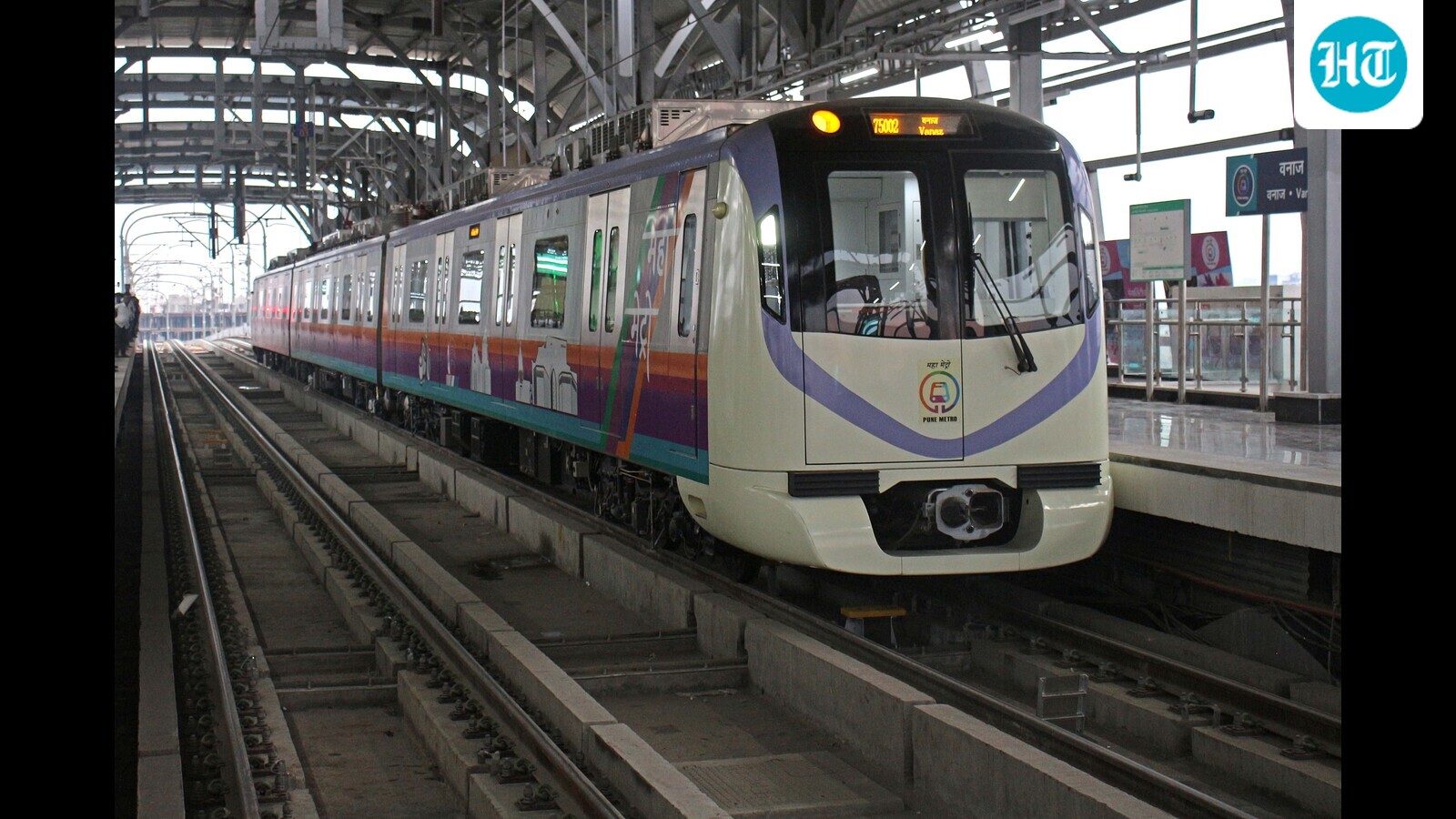
Indore’s emerging rapid transit network has moved closer to public operations after completing high-speed test runs, marking a significant step in the city’s transition towards structured, low-emission mobility. The development positions the Indore Metro as a key intervention in easing congestion, improving commute reliability, and shaping more compact urban growth patterns. Officials associated with the project confirmed that trial operations have achieved speeds of up to 80 km/h on priority stretches, indicating system readiness from an engineering and safety standpoint. The network is now awaiting final certification from the national metro safety regulator before opening selected corridors for passenger services.
The progress of the Indore Metro comes at a time when tier-two cities are increasingly adopting rail-based transport to address rising vehicle ownership and urban sprawl. With Indore witnessing sustained population growth and expanding industrial clusters, planners view mass transit as critical to avoiding the congestion challenges seen in larger metropolitan regions. Urban mobility experts note that the Indore Metro could significantly reduce travel time across key corridors, especially for daily commuters navigating between residential zones and commercial hubs. More importantly, it is expected to shift a portion of trips away from private vehicles, contributing to lower urban emissions and improved air quality—an increasingly urgent concern in fast-growing Indian cities. Beyond mobility, the Indore Metro is likely to influence real estate patterns along its corridors. Transit-oriented development—where housing, retail, and office spaces are clustered around metro stations—is expected to gain momentum. Industry observers suggest that such development can promote more walkable neighbourhoods, reduce dependence on long-distance commuting, and optimise land use efficiency. From an infrastructure standpoint, the completion of high-speed trials demonstrates the city’s growing capability to execute complex urban projects within defined timelines. A senior project official indicated that the focus has now shifted to compliance checks, signalling integration, and passenger safety protocols before the final go-ahead is granted.The Indore Metro also reflects a broader policy shift towards building climate-resilient transport systems in smaller cities. By prioritising electric, rail-based mobility, cities like Indore are aligning with national goals of reducing carbon intensity while improving urban liveability.
However, experts caution that the long-term success of the Indore Metro will depend on last-mile connectivity, fare integration with other transport modes, and ensuring affordability for a diverse commuter base. Without these, ridership may not reach projected levels, limiting both environmental and economic benefits. As the project moves towards regulatory clearance, the coming months will determine how effectively Indore can translate infrastructure readiness into a functional, inclusive urban mobility system. The rollout of the Indore Metro could become a benchmark for similar cities navigating the balance between growth, sustainability, and quality of life.
ALSO READ – Samsung India Festive Push Expands AI Appliance Access
Indore Metro Trials Signal Urban Mobility Shift
