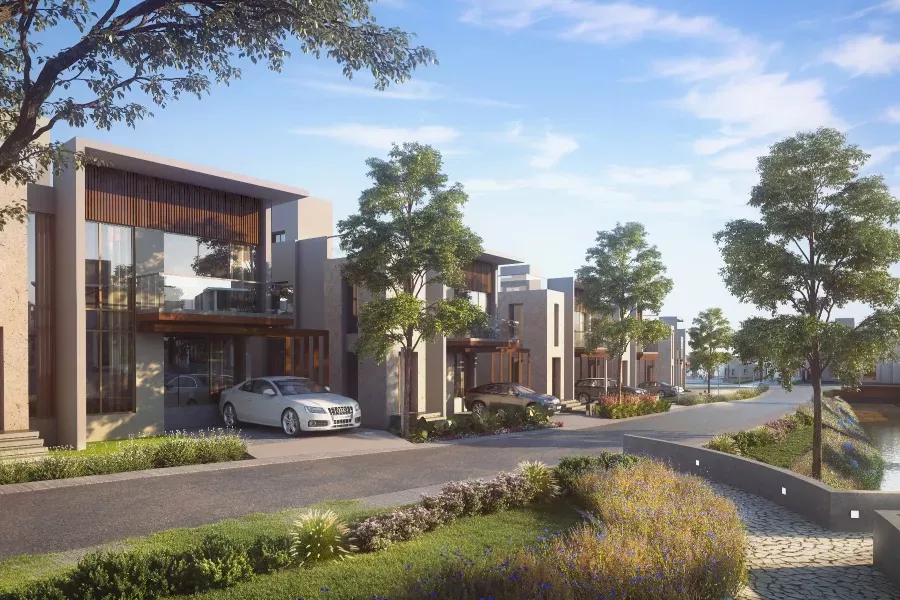
Pune’s premium residential market is undergoing a structural shift, with developers and buyers increasingly prioritising design elements such as natural light, ventilation, and access to open spaces over sheer apartment size. This transition reflects changing post-pandemic preferences and a growing base of high-net-worth individuals seeking homes that support wellbeing alongside status.
Industry estimates indicate that demand for high-value homes has risen sharply over the past year, with a notable uptick in transactions above the ₹4 crore mark. At the same time, the profile of buyers is evolving. Market observers note that senior executives, returning global professionals, and first-generation entrepreneurs are now driving demand, often seeking residences that combine privacy, flexibility, and environmental responsiveness. This trend is particularly visible in Pune, where relatively lower density compared to larger metros has allowed developers to experiment with more open, low-congestion formats. The Pune luxury housing segment has seen increased activity in established micro-markets such as Boat Club Road, where proximity to green corridors and central business districts adds to the appeal.
Urban planners suggest that the emphasis on light and airflow is more than a lifestyle choice. “Homes designed with cross-ventilation and access to daylight reduce energy dependence and improve indoor environmental quality,” said an urban design expert, pointing to long-term implications for sustainable city-building. This aligns with a broader shift in Indian real estate, where over half of new high-end projects are incorporating eco-conscious features, including energy-efficient systems and water conservation measures. Developers are also rethinking density within projects. Instead of maximising the number of units, some new developments are limiting residences per floor to enhance privacy and reduce shared infrastructure stress. Such configurations, while reducing overall inventory, are seen as better aligned with the expectations of affluent buyers who prioritise exclusivity and personal space.
Amenities, too, are being recalibrated. Rather than expansive but underutilised facilities, newer projects are focusing on functional spaces such as landscaped gardens, fitness areas, and community zones that support everyday use. Smart home technologies and enhanced security systems have become standard, reflecting demand for convenience and safety in urban living environments. Sustainability remains an emerging but critical factor in Pune luxury housing. Solar energy systems, efficient waste management, and climate-responsive architecture are increasingly being integrated, not just as value additions but as baseline expectations among environmentally aware buyers.
As Pune continues to attract investment and migration from larger metros, this evolution in housing design may influence broader urban development patterns. Experts believe that if scaled effectively, such approaches could contribute to more liveable, climate-resilient neighbourhoods, where built form responds not only to market demand but also to environmental and social considerations.