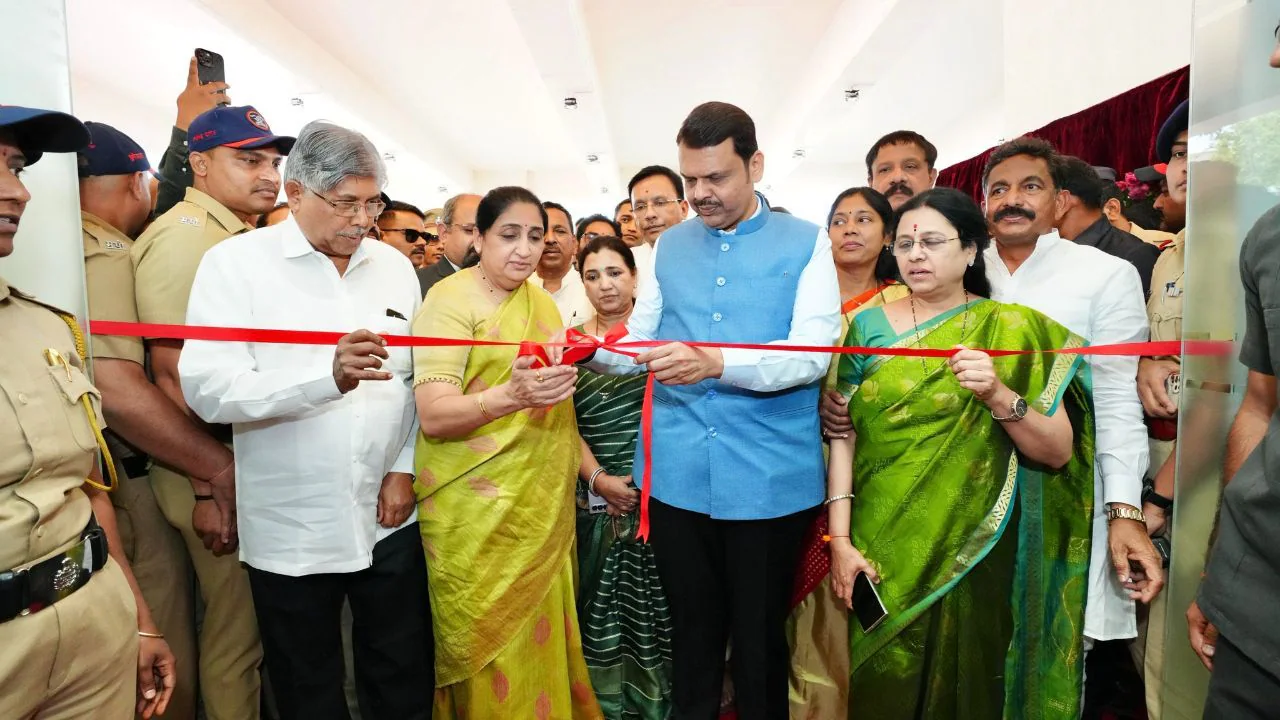
Urban mobility planning in Pune is entering a new phase as authorities work towards building a large-scale rapid transit system designed to serve the city and its surrounding growth centres. State officials have outlined plans for a 200-kilometre Pune metro network, aimed at improving connectivity across Pune, Pimpri Chinchwad, and the wider metropolitan region while easing long-standing traffic pressures.
The proposal reflects the scale of change unfolding across western Maharashtra’s most dynamic urban corridor. Over the past decade, Pune has experienced rapid expansion driven by the technology industry, higher education institutions and advanced manufacturing clusters. Transport planners say that without a strong public transit backbone, the city’s road network risks being overwhelmed by rising commuter volumes.
Officials confirmed that the broader mobility vision is being coordinated by the Maharashtra Metro Rail Corporation Limited in collaboration with the Pune Metropolitan Region Development Authority. Instead of building disconnected routes, authorities are now preparing a unified blueprint that integrates multiple corridors into a single metropolitan network.
Urban planners involved in the discussions say the strategy is intended to link residential neighbourhoods, employment hubs and transport gateways across the region. A comprehensive Detailed Project Report is expected to map new corridors while closing connectivity gaps between existing lines and emerging development zones. A key component of the strategy is the corridor connecting Hinjewadi’s technology district with the city centre. The line linking the western IT hub with Shivajinagar is approaching operational readiness and is expected to play a crucial role in supporting daily travel for thousands of professionals working in the area’s technology parks. Transport economists say that strengthening metro connectivity around large employment clusters is essential for managing congestion in rapidly urbanising cities. Hinjewadi alone hosts hundreds of technology firms and attracts a substantial commuter workforce each day, much of which currently depends on private vehicles or crowded road-based transport. Ridership patterns on existing metro lines also indicate growing acceptance of mass transit in Pune. Passenger volumes have steadily increased since services began, with peak travel numbers recorded during major cultural events such as the annual Ganesh festival, when daily usage surged dramatically.
Experts note that the expansion of a 200-kilometre Pune metro network could reshape the region’s urban development patterns. Cities that invest in high-capacity public transport often see denser, transit-oriented neighbourhoods emerge around stations, reducing dependence on cars and improving access to jobs, housing and public services. However, planners caution that the long-term success of the 200-kilometre Pune metro network will depend on coordinated land-use planning and strong last-mile connectivity. Pedestrian infrastructure, feeder transport and mixed-use development near stations will be crucial to ensure that the system remains accessible and inclusive. As the metropolitan region prepares for sustained population and economic growth, officials believe that an integrated metro system could become the backbone of Pune’s transport future. If implemented effectively, the network could not only ease congestion but also support a more sustainable and resilient urban economy.
Pune Plans 200 km Metro Mobility Grid