For many Indians living abroad, purchasing homes or land in India has long been viewed as both an emotional and financial anchor. Yet financial advisers and urban market observers say the traditional strategy of accumulating India property investments is increasingly being questioned, particularly among second-generation migrant families whose long-term lives are rooted outside the country.
Across several major Indian cities, a growing number of overseas households now find themselves holding residential assets that are rarely occupied and difficult to manage from afar. Analysts say these holdings often fail to deliver meaningful financial returns while creating complex logistical and inheritance challenges.
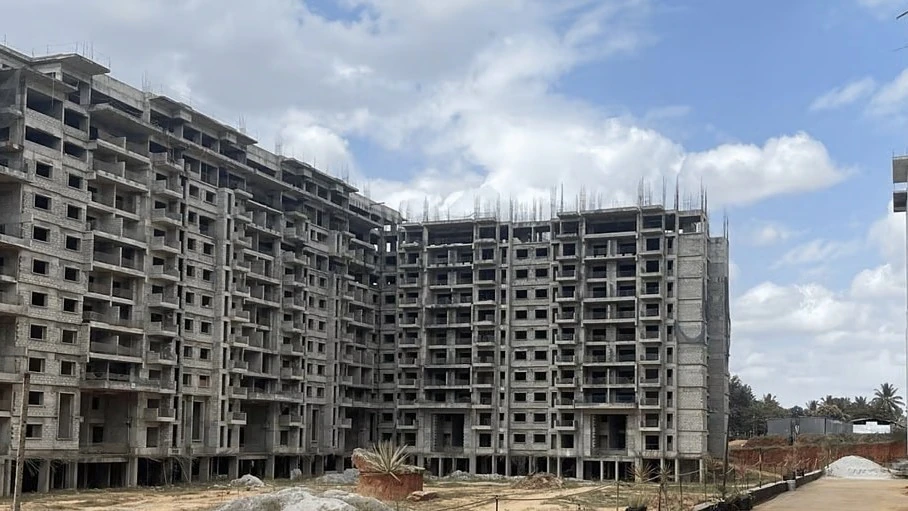
A key concern relates to the pace of change in India’s housing market. Residential design, building standards and amenities have evolved rapidly since economic liberalisation expanded access to global construction materials and modern urban planning practices. Apartments purchased years earlier can quickly lose appeal as new developments introduce better infrastructure, energy-efficient features and improved community amenities. For investors living abroad, this raises the possibility that properties intended for future retirement may become outdated by the time they are needed. Another complication emerges when such homes are purchased partly to support relatives living in India. In many cases, ownership structures remain informal or shared within extended families. Urban legal advisers note that unclear title arrangements can make it difficult for the person who financed the property to exercise control or generate rental income. The result is an asset that requires maintenance and renovation costs but produces little financial benefit.
Currency dynamics also influence the real value of India property investments for overseas buyers. Funds typically originate in foreign currencies but are converted to rupees at the time of purchase. Over long periods, fluctuations in exchange rates can reduce the asset’s effective value when measured against the investor’s income or savings abroad. Distance further complicates property management. Overseas owners often struggle to oversee maintenance, handle tenant disputes, or navigate regulatory processes involved in leasing or selling property. Without professional property management services an option many smaller investors avoid due to cost, vacant homes can deteriorate or become financially burdensome.
Urban economists argue that these factors are prompting a gradual rethink among diaspora households about where real estate should sit within their portfolios. In many countries with large migrant populations, buying property in the place of residence offers greater legal clarity, proximity to the asset and easier inheritance planning for children raised abroad. At the same time, India’s urban housing sector continues to evolve, with policymakers pushing for more transparent property transactions, digital land records and stronger regulatory oversight. Experts suggest that if such reforms continue, they could gradually improve confidence among global investors. For now, however, the experience of many overseas households underscores a broader shift: property ownership driven by sentiment rather than strategy may no longer align with the realities of a rapidly changing global and urban economy.