


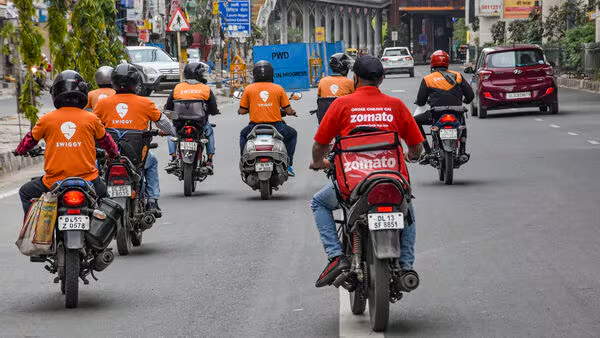
Food delivery workers across Nagpur are bracing for potential disruptions as an ongoing shortage of commercial cooking gas begins to ripple through the city’s restaurant ecosystem. While delivery operations continue for now, riders say the next few days could determine whether the city’s app-based food economy remains stable or faces a sudden slowdown. The uncertainty stems from the Nagpur LPG crunch, which has affected the availability of commercial cylinders used by restaurants, cloud kitchens and street food vendors. Although many eateries are still operating, industry observers say prolonged fuel shortages could force kitchens to reduce menus, limit operating hours or temporarily shut down—directly impacting delivery demand.
Delivery riders working with major food platforms report that order volumes have so far remained relatively steady, but the situation is fragile. Some eateries, particularly those reliant on gas-intensive cooking methods such as breakfast outlets, are already seeing reduced activity. In contrast, businesses that depend more on electric ovens or baked food items appear to be maintaining operations for the moment. The Nagpur LPG crunch is also affecting newer delivery workers who rely heavily on high order volumes to maintain stable daily earnings. Riders say that even small changes in restaurant availability can translate into fewer deliveries, longer idle periods and reduced incentives. Food service businesses across the city are adapting where possible. Some operators have shifted to electric appliances such as air fryers and induction cooktops, while others have trimmed menus to focus on items that require less gas. However, these adjustments often increase electricity costs and limit the variety of food available to customers. Urban economists note that the episode highlights the interconnected nature of modern city economies. Food delivery platforms depend on a dense network of restaurants, cloud kitchens, logistics workers and fuel supply chains. When one component—such as LPG availability—faces disruption, the effects quickly cascade through the entire system. Nagpur’s rapidly expanding food delivery sector is closely linked to its urban growth. As residential neighbourhoods expand and lifestyles shift towards convenience-based services, app-driven food logistics have become a significant source of employment for gig workers. Any sustained interruption to kitchen operations therefore has implications not only for restaurants but also for thousands of delivery partners who depend on consistent order flows.
Energy experts say the situation reflects a broader challenge for urban infrastructure: ensuring reliable energy supplies for small businesses that power city services. Diversifying energy sources—such as expanding piped natural gas networks or promoting electric cooking technologies—could reduce the vulnerability of food businesses to LPG supply shocks. For now, delivery riders across Nagpur are watching the coming days carefully. If restaurants manage to maintain operations despite fuel constraints, the city’s delivery ecosystem may remain largely intact. But if the LPG shortage deepens, the impact could extend beyond kitchens—affecting livelihoods, urban food access and the resilience of the city’s growing gig economy.
ALSO READ – Nagpur Mouda Township Achieves Litter Free Status
Nagpur LPG Crunch Threatens City Food Delivery Economy
