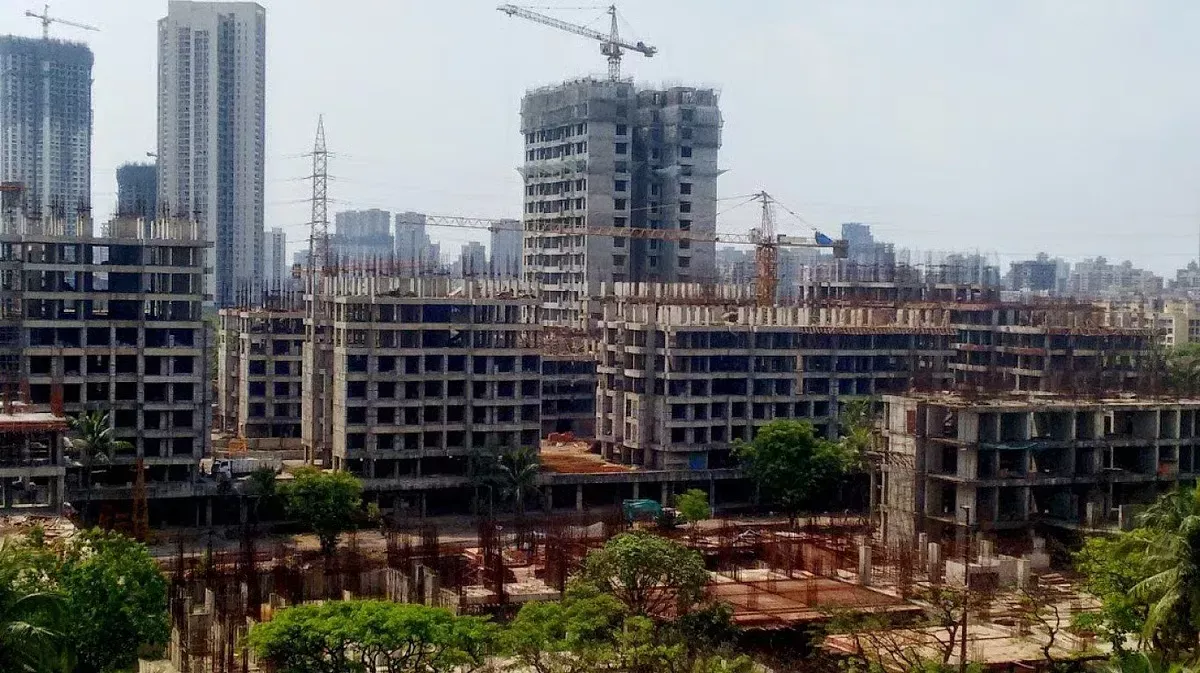
A large Andheri West redevelopment project is set to transform a nearly three-acre residential plot off Veera Desai Road in Mumbai, as a major city developer moves ahead with plans to rebuild an ageing cooperative housing society. With an estimated gross development value of around ₹1,400 crore, the project highlights how redevelopment is becoming a central strategy for unlocking land value in densely built neighbourhoods while improving housing quality in the city.
The redevelopment will replace an older cooperative housing society with a new residential complex designed to reflect current urban housing needs. Industry observers say projects of this scale illustrate the growing importance of the Andheri West redevelopment project model in Mumbai, where limited vacant land has pushed developers to focus on renewing ageing buildings.
Andheri West has long been one of Mumbai’s most active real estate micro-markets, combining residential neighbourhoods with commercial and entertainment hubs. Its proximity to employment centres, metro connectivity, and major arterial roads has kept housing demand resilient despite rising property values. Urban planners note that redevelopment in such established districts helps cities grow without expanding their physical footprint. According to market analysts, the redevelopment will leverage the area’s strong infrastructure network. Veera Desai Road connects to key transport corridors and lies within reach of metro lines that have strengthened east–west mobility in the suburb. Improved transit options have gradually shifted buyer preference toward redeveloped housing projects offering better amenities and higher structural standards.
Redevelopment has increasingly become a policy-backed approach in Mumbai’s real estate ecosystem. With thousands of cooperative housing societies built decades ago now facing structural ageing, redevelopment allows residents to receive upgraded homes while developers gain access to scarce land in prime locations. Urban development experts say such projects can also improve building safety, energy efficiency and infrastructure capacity when designed responsibly. Real estate consultants tracking the market say redevelopment-led housing supply is now a major contributor to new residential inventory in the Mumbai Metropolitan Region. The approach is particularly visible in older suburbs such as Andheri, Goregaon and parts of central Mumbai where cooperative housing societies occupy valuable land parcels close to transit and employment clusters.
Developers involved in the project say the upcoming complex will focus on contemporary residential design, including open spaces, shared amenities and environmentally conscious construction practices. Urban sustainability specialists point out that redevelopment projects provide an opportunity to integrate green building standards, water management systems and climate-responsive design into older neighbourhoods. As Mumbai continues to densify, planners argue that structured redevelopment will remain essential to maintaining liveability in the city’s established residential zones. Projects such as the new Andheri West redevelopment project signal a broader shift toward rebuilding rather than expanding outward an approach many experts believe is key to creating resilient, transit-oriented urban neighbourhoods in India’s financial capital.