


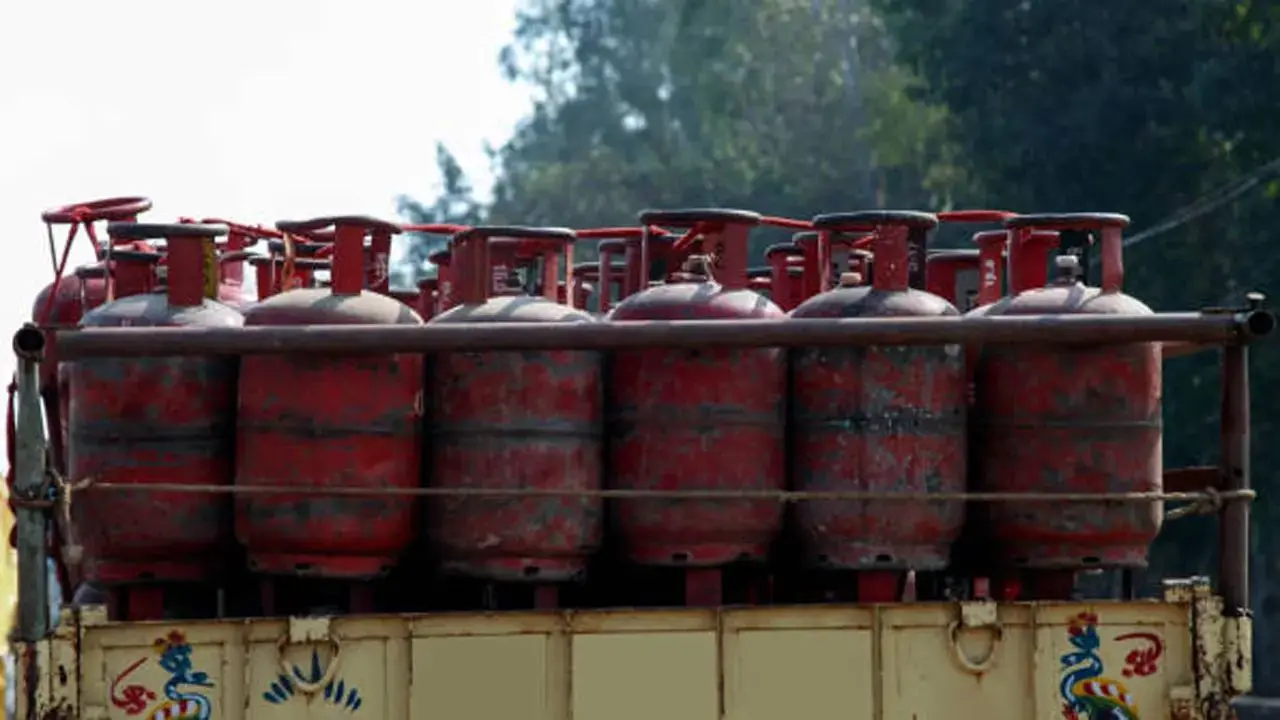
A sudden contraction in Madhya Pradesh LPG supply is beginning to ripple through urban economies, with gas cylinder dispatches across parts of the state falling sharply this week after authorities tightened deliveries to commercial users. The change, reported across several distribution centres including Indore and Bhopal, has reduced daily refill movements by roughly a quarter, raising concern among restaurants, caterers, and small enterprises that rely on liquefied petroleum gas to operate kitchens and food services. Officials overseeing fuel distribution say the temporary recalibration of Madhya Pradesh LPG supply is linked to wider global disruptions affecting energy shipments. Escalating geopolitical tensions in West Asia have unsettled supply chains that transport petroleum products and LPG through key maritime routes. India imports a substantial share of its LPG from the region, making local markets sensitive to external shocks. To stabilise domestic availability, oil marketing companies and local authorities have reportedly redirected supply priorities. Deliveries to households and essential institutions such as hospitals and hostels are being maintained, while commercial users face tighter allocations. Urban planners and energy analysts note that such measures are often used to prevent shortages in residential neighbourhoods, particularly during periods of international volatility in energy markets.
However, the immediate impact is being felt by small businesses concentrated in cities. Restaurants, roadside eateries, catering companies and event venues depend heavily on commercial LPG cylinders to power large-scale cooking operations. Industry representatives warn that prolonged supply restrictions could affect thousands of livelihoods across the state’s urban service economy, particularly during the busy spring wedding and festival season. For city economies, the episode highlights a broader vulnerability in urban energy systems. LPG remains the dominant cooking fuel for both households and commercial kitchens in much of India, especially in densely populated neighbourhoods where electric infrastructure may not yet support high-load alternatives. Urban sustainability experts argue that this dependence makes cities exposed to global supply shocks and underscores the need for diversified, resilient energy options.
Several policy discussions already underway across Indian cities are examining alternatives such as piped natural gas networks, electric induction systems, and decentralised renewable power for commercial kitchens. Expanding such infrastructure could gradually reduce reliance on bottled LPG while lowering urban carbon emissions and improving energy security. State authorities have indicated that the current supply adjustment is being monitored and that fuel availability for households remains stable. For urban policymakers, the episode serves as a reminder that local economic resilience increasingly depends on how cities manage energy supply risks in a volatile global environment. As governments and energy companies review logistics and distribution capacity, the coming weeks will determine whether the Madhya Pradesh LPG supply disruption remains a short-term logistical adjustment or becomes a broader urban energy management challenge.
ALSO READ – Maharashtra Lift Safety Reform Expands Local Inspections
Indore Commercial LPG Supply Curbs Slow Dispatches
