Maharashtra Lift Safety Reform Expands Local Inspections
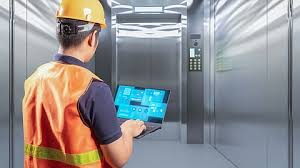
Maharashtra has moved to decentralise the inspection of lifts, escalators and moving walkways in a significant regulatory shift aimed at improving safety oversight across rapidly urbanising cities. The state Legislative Council has approved amendments to the Maharashtra lift inspection reform, allowing electrical inspectors at district and divisional levels to conduct equipment inspections before licences are issued and during routine safety checks.
The change alters the existing framework under the Maharashtra Lifts, Escalators and Moving Walks Act, 2017, where inspection and licensing authority was largely concentrated with the office of the chief electrical inspector. Officials say the centralised system had struggled to keep pace with the surge in lift installations driven by high-rise construction in cities such as Mumbai, Pune and Thane. Urban development experts view the Maharashtra lift inspection reform as a response to the vertical expansion of Indian cities. Over the past decade, redevelopment projects and dense residential towers have significantly increased the number of elevators operating in housing societies, commercial buildings and hospitals. With more lifts entering service each year, regulators faced growing pressure to expand inspection capacity and reduce delays in licensing.
Under the amended framework, electrical inspectors posted in districts will be authorised to inspect lifts and related equipment within their jurisdiction, both before operation permits are granted and during periodic compliance checks. This decentralised structure is expected to reduce administrative bottlenecks and speed up approvals for new installations while maintaining safety oversight. The reform also updates legal references within the law to align with newer national legislation, including replacing provisions tied to the Indian Penal Code with those under the Bharatiya Nyaya Sanhita and updating references to workplace safety laws.
The Maharashtra lift inspection reform arrives at a time when elevator safety has become a prominent concern in densely built urban regions. Experts have long argued that the regulatory framework governing lift operations has struggled to keep pace with modern building technologies and complex elevator systems used in high-rise developments. Despite the introduction of the 2017 law, implementation has faced delays because detailed rules required to operationalise the legislation remain under preparation. Safety specialists say the growing number of lifts in Maharashtra—particularly in large residential complexes—requires a more distributed monitoring system supported by trained inspectors and updated technical standards. Decentralised inspections could help ensure more frequent monitoring and faster responses to safety issues reported by building managers or residents.
Urban planners note that reliable elevator infrastructure is becoming a critical component of city safety as residential towers grow taller and populations in vertical communities increase. Efficient inspection systems not only prevent mechanical failures but also support accessibility for elderly residents, people with disabilities and emergency services.
As cities across Maharashtra continue to build upward, regulators are expected to focus on strengthening inspection capacity, improving digital compliance systems and ensuring that elevator safety standards evolve alongside the rapid transformation of the built environment.