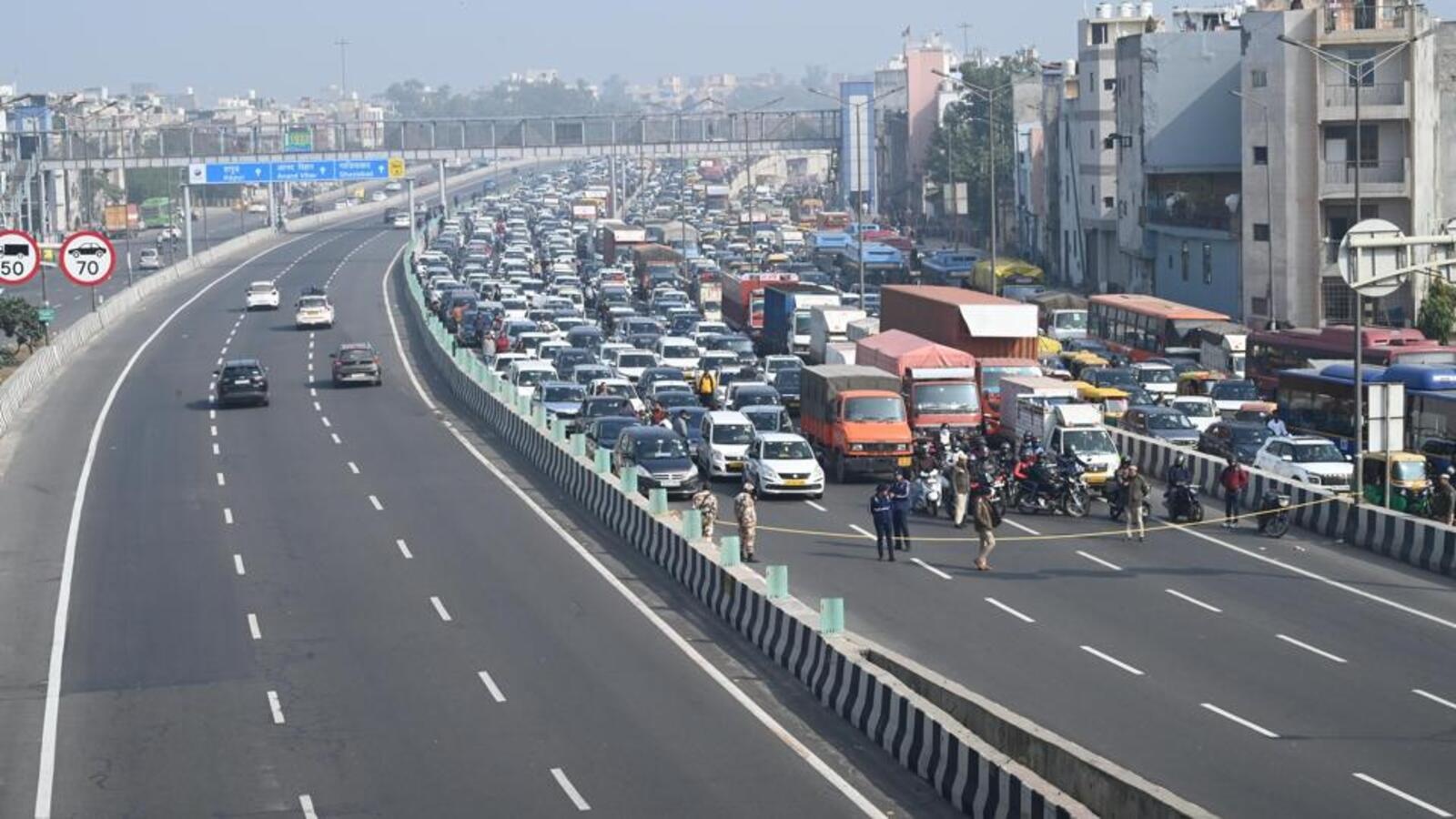
Delhi Constituency Development Budget Targets Local Infrastructure
The Delhi administration is preparing to introduce a targeted financial allocation for each legislative constituency to accelerate neighbourhood-level infrastructure upgrades across the capital. The initiative, described as a Delhi constituency development budget, aims to support local projects such as road repairs, water supply improvements, sanitation facilities and public space upgrades in areas that often face delays in larger citywide infrastructure programmes. Officials involved in urban governance say the move reflects an effort to address uneven development patterns across the city. While some districts have benefited from major infrastructure investments, many neighbourhoods still struggle with smaller but essential civic issues such as drainage repairs, local road maintenance and access to community amenities.
Under the proposed Delhi constituency development budget, each assembly constituency would receive dedicated funds to identify and implement priority projects tailored to local needs. Administrative departments and district-level authorities are expected to work closely with elected representatives and community groups to determine which initiatives should receive funding. Urban policy experts note that decentralised budgeting can improve responsiveness to local challenges. Cities as large and complex as Delhi often face governance bottlenecks when all infrastructure planning is managed centrally. By allocating resources at the constituency level, authorities may be able to address neighbourhood concerns more quickly while improving accountability in project delivery. Infrastructure specialists say the range of potential works could include resurfacing internal roads, upgrading neighbourhood parks, strengthening water distribution networks and improving sanitation facilities. Such improvements may appear modest compared with large infrastructure projects, but they often have a direct impact on daily life in residential areas.
The Delhi constituency development budget could also influence the city’s broader urban planning strategy. Experts say localised investment in civic infrastructure can help improve liveability, particularly in densely populated neighbourhoods where access to green space, clean streets and reliable utilities remains uneven. Urban planners emphasise that neighbourhood infrastructure plays a critical role in shaping sustainable and inclusive cities. Well-maintained roads, safe public spaces and efficient water systems contribute not only to quality of life but also to environmental resilience and economic productivity. However, governance experts caution that the success of such initiatives will depend heavily on implementation and oversight. Transparent project selection, clear spending guidelines and effective monitoring systems will be essential to ensure that allocated funds deliver tangible improvements rather than fragmented or short-term works. Delhi continues to face growing infrastructure pressures as population density rises and urban services expand to meet the needs of a rapidly evolving metropolitan economy. Investments that focus on neighbourhood-scale infrastructure could help bridge service gaps that often emerge in large urban systems. Urban development analysts say programmes like the Delhi constituency development budget may also encourage more participatory planning if residents are consulted about local priorities. Over time, such an approach could strengthen connections between urban policy decisions and the everyday needs of communities.
As details of the funding structure and implementation timelines are clarified, policymakers will be closely watched to see whether constituency-level investment can deliver more balanced urban development across India’s capital city.
Delhi Constituency Development Budget Targets Local Infrastructure