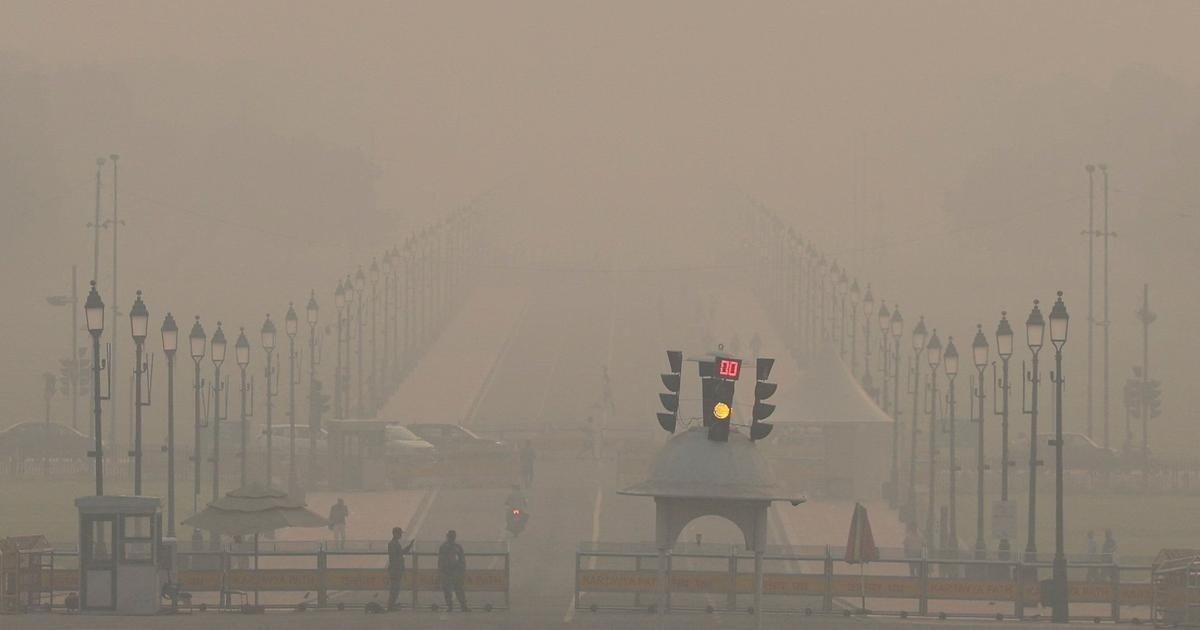
The Delhi government has established three specialised bodies to accelerate its response to deteriorating air quality, creating a new administrative framework that combines scientific advice, policy implementation and technology-led solutions. The move aims to strengthen the city’s long-term strategy for tackling emissions while improving coordination between research institutions, regulators and enforcement agencies. The newly created structure forms a key part of the capital’s evolving Delhi air pollution panels framework, designed to address persistent environmental challenges that affect millions of residents each year. The system includes a scientific advisory group, an operational oversight committee responsible for executing pollution control measures, and a third panel focused on identifying emerging technologies capable of reducing emissions across sectors.
Officials involved in the initiative say the advisory body brings together specialists in atmospheric science, waste management, urban planning and environmental regulation. The panel is expected to analyse pollution trends, assess policy effectiveness and recommend practical measures that could reduce emissions from transport, construction, industry and waste handling. Urban policy analysts note that cities with large populations and dense infrastructure networks often require multi-layered governance mechanisms to manage environmental risks. Delhi’s experience with seasonal pollution spikes has highlighted the need for continuous scientific assessment alongside rapid implementation of mitigation measures. The second body under the Delhi air pollution panels structure has been tasked with overseeing on-ground execution of regulatory measures. Senior administrative officials will coordinate with district authorities and environmental regulators to ensure compliance with pollution norms, monitor progress of action plans and respond quickly to emerging air quality risks. Government officials said the operational committee will also monitor enforcement actions across construction sites and industrial zones, areas widely recognised as major contributors to particulate emissions in the capital. Recent inspections conducted across hundreds of construction locations led to regulatory notices, financial penalties and site closures in cases of non-compliance with dust control norms.
Urban infrastructure experts say tighter enforcement can play a crucial role in improving air quality outcomes, particularly in rapidly growing metropolitan regions where construction activity remains constant. Measures such as dust suppression, waste management controls and emissions monitoring are increasingly seen as essential components of sustainable urban development. The third group within the Delhi air pollution panels initiative focuses on technology innovation. This panel will evaluate hundreds of proposals submitted under a government-led innovation challenge, selecting solutions that could help address pollution sources through scientific monitoring, emissions reduction systems and cleaner energy technologies. Environmental researchers emphasise that technological experimentation, when combined with strong policy frameworks, can support long-term improvements in air quality. Cities across the world are increasingly investing in real-time monitoring networks, pollution forecasting tools and low-emission infrastructure to better manage environmental pressures. Authorities have also begun steps toward a detailed scientific assessment of pollution sources in the capital through a source apportionment study. Such research helps determine how different sectors—transport, industry, dust and biomass burning—contribute to overall air pollution levels.
As Delhi continues to confront recurring air quality crises, experts say the success of the Delhi air pollution panels approach will depend on sustained enforcement, credible scientific data and long-term urban planning strategies that prioritise cleaner mobility, efficient energy systems and climate-resilient infrastructure.