Nagpur LPG Supply Stabilises After Recent Shortage Concerns
Reports of cooking gas shortages in parts of Bihar have prompted the state administration to intensify monitoring of distribution networks, as authorities warn of strict action against hoarding and illegal resale of LPG cylinders amid rising consumer anxiety.
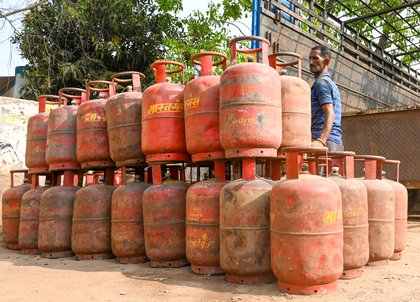
The concern around Bihar LPG supply concerns emerged after residents in several districts reported delays in cylinder deliveries and long queues outside gas agencies. State officials acknowledged that supply constraints had been observed in certain locations but stressed that authorities are working with oil companies and central agencies to stabilise availability. The state government has directed district administrations to closely monitor LPG distributors, conduct inspections at storage points, and ensure that essential household fuel reaches consumers without disruption. Law enforcement agencies have also been asked to remain alert for signs of illegal stockpiling or diversion of domestic cylinders into commercial markets. Officials say that preventing artificial scarcity is critical in maintaining stable supply chains.
Panic buying or deliberate hoarding can quickly distort distribution systems, particularly in densely populated states where LPG remains the primary cooking fuel for millions of households. Authorities have warned that any individuals or dealers found engaging in black marketing could face legal action under provisions governing essential commodities and public supply systems. The enforcement push is designed to ensure that cylinders are delivered through authorised channels and at official prices. Energy market analysts note that the Bihar LPG supply concerns are part of a wider national situation shaped by fluctuations in global energy markets. India imports a large share of its natural gas requirements, making domestic supply sensitive to geopolitical disruptions and international shipping constraints.
Recent tensions affecting global fuel logistics have prompted the central government to prioritise LPG availability for households and transport sectors while adjusting allocation of natural gas across industries. Officials have also indicated that domestic LPG production has been increased to help offset supply pressures. Within Bihar, district administrations have begun holding coordination meetings with gas distributors and marketing companies to review stock levels and delivery schedules. Authorities are also urging consumers not to make multiple bookings or stockpile cylinders beyond normal usage patterns, as such behaviour can strain already stretched supply networks.
Urban planners point out that cooking fuel availability is an often overlooked element of urban resilience. In rapidly growing cities and peri-urban areas, uninterrupted access to household energy is essential for maintaining everyday economic activity—from street food vendors and small eateries to households dependent on subsidised LPG connections. Ensuring transparent distribution systems also has broader governance implications. When supply chains are closely monitored and digital booking systems function effectively, cities are better equipped to manage essential services during periods of economic or geopolitical uncertainty.
For now, officials say the focus remains on stabilising supply and preventing speculation within the distribution network. As monitoring intensifies across districts, authorities expect the situation to normalise once logistics disruptions ease and routine supply cycles resume.