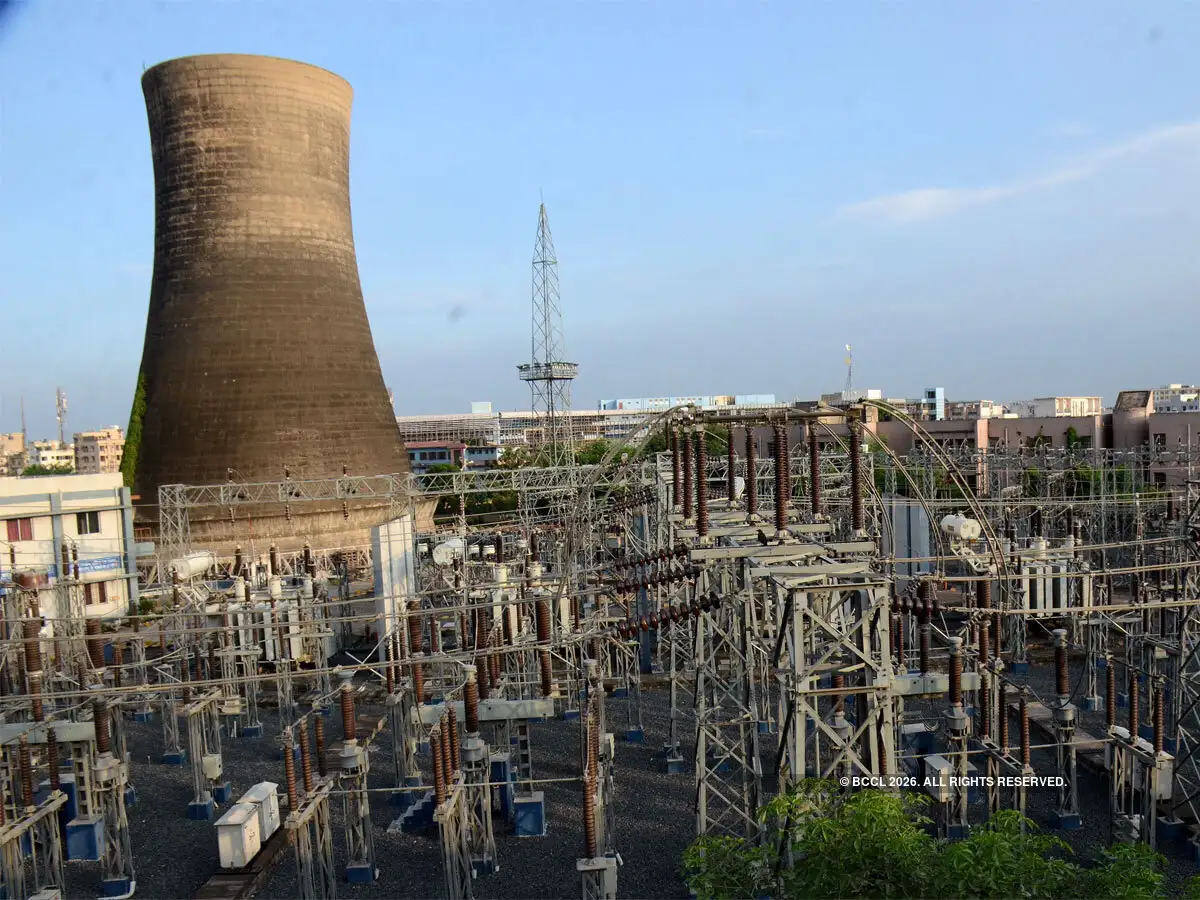
A key gas-based power station supporting Bengaluru’s electricity network is preparing to suspend operations after its fuel supply was halted, prompting authorities to activate alternative energy sources to maintain stability in the city’s power grid.
The facility, located in the Yelahanka area of north Bengaluru, has been generating electricity for the metropolitan grid as a backup resource during periods of high demand. With natural gas deliveries now paused, the plant will temporarily cease production, forcing energy managers to rely on other generating sources to ensure uninterrupted supply for households and businesses.Energy officials say the plant has been contributing hundreds of megawatts of electricity daily to the city’s distribution network since becoming operational in recent years. Gas power plants typically serve as flexible generation assets capable of ramping up output quickly when electricity demand rises, making them particularly useful during seasonal consumption peaks.Bengaluru’s electricity consumption usually increases between the winter and early summer months, when cooling demand grows and commercial activity remains high. Grid planners often rely on fast-start gas plants during this period to balance fluctuations in demand that cannot always be met by slower conventional power stations.According to officials familiar with the situation, the halt in gas supply is linked to broader constraints in fuel availability. Energy providers are understood to be prioritizing supply to essential sectors such as domestic consumers and fertilizer production, as well as other industries with critical energy needs.
While the temporary shutdown of the Yelahanka facility removes a portion of flexible generation capacity from the grid, energy administrators maintain that contingency arrangements are already in place. These include purchasing additional electricity from other states and relying more heavily on existing thermal, hydroelectric and renewable energy sources to meet demand.Power sector experts note that India’s urban electricity networks increasingly rely on a diverse mix of generation technologies to ensure reliability. Gas plants, coal-fired stations, hydro power projects and solar installations all play distinct roles in maintaining balance within regional grids.In Bengaluru’s case, the electricity distribution network also benefits from growing renewable energy capacity, particularly solar power. During daytime hours, renewable generation can offset some of the demand pressures typically handled by gas-based plants.However, analysts caution that interruptions in fuel supply highlight the importance of long-term planning for urban energy security. Cities experiencing rapid population growth and expanding technology sectors require robust and flexible power infrastructure capable of adapting to sudden supply disruptions.Urban energy planners are increasingly exploring strategies that combine diversified power generation with improved storage technologies and demand management systems. Such approaches could help metropolitan regions maintain reliable electricity supply while gradually transitioning toward lower-carbon energy sources.
For Bengaluru, the current adjustment in the power mix serves as a reminder that resilient urban infrastructure depends not only on expanding capacity but also on ensuring stable fuel supply chains and adaptable energy planning for the future.
Bengaluru Grid Adjusts After Gas Plant Shutdown.