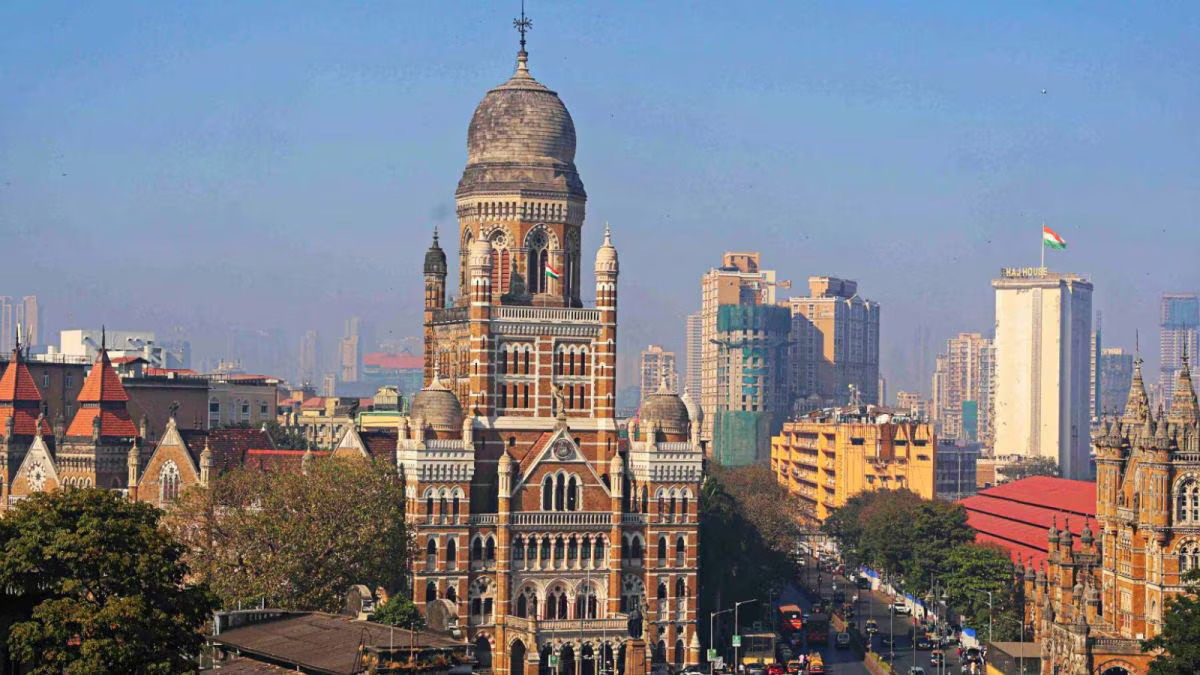
Efforts to secure long-term drinking water supplies for Mumbai have gained momentum as municipal authorities prepare to place a multi-billion-rupee proposal for the Mumbai Gargai Dam project before the civic standing committee for approval. If cleared, the plan would mark one of the city’s largest water infrastructure initiatives in more than a decade, aimed at addressing rising urban demand driven by population growth and expanding metropolitan development.
Officials from the Brihanmumbai Municipal Corporation have sought administrative approval for an estimated ₹5,396 crore for the project. The figure includes taxes, escalation in material costs, and two years of operational and maintenance provisions, making the proposal significantly larger than the base construction estimate. According to civic administrators, two major infrastructure contractors have submitted bids to build the dam and associated works. The quoted bids exceeded the corporation’s earlier internal estimate, prompting revisions in the overall financial approval being sought. The proposed budget incorporates statutory taxes, contingency allowances, and project-related cost escalations.
The Mumbai Gargai Dam project is planned on the Gargai River near Ogde village in the Wada region of Palghar district. Engineering plans indicate that the structure would stand roughly 69 metres high and extend close to a kilometre in length. The project also includes tunnelling infrastructure to link the reservoir to the existing Modak Sagar water system, strengthening integration with the city’s broader supply network. Beyond the dam structure itself, the project blueprint includes a small hydroelectric generation facility and road realignment works where construction could affect existing transport corridors. Officials estimate that the construction phase could take nearly four years, excluding interruptions during the monsoon season.
The financial proposal also accounts for social and environmental mitigation measures. Rehabilitation of residents from several affected villages has been budgeted separately, alongside an ambitious plan to transplant hundreds of thousands of trees that may be impacted by the reservoir footprint. These measures form part of regulatory requirements linked to large water infrastructure developments. At present, Mumbai’s municipal system distributes roughly 4,000 million litres of water per day, while daily demand is estimated to exceed 4,500 million litres. Long-term projections suggest the city’s requirement could rise sharply over the next two decades due to urban expansion and transmission losses across the distribution network.
Municipal planners view the Mumbai Gargai Dam project as one element of a broader water security strategy. Additional projects under consideration include other reservoir developments and inter-basin river link initiatives intended to increase supply capacity across the wider metropolitan region. However, some urban policy analysts caution that large reservoir projects can also raise complex questions about regional water equity and ecological impacts. As Mumbai strengthens its supply systems, neighbouring districts within the Mumbai Metropolitan Region face their own water stress challenges, making balanced regional planning critical.
For city administrators, the upcoming committee decision represents a key milestone. If approvals proceed, detailed implementation planning for the Mumbai Gargai Dam project could begin, potentially shaping the next phase of the city’s long-term water infrastructure strategy.
BMC Gargai Dam Plan Targets Future Water Demand