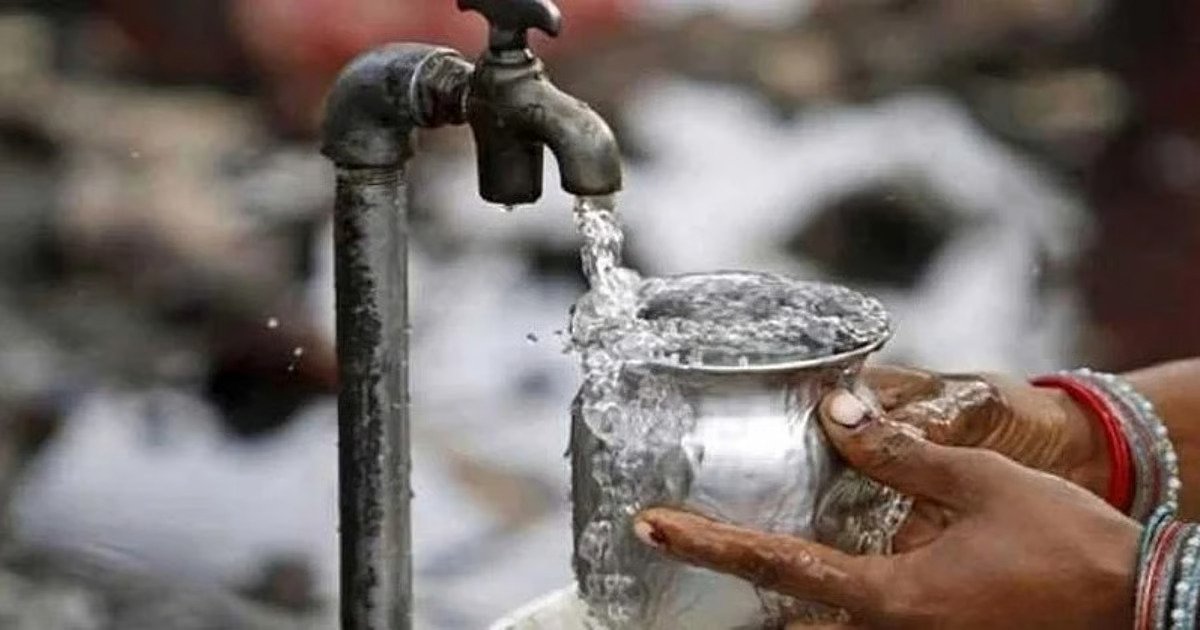
Residents of Kamothe’s Sector 36 have raised alarm over an escalating water shortage, calling for immediate infrastructural interventions to meet the growing demand. A joint meeting convened on Thursday brought together representatives from 25 housing societies, social activists, local elected officials, and the City and Industrial Development Corporation (CIDCO) to address the persistent water supply gaps affecting the area.
The meeting, held at a central housing society, highlighted that current water provision—approximately 38–39 million litres per day (MLD)—falls short of the estimated requirement of 45–48 MLD. Residents emphasised that inadequate pressure and irregular distribution exacerbate daily hardships, impacting households’ access to basic drinking and domestic water. CIDCO officials acknowledged the challenge but suggested that better regulation of supply pressure could partially meet demand at around 40 MLD, leaving a residual deficit. Urban planners and civic experts point to Kamothe’s rapid population growth since 2017 as a key driver of the shortfall. Residential development has surged over the past decade, yet water infrastructure has not scaled proportionately. The locality currently relies on a single reservoir, which stakeholders argue is insufficient for the population density and projected growth. Residents at the meeting demanded the construction of at least two additional reservoirs to ensure reliable supply and long-term resilience.
The shortage has broader implications for sustainable urban development. Experts note that water scarcity in fast-growing satellite townships can undermine quality of life, reduce housing desirability, and increase reliance on private water sources, which often incur additional costs and energy consumption. Equitable access to public water is also essential for inclusive urban planning, particularly in areas with high residential density. Residents expressed frustration that substantial investments in housing have not been matched by adequate civic services. Several societies reported receiving only 52–54 units of water, highlighting the gap between infrastructure capacity and actual demand. Civic activists stressed that such deficits not only inconvenience households but also increase pressure on local water supply networks, raising concerns about system sustainability during peak summer months.
Moving forward, authorities are expected to review proposals for reservoir expansion, enhanced distribution management, and supplementary water storage solutions. Urban planners and social activists emphasise that coordinated action between developers, municipal bodies, and local committees is critical to preventing recurring shortages and building climate-resilient, people-focused water infrastructure.
Kamothe Residents Demand Additional Water Reservoirs Urgently