Surat Green Express Highway To Transform Long Distance Travel
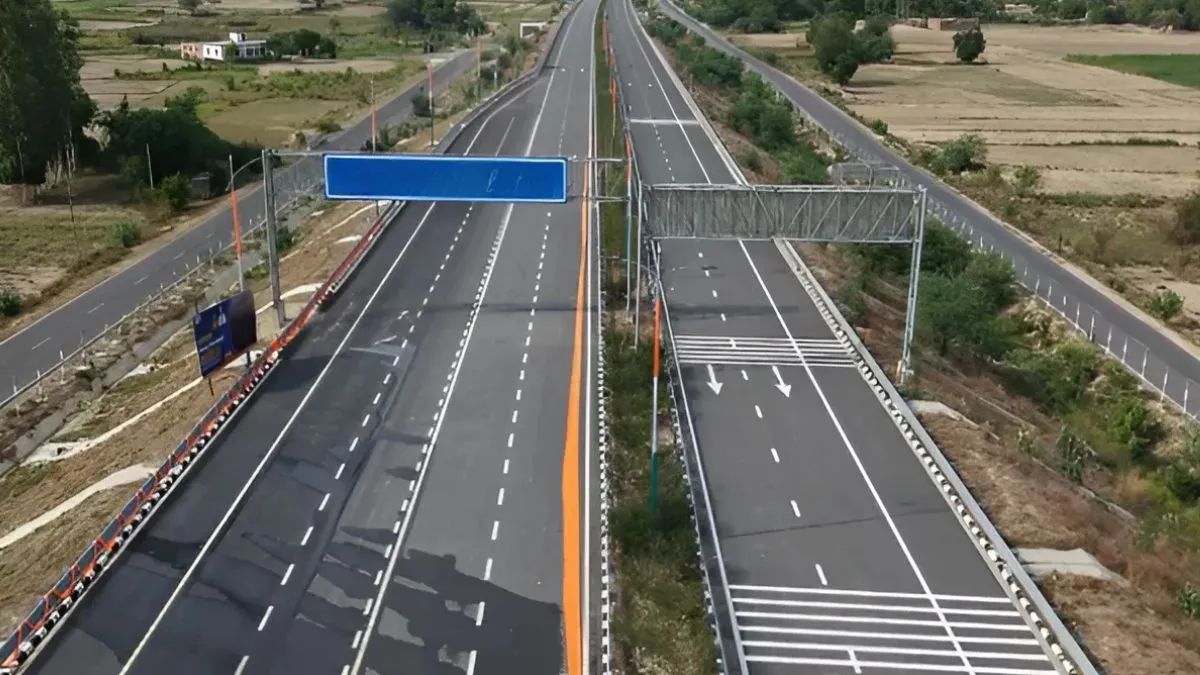
Uttar Pradesh is preparing to expand its high-speed road network with the development of the Lucknow Link Expressway, a new access-controlled corridor designed to connect two of the state’s major expressways and streamline travel between eastern districts and the national capital region. The project, expected to span roughly 50 kilometres, is intended to close a critical gap in the state’s rapidly evolving highway grid and support faster regional mobility.
Transport planners say the proposed route will serve as a strategic connector between the Agra–Lucknow Expressway and the Purvanchal Expressway, creating a seamless link for vehicles moving across eastern and central Uttar Pradesh. By integrating these corridors, the Lucknow Link Expressway could enable uninterrupted high-speed travel towards Delhi through existing expressway networks, reducing the need for vehicles to pass through congested urban roads. State authorities estimate the project will require an investment of nearly ₹4,775 crore. It is expected to be developed as a six-lane greenfield expressway, meaning it will be built on newly acquired land using modern highway design standards. Officials involved in infrastructure planning note that provisions are being made for future expansion to eight lanes, anticipating rising traffic volumes as industrial and logistics activity grows across the region. The corridor is part of a broader push by the state government to create an integrated network of high-capacity expressways linking key economic zones. Over the past decade, several major projects have emerged across Uttar Pradesh, including long-distance corridors serving the Purvanchal, Bundelkhand and western regions. Together, these routes are reshaping travel patterns, reducing journey times, and opening new areas for economic activity.
Urban planners suggest that the Lucknow Link Expressway could play an important role in strengthening logistics efficiency across eastern Uttar Pradesh. Faster road connectivity allows goods to move more quickly between agricultural markets, industrial clusters and metropolitan consumption centres. Lower travel times can also help reduce fuel consumption and transport costs, factors increasingly relevant as cities seek to balance economic growth with environmental considerations. Improved highway connectivity is also expected to influence real estate and land use patterns along the corridor. Infrastructure investments of this scale often attract warehousing facilities, manufacturing units and township developments near expressway interchanges. However, experts emphasise the need for careful planning to ensure that such growth remains environmentally responsible and aligned with long-term urban sustainability goals. From a mobility perspective, the expressway could significantly shorten journeys between Lucknow, eastern districts of the state and the Delhi–NCR region. By providing an uninterrupted route through interconnected expressways, the corridor is expected to ease pressure on traditional highways and urban arterial roads.
As construction planning advances, infrastructure specialists note that the success of the project will depend not only on engineering execution but also on integrating transport infrastructure with broader regional planning. Done effectively, the Lucknow Link Expressway could become a key element in shaping a more efficient and interconnected transport system across northern India.
Lucknow Link Expressway to Ease Delhi Travel Times