Chennai Metro Phase 2 Elevates Station Design Strategy
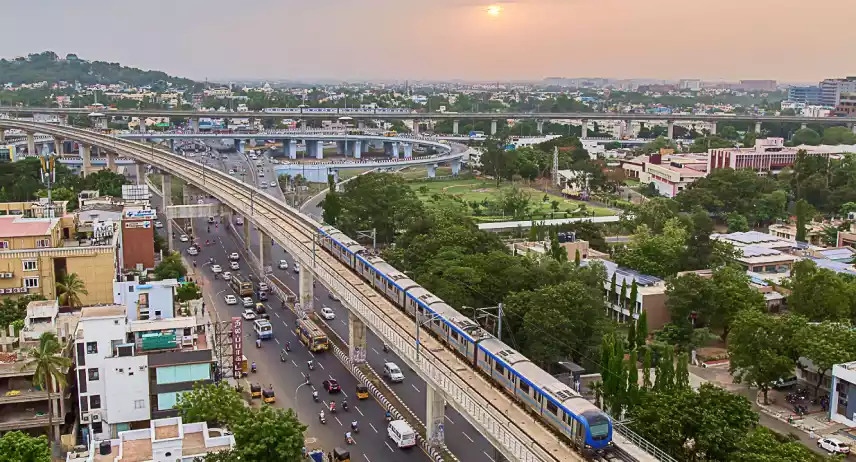
Chennai’s urban transit landscape is set for a strategic upgrade as the city’s metro authority commissions detailed design work for three elevated stations on Phase-2’s Corridor-5. The assignment, covering station access and linked property development, signals a shift toward multifunctional transport hubs that combine mobility, commercial activity, and urban integration.
The consultancy focuses on Shastri Nagar, Velmurugan Nagar, and Thirumangalam stations, where planners will develop entry and exit structures alongside integrated property spaces. By merging station functionality with urban real estate opportunities, the metro authority aims to improve passenger circulation, enhance accessibility, and generate non-fare revenue streams. Industry experts note that such measures are increasingly important as Indian metro systems explore sustainable financial models while addressing growing ridership. Urban planners highlight that integrating property development with transport infrastructure can create vibrant public spaces that extend the benefits of metro expansion beyond commuting. “Designing stations as urban nodes rather than mere transit points encourages social interaction, commercial activity, and inclusive accessibility,” observed a senior urban development consultant.
In Chennai, where Phase-2 corridors are expected to witness rising footfall, this approach could redefine neighbourhood connectivity and economic activity around transit zones. The consultancy’s scope includes architectural and structural planning for station facilities, ensuring seamless movement between platforms, concourses, and commercial areas. Detailed designs will address functional integration, accessibility for all users, and compliance with contemporary urban infrastructure standards. The 150-day project timeline underscores the city’s push to accelerate Phase-2 planning and implementation, aligning with broader efforts to embed climate resilience and sustainable urban design into transport projects.
From an economic perspective, linking stations with commercial development allows transit authorities to diversify revenue sources. The integration of retail, office, and community spaces can enhance financial sustainability, reduce dependence on fare collections, and support equitable urban growth. At the same time, environmental planners stress that careful design can mitigate the carbon footprint of new infrastructure, improve energy efficiency, and promote public transport adoption over private vehicles. As Chennai’s metro network expands, Corridor-5’s integrated stations will serve as a test case for transit-oriented development in the region. Beyond functional efficiency, the initiative reflects growing urban priorities: inclusive mobility, economic opportunity around transit hubs, and the creation of resilient, people-centred public spaces. Future phases may replicate these design principles, making Chennai a reference point for sustainable metro infrastructure in India.