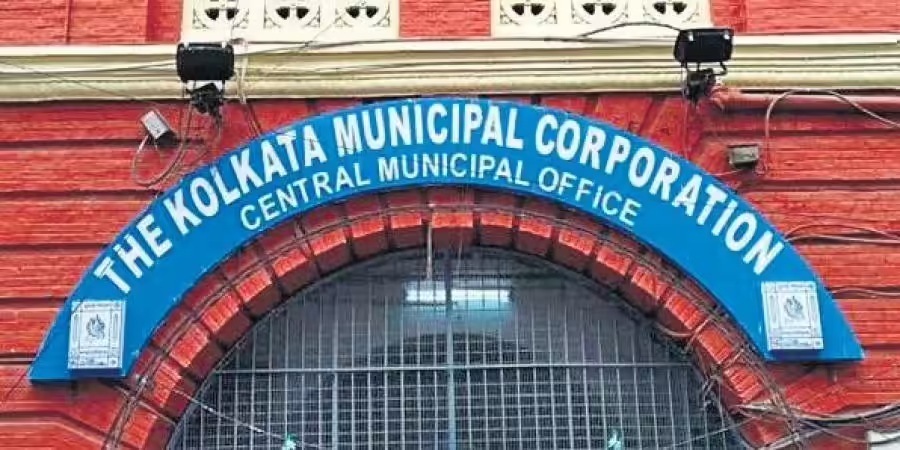
Kolkata Property Tax Enforcement Hits Central Arcade
A municipal enforcement drive in central Kolkata has temporarily shut several retail outlets inside a commercial arcade near the city’s civic headquarters, highlighting growing pressure on traders to settle long-pending property tax dues and raising broader questions about compliance in one of the city’s busiest commercial districts.
Officials from the assessment wing of Kolkata Municipal Corporation carried out the action at a shopping complex along Surendranath Banerjee Road, where multiple retail units were found to have accumulated outstanding municipal taxes. The civic body moved to seal several establishments after issuing distress warrants against shop owners who had failed to clear property tax dues despite earlier notices. Municipal authorities indicated that the commercial complex alone accounts for several crore rupees in unpaid tax liabilities. The action forms part of a broader push by the city administration to improve municipal revenue collection, particularly from commercial real estate in central business areas.
The enforcement move initially disrupted trading activity in the arcade, which sits close to major commercial zones including New Market and the retail corridors around Lenin Sarani. Traders and shop operators were caught unprepared by the sudden inspection and sealing exercise, according to officials familiar with the operation. However, municipal sources said some shop owners responded by making partial payments during the day, allowing civic teams to reopen a few of the sealed units after receiving a portion of the outstanding property tax dues. Authorities have given remaining defaulters a deadline later this month to clear their liabilities, failing which further enforcement action may follow.Urban finance experts note that property taxation remains a critical revenue stream for Indian cities, funding services ranging from waste management and street maintenance to climate-resilient infrastructure upgrades.
Yet compliance gaps particularly in older commercial clusters continue to challenge municipal administrations. “Commercial markets often generate significant turnover but municipal tax payments do not always keep pace,” said an urban policy analyst familiar with civic finance in eastern India. “Improving compliance is essential if cities are to maintain infrastructure and invest in modern urban systems.” The civic body has signalled that similar inspections may extend to other retail hubs where tax arrears remain high. Officials involved in the operation said several market complexes in central Kolkata are already under review as part of a data-driven audit of outstanding municipal revenues. For a city balancing heritage retail districts with growing demands for better infrastructure and climate-resilient services, strengthening property tax compliance is increasingly viewed as a key pillar of sustainable urban governance. Municipal authorities say enforcement will continue alongside outreach to traders and property owners to encourage timely payments and prevent further disruptions to business activity.