


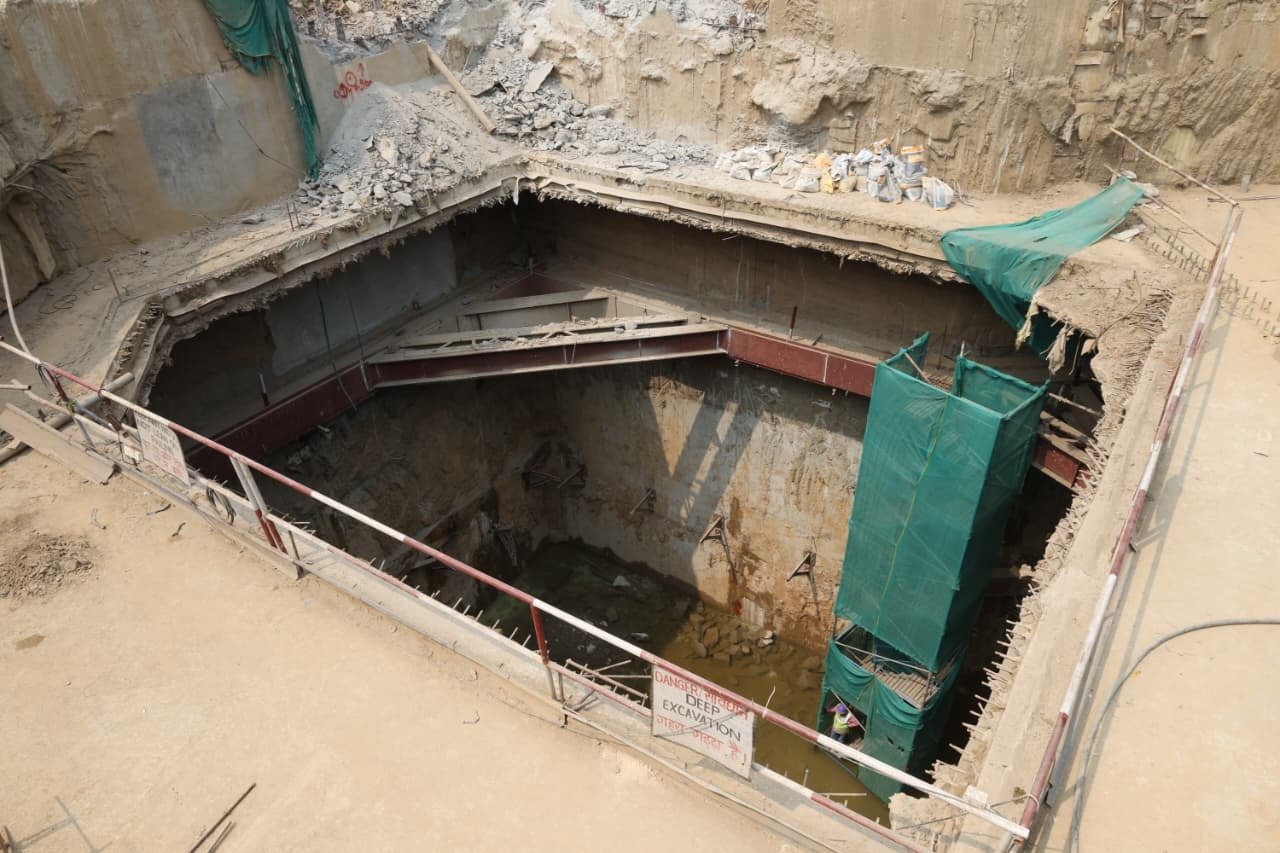
Patna is preparing to undertake a major cultural infrastructure initiative with the construction of an underground pedestrian tunnel linking two of the city’s most prominent museums. The project, valued at approximately ₹542 crore, is expected to improve visitor movement between the institutions while strengthening the city’s cultural tourism ecosystem. The proposed passage will run beneath a key urban corridor near Hartali Mor along Nehru Path, creating a direct connection between the Bihar Museum and the Patna Museum. Urban development officials say the Patna museum tunnel project is intended to provide safer and more convenient access for visitors while reducing surface-level congestion around the busy cultural precinct.
City planners view the development as part of a broader effort to enhance Patna’s cultural infrastructure and attract greater tourism investment. By linking the two museums through a dedicated underground corridor, authorities aim to create a unified heritage circuit that encourages visitors to explore both sites within a single visit. Officials involved in the planning say the underground structure will be designed to accommodate large visitor volumes, particularly during peak tourism seasons and school holidays when footfall at cultural institutions tends to increase. The corridor will also incorporate safety systems, pedestrian-friendly design features and accessibility provisions for diverse visitor groups. The Patna museum tunnel project is being positioned as more than just a transit link. Urban design experts note that cultural infrastructure projects can play an important role in city branding and economic activity. When museums and heritage sites are integrated through well-planned public spaces, they often stimulate nearby hospitality, retail and creative industries. Alongside the tunnel construction, authorities are reviewing supporting urban amenities in the surrounding area. Plans are underway to expand parking capacity and improve visitor facilities to accommodate anticipated growth in tourism. Officials say these improvements are necessary to ensure that infrastructure around the museum precinct keeps pace with rising visitor numbers.
Urban economists point out that investments in cultural districts can generate long-term economic benefits for cities. Improved accessibility to heritage attractions often increases tourism spending, supports local businesses and strengthens the city’s cultural identity. During a review of the museum complex, senior officials also assessed plans for additional development in nearby areas, including residential facilities intended to support the functioning of the broader cultural campus. Authorities emphasised the importance of completing these complementary projects in parallel to avoid infrastructure bottlenecks once the corridor becomes operational. Urban planning specialists say the success of projects such as the Patna museum tunnel project will depend on careful integration with the city’s mobility network and public spaces. Well-designed pedestrian infrastructure can encourage sustainable movement within dense urban areas, reducing dependence on short vehicle trips between nearby destinations.
As construction preparations move forward, the initiative signals a shift toward more integrated urban design within Patna’s cultural landscape. If executed effectively, the underground connection could transform the museum district into a more cohesive visitor destination while strengthening the city’s growing cultural tourism economy.
Patna Underground Tunnel To Link Major Museums
