Jaipur’s UNESCO Walled City Faces Sanitation Complaints
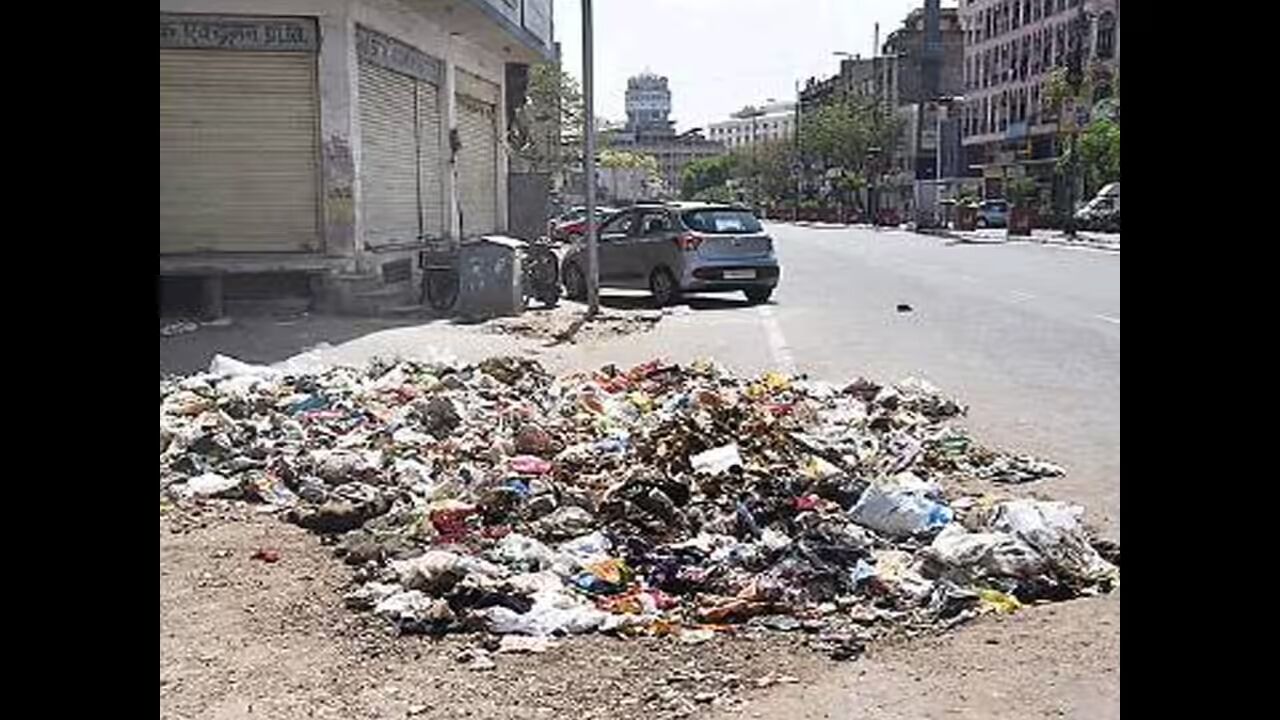
Garbage accumulation in several narrow lanes of Jaipur’s historic Walled City has raised fresh concerns about sanitation management, with residents and traders saying that waste collection remains irregular despite claims by the Jaipur Municipal Corporation (JMC) of maintaining cleanliness in the heritage area.
According to local residents, while major roads in the Walled City appear relatively clean—especially after festival-related cleaning drives—many interior lanes continue to suffer from uncollected garbage. Localities such as Khazane Walon Ka Rasta, Tikki Walon Ka Rasta, Indira Bazaar and Baba Harishchandra Marg have reported visible piles of waste along the narrow streets. The issue became particularly noticeable following the Holi festival, when sanitation teams reportedly focused on cleaning main thoroughfares but failed to consistently clear garbage from residential lanes. Residents say that waste often remains unattended for days, creating foul smells and obstructing movement in the already congested lanes of the heritage city.
Traders in the area say the sanitation gaps are affecting business activity. Shopkeepers complain that the stench from accumulated garbage discourages visitors and reduces customer footfall in market streets that are otherwise popular with shoppers and tourists. Local residents have also pointed out irregularities in garbage collection services. According to them, municipal garbage vehicles sometimes skip certain lanes even when residents bring waste to designated collection points. In some areas, the garbage hoppers arrive at inconsistent times, making it difficult for households to dispose of waste properly. The sanitation concerns are particularly significant because Jaipur’s Walled City holds UNESCO World Heritage status and is a major tourism hub.
Civic activists warn that persistent cleanliness issues could damage the historic district’s image and potentially affect the city’s performance in national cleanliness rankings such as the Swachh Survekshan survey. Municipal officials have acknowledged the complaints and said steps are being taken to improve monitoring. Reports indicate that disciplinary action has already been taken against more than 25 sanitation workers across multiple zones after lapses in waste collection were reported following Holi. In response to the growing concerns, officials have said that stricter supervision will be implemented.
Senior officers may accompany garbage collection vehicles during their rounds to ensure that waste is properly collected from interior lanes as well as main roads. Urban governance experts say heritage areas require specialised sanitation strategies because of their narrow lanes, high population density and heavy tourist footfall. Without consistent waste management, they warn, sanitation problems can quickly escalate into public health risks and damage the cultural appeal of historic districts.