


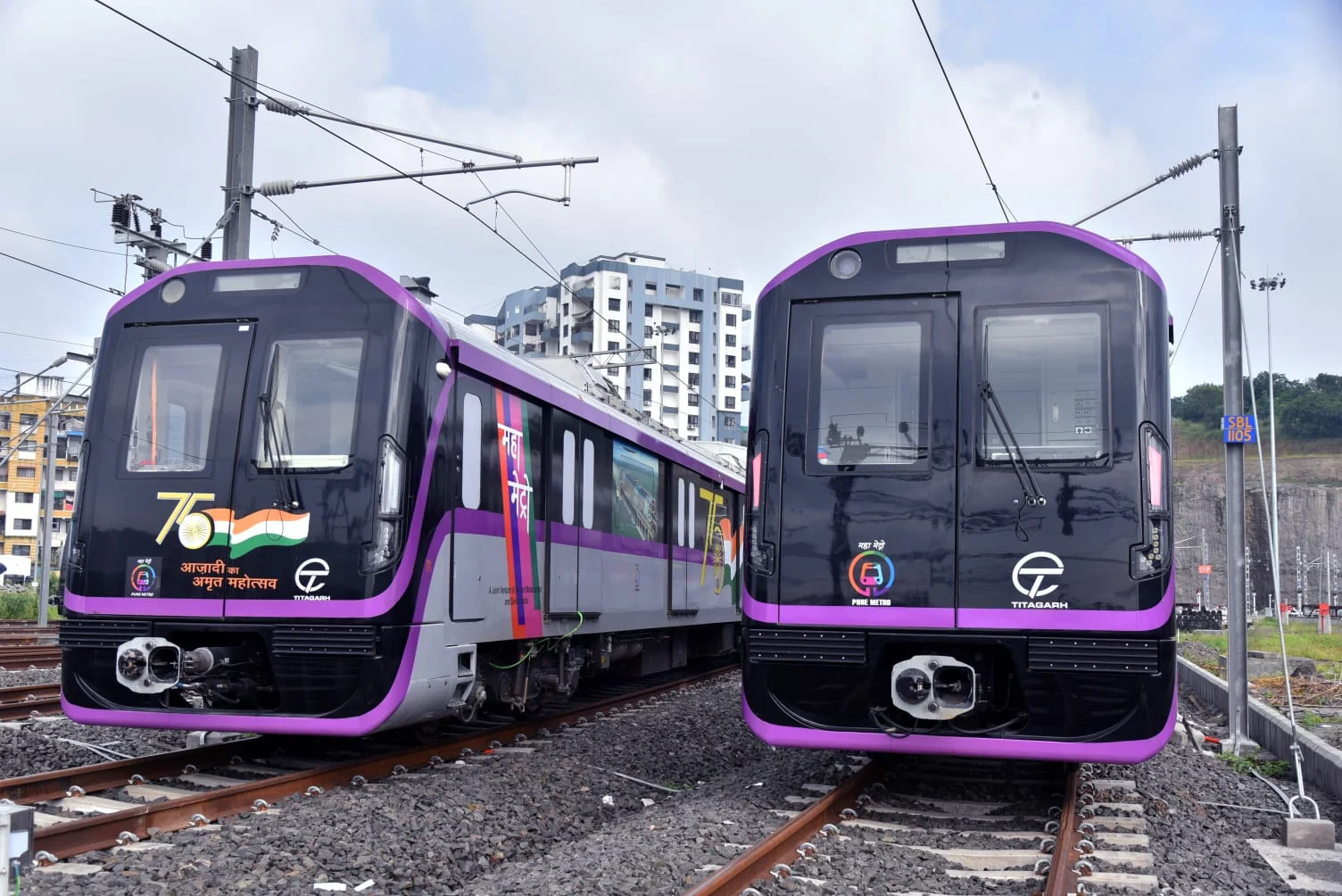
Pune’s urban transit network is set for a major upgrade as key corridors under the Phase-II metro expansion are expected to receive renewed momentum. State authorities have proposed several new alignments designed to connect the city’s historic core with rapidly developing suburban and peri-urban areas. If executed on schedule, these lines could significantly improve mobility for thousands of daily commuters while supporting Pune’s wider urban growth ambitions.
Among the proposed routes, the Khadakwasla–Swargate–Hadapsar–Kharadi corridor emerges as a crucial north-south spine, linking established residential and commercial hubs to emerging IT and industrial zones. Additional lines from Hadapsar to Loni Kalbhor and Hadapsar to Saswad Road are planned to integrate outer-city regions with the central transport grid. Transport sector experts note that these expansions are intended not just to alleviate congestion, but to facilitate balanced urban development and encourage public transport adoption in rapidly urbanising areas.Urban planners highlight that Phase-II’s focus on connectivity between old city pockets and new developments addresses a long-standing mismatch in Pune’s mobility infrastructure. While Phase-I primarily served high-density central corridors, the upcoming lines aim to integrate residential clusters, industrial nodes, and IT parks that have grown outside the traditional city core. By connecting these zones, the expansion can reduce private vehicle dependence, cut traffic congestion, and improve last-mile access for commuters.From an economic perspective, the Metro expansion is expected to stimulate real estate and commercial investment along the new alignments. Studies indicate that property values often rise in proximity to mass transit corridors, and improved accessibility can encourage local entrepreneurship and services. Experts also caution that construction schedules must consider traffic management, environmental safeguards, and community engagement to ensure long-term sustainability and public support.
The plan’s timely execution is particularly significant given broader regional uncertainties, including potential disruptions in global fuel and logistics markets due to geopolitical tensions such as the Israel-Iran conflict. Reliable urban transit infrastructure could mitigate economic risks associated with oil price volatility, fuel supply disruptions, and increased freight costs by reducing reliance on private vehicles.City officials stress that detailed feasibility studies and funding allocations are underway, with priorities including safe pedestrian access, integration with existing transport networks, and climate-resilient infrastructure design. Analysts suggest that success in Pune could serve as a replicable model for expanding metro systems in other mid-sized Indian cities, balancing urban growth with sustainable mobility.
Pune Metro Expansion Gains Momentum Under Phase II
