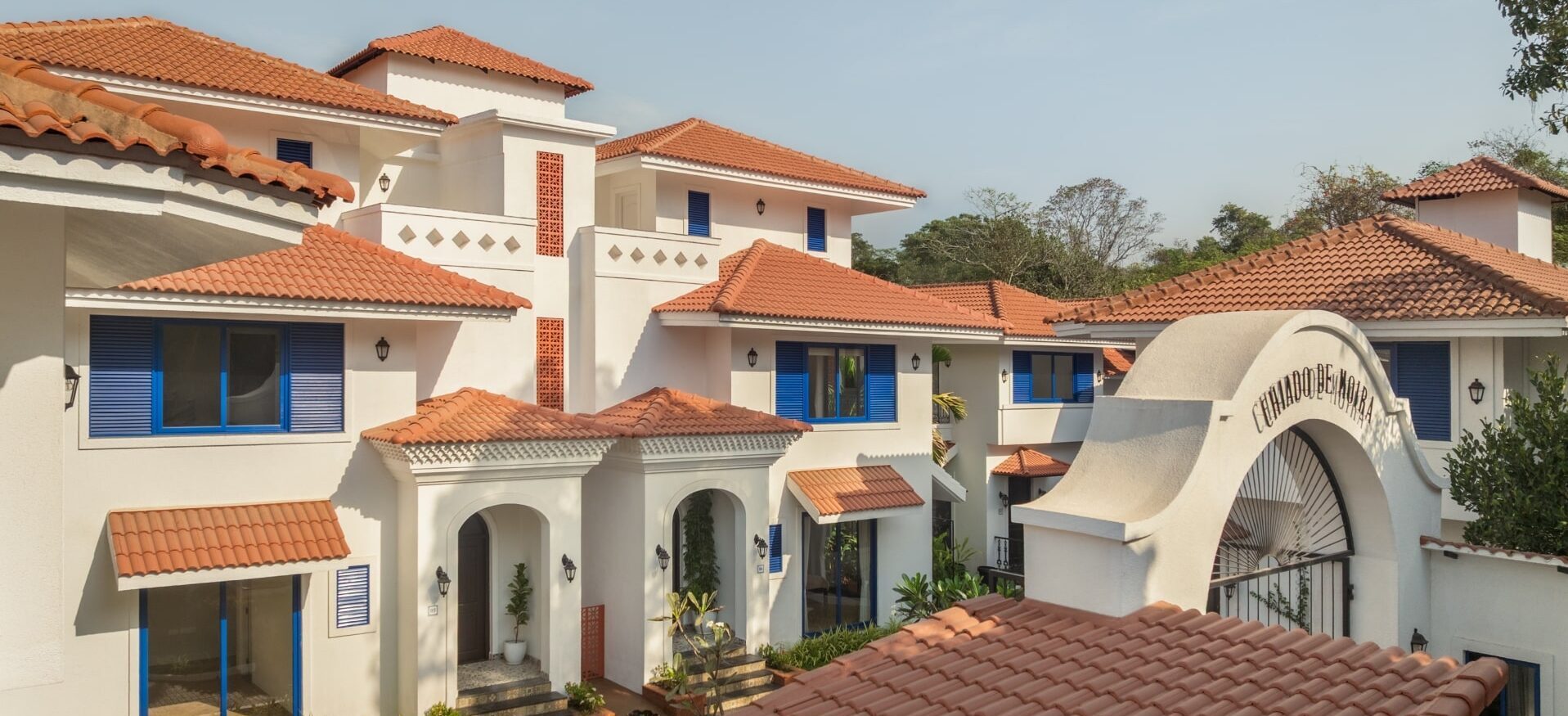
India’s top court has temporarily stopped further construction linked to a contested residential development along Goa’s southern coastline, intensifying scrutiny of planning compliance in rapidly urbanising tourist districts. The order requires authorities and project stakeholders to maintain the present status of land possession and on-site activity at the Mormugao housing project, effectively halting any expansion until the legal challenge is examined.
The directive follows a petition filed by a local civic activist who approached the apex court after an earlier challenge was dismissed by the regional high court. The petitioner alleged that the project received development approvals despite multiple procedural and environmental concerns, including land modification and infrastructure requirements that may not have met statutory norms. At the centre of the dispute are claims that the Mormugao housing project involved hillside alterations and land-use changes that allegedly moved beyond the originally permitted residential classification. Urban planning experts say such changes, when not transparently reviewed, can undermine coastal land management frameworks that are meant to balance development with ecological safeguards.
Another critical issue raised in the petition relates to road accessibility.
According to records cited in the case, the site may not have had the minimum width of access road mandated under local planning regulations. A field report by a revenue official had earlier indicated that the approach road was narrower than the standard required for large residential developments. Planning professionals note that access infrastructure plays a central role in development approvals, particularly in coastal and hillside towns where evacuation routes, emergency access and stormwater management depend heavily on properly designed road networks. “Road width requirements are not merely technical parameters; they are tied to safety, mobility and urban resilience,” said an urban infrastructure consultant familiar with planning regulations in coastal states.
The earlier high court decision had declined to intervene largely because the project approvals dated back several years and construction was already at an advanced stage when the petition was filed. However, the latest move by the Supreme Court indicates that broader legal questions surrounding planning oversight and administrative accountability remain open for examination.
Authorities responsible for urban planning in the district, including the state’s town planning department and the regional planning body, have now been asked to respond to the court’s notice. The court’s interim direction ensures that neither construction progress nor ownership patterns at the site change while the matter is under review.
The case arrives at a time when Goa’s development trajectory is under increasing scrutiny. Rapid real estate growth driven by tourism, migration, and second-home demand has placed pressure on fragile coastal landscapes and urban infrastructure systems. Urban policy observers say disputes like the Mormugao housing project case highlight the need for stronger verification mechanisms in planning approvals and more transparent monitoring of on-ground compliance. As coastal cities confront climate risks and rising population density, governance systems that ensure accountable land development will become critical to maintaining both environmental stability and long-term urban liveability. The court will consider responses from planning authorities and other stakeholders before deciding the next course of action.
Goa Dispute Halts Mormugao Housing Project Build