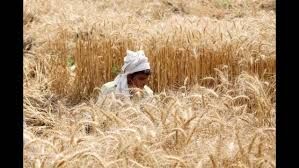
Early Heatwave Conditions Grip Punjab, Threaten Wheat Crop
Unusually high temperatures across Punjab have triggered concerns among agricultural experts and farmers as early heatwave-like conditions threaten the state’s standing wheat crop during a critical growth phase.
According to meteorological observations, all 23 districts of Punjab recorded maximum temperatures above 30°C, an unusually high level for early March when cooler weather typically persists across northwestern India. Weather officials noted that such temperature levels are generally observed toward the end of March or early April, making the current spike particularly significant. Agriculture experts warn that this early rise in temperature could adversely affect wheat, which is currently in the grain-filling stage in many parts of the state. Wheat is a winter crop that requires relatively cool conditions for optimal development, and sudden heat during this phase can accelerate plant maturity before grains are fully formed. This often leads to smaller grain size and reduced overall yield. Punjab plays a crucial role in India’s food security system and is often referred to as the country’s “granary.”
The state contributes a significant share of wheat production to the national food supply, making weather fluctuations during the rabi growing season particularly important for agricultural output. Farmers and agronomists say the current weather pattern is worrying because the crop is approaching a sensitive stage when high temperatures can shorten the grain-filling period. When this stage is compressed by heat stress, wheat kernels may not develop fully, leading to lower grain weight and diminished harvest quality. Agricultural researchers have advised farmers to adopt precautionary measures to mitigate the impact of rising temperatures. These include providing light irrigation to maintain soil moisture, applying protective nutrient sprays, and carefully monitoring crop conditions during the flowering and grain development stages.
Meteorologists attribute the warmer conditions to persistent dry weather and the absence of strong western disturbances that typically bring cooler winds and rainfall to northwestern India during late winter. Without these systems, clear skies allow more solar radiation to heat the land surface, pushing temperatures higher than seasonal averages. The development also aligns with broader national weather trends. Climate forecasts for India have indicated the likelihood of above-normal temperatures during the early summer months, raising concerns for several rabi crops including wheat, mustard and chickpeas. For Punjab’s agricultural economy, the coming weeks will be crucial. If temperatures continue to rise rapidly through March, farmers could face reduced yields, which may affect both regional incomes and the country’s wheat procurement levels.
While short-term weather fluctuations are common in north India, repeated early heat events in recent years have prompted discussions about climate resilience in agriculture. Strengthening irrigation management, crop diversification and heat-tolerant seed varieties are increasingly being explored as long-term strategies to safeguard food production.