Patna Energy Meeting Targets Power Sector Investment
Bihar is stepping up efforts to attract private capital into its electricity ecosystem, with state energy authorities hosting a strategic industry dialogue in Patna aimed at accelerating investment in generation, renewable energy and grid modernisation.
The interaction, organised by the state power utility in collaboration with an industry association, brought together senior government officials, power companies, technology providers and financial institutions to explore investment opportunities across the state’s energy infrastructure. The discussions focused on strengthening the Bihar power sector investment pipeline as electricity demand continues to grow alongside industrial and urban expansion. Participants examined opportunities in multiple segments of the energy value chain, including independent power projects, solar energy, hydropower, battery energy storage systems and transmission infrastructure. Smart metering technology and digital monitoring tools were also highlighted as potential areas for collaboration between utilities and private technology providers.
Industry representatives from more than a dozen energy and infrastructure companies participated in the meeting, reflecting rising interest from private firms in Bihar’s evolving electricity market. State officials indicated that expanding industrial activity, urbanisation and infrastructure development are driving higher electricity consumption, creating demand for both generation capacity and modern distribution systems. Energy planners noted that strengthening the power ecosystem has become a central pillar of the state’s broader economic strategy. Reliable electricity supply is increasingly seen as essential for manufacturing growth, logistics infrastructure and emerging digital industries that require stable energy access.
Recent improvements in the financial performance of power utilities have also begun reshaping investor perceptions. Distribution companies and the state transmission utility have reported improved balance sheets in recent years, while revenue collection from electricity consumers has grown significantly. During the same period, aggregate technical and commercial losses — a key indicator of operational inefficiency — have declined sharply, signalling improvements in network management and billing systems. Energy officials emphasised that these reforms are laying the groundwork for a larger round of Bihar power sector investment expected over the next several years. According to policy discussions shared during the meeting, the state is preparing long-term plans to expand generation capacity, modernise grid infrastructure and integrate cleaner energy sources into the power mix.
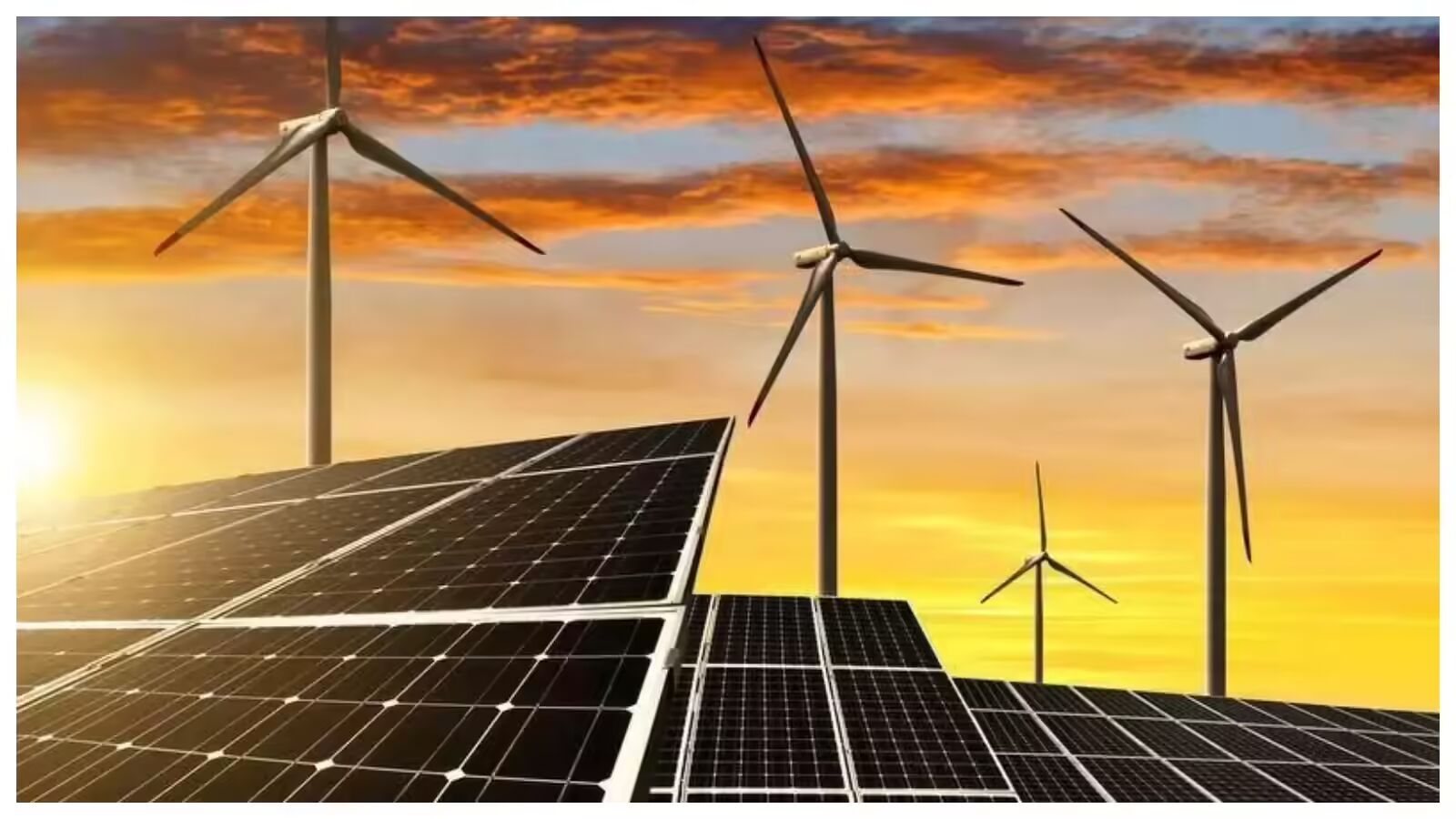
Renewable energy is likely to play a major role in this transition. Solar projects, battery storage systems and other low-carbon technologies are being explored as part of the strategy to meet rising demand while limiting the environmental footprint of new energy infrastructure. Urban planners and infrastructure specialists note that reliable electricity networks are becoming increasingly critical for city growth. Power availability influences everything from housing and commercial development to healthcare, digital services and public transport systems. For Bihar, which has seen rapid expansion in urban services and industrial clusters in recent years, strengthening the energy backbone could determine how effectively cities and regional economies scale in the coming decade.
The industry dialogue in Patna signals the beginning of a broader engagement process with investors and technology providers. If the proposed investments translate into projects on the ground, they could reshape the state’s electricity landscape and support more resilient, energy-secure urban growth.