


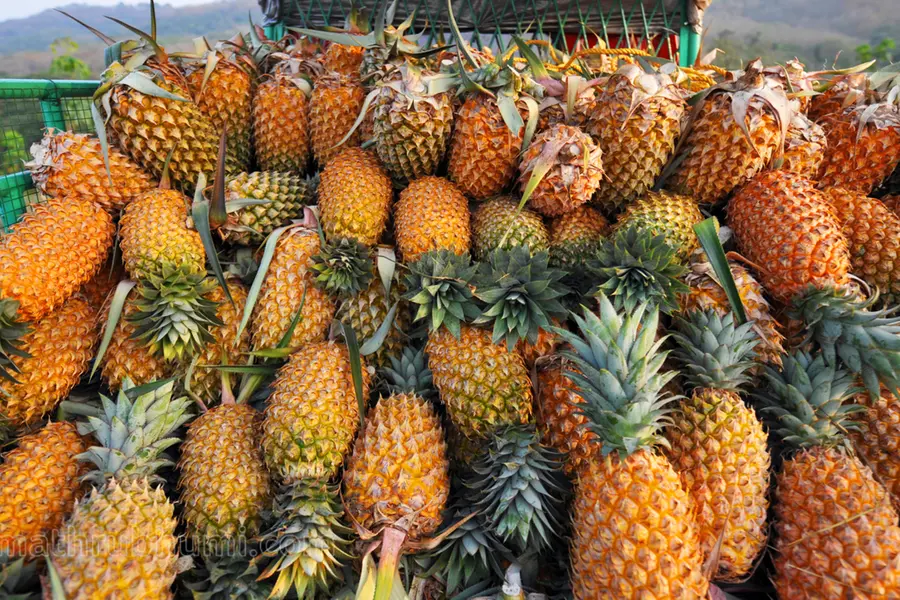
Kerala’s pineapple growers, particularly those cultivating the GI-tagged Vazhakulam variety, are confronting mounting uncertainty due to fluctuating market prices, extreme weather events, and rising input costs. Valued for its large size, sweetness, and distinctive aroma, this premium pineapple sees heightened demand across North India during the Ramzan and summer seasons. Yet farmers’ earnings remain inconsistent, often benefiting intermediaries rather than producers.
Recent market trends illustrate the volatility: three months ago, the garden price of pineapples fell to ₹18 per kg, significantly below the average production cost of around ₹35 per kg. Prices rebounded sharply to ₹62 per kg with the onset of seasonal demand, creating temporary gains but little assurance of long-term stability. Industry observers note that such erratic pricing cycles disrupt cash flow for smallholder farmers, undermining investment in inputs and sustainable farming practices.Rising cultivation costs further compound the challenge. Pineapple production relies on precise fertilisation, with farmers applying approximately 90 grams of a urea-potash-phosphate mix per plant during the rainy season. Fertiliser shortages are common, delaying planting schedules and reducing overall yield. Experts warn that the combination of high input costs and market unpredictability is pushing many farmers toward financial stress, threatening the viability of pineapple cultivation in key producing districts.Climate variability has emerged as an additional stressor. Farmers report increasingly erratic rainfall patterns, prolonged heatwaves, and unseasonal dry spells, all of which affect flowering, fruit set, and quality. Agricultural scientists emphasise that climate-resilient practices, such as drip irrigation, soil moisture monitoring, and integrated nutrient management, could mitigate some impacts, though these require upfront investment and technical training.
The situation underscores a broader challenge for Kerala’s horticultural economy: bridging the gap between smallholder producers and markets. Analysts suggest that developing collective marketing structures, price stabilisation mechanisms, and direct supply chains to major urban centres could help farmers retain a larger share of the value generated. Additionally, integrating climate-smart agricultural methods and ensuring timely access to quality inputs are seen as essential for sustaining production in a warming climate.For consumers, the fluctuations translate into inconsistent availability and cost of Vazhakulam pineapples, while farmers face ongoing uncertainty in planning and investment. Urban planners and agricultural economists argue that aligning local production with structured logistics, storage, and processing facilities would enhance both resilience and profitability.As Kerala’s pineapple sector navigates climatic and economic pressures, stakeholders highlight the need for coordinated policy support, technological adoption, and market integration to safeguard livelihoods, maintain supply, and ensure the sustainability of one of the state’s iconic horticultural products.
Kerala Pineapple Farmers Face Price and Weather Challenges
