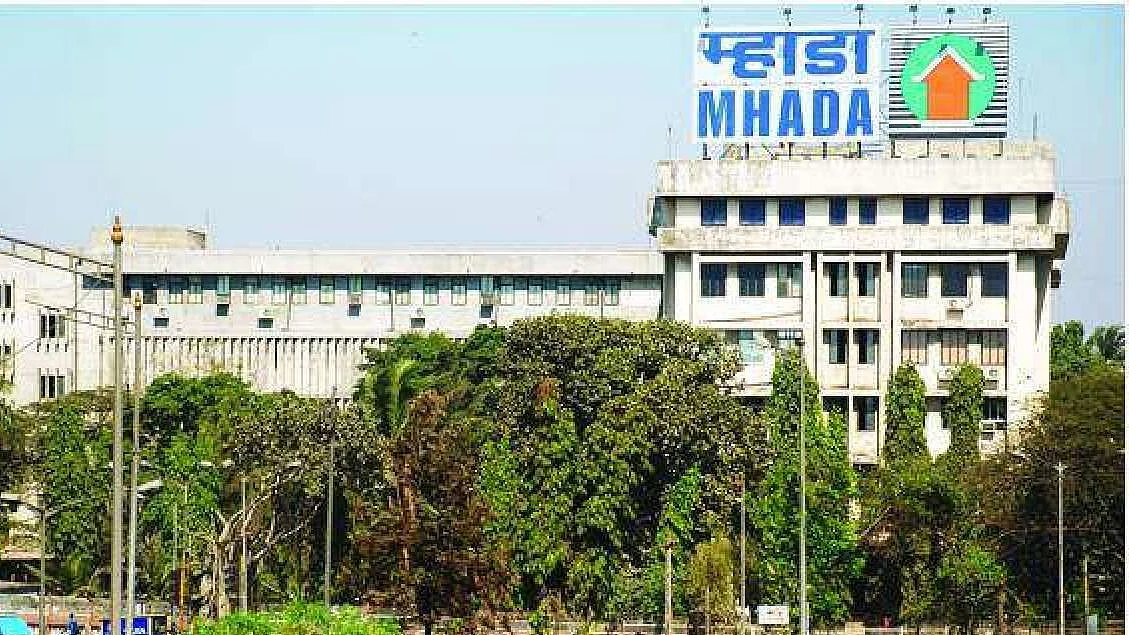
Mumbai is poised for a significant reshaping of its housing landscape as the Maharashtra Housing and Area Development Authority (MHADA) prepares to redevelop nearly 200 acres across three major city clusters. The High Power Committee of Maharashtra has recently approved these projects, marking a pivotal step in the state’s integrated urban redevelopment agenda. Officials indicate that MHADA will soon issue tenders to select developers for the projects, following formalisation of meeting minutes and procedural clearances.
The largest of the three parcels is located at Bandra Reclamation, spanning 98 acres, and involves rehousing approximately 1,688 families. The Sardar Vallabhbhai Patel Nagar plot in Andheri West covers 70 acres, encompassing redevelopment of 4,973 tenements, while the Adarsh Nagar site in Worli extends over 17 acres and includes 863 rehabilitation units. Urban planners note that consolidating redevelopment in such large clusters allows for more efficient infrastructure planning, better utilisation of public utilities, and improved urban mobility integration. MHADA has over the past few years applied similar cluster-based redevelopment strategies across Motilal Nagar in Goregaon West, Abhyudaya Nagar in Kalachowkie, Guru Teg Bahadur Nagar in Sion, and Aram Nagar in Versova. Key milestones in these projects include formal tripartite agreements with developers and cooperative housing societies, facilitating structured urban renewal while ensuring tenant rehabilitation and socio-economic inclusivity.
For instance, the redevelopment of Guru Teg Bahadur Nagar recently saw a tripartite agreement signed between MHADA, cooperative societies, and the appointed developer, establishing a blueprint for future cluster projects. In Aram Nagar, provisional offer letters have been issued to developers, initiating groundwork and formalising engagement before final project awards. Officials emphasise that these measures ensure transparency, reduce project delays, and align with broader urban governance objectives. The Maharashtra cabinet’s November 2025 policy for integrated cluster redevelopment mandates developer consent from entire housing societies rather than individual property owners, streamlining decision-making and reducing legal complexities. With 56 MHADA colonies in Mumbai and its suburbs exceeding 20 acres, this policy offers a structured approach to redevelop ageing urban stock while maintaining community representation.
Experts suggest that cluster redevelopment, if executed sustainably, can improve urban density management, enhance public spaces, and reduce commuting stress, thereby contributing to climate-resilient, inclusive city development. The integration of housing, infrastructure, and social amenities within these projects reflects a strategic alignment with long-term urban planning objectives. As MHADA moves to implement these projects, city residents can expect modernised housing stock and upgraded urban infrastructure. Continued oversight, sustainable design, and stakeholder engagement will be key to balancing redevelopment with social equity, environmental responsibility, and economic growth in Mumbai’s evolving urban fabric.
Mumbai MHADA Approves Redevelopment Of Three Clusters