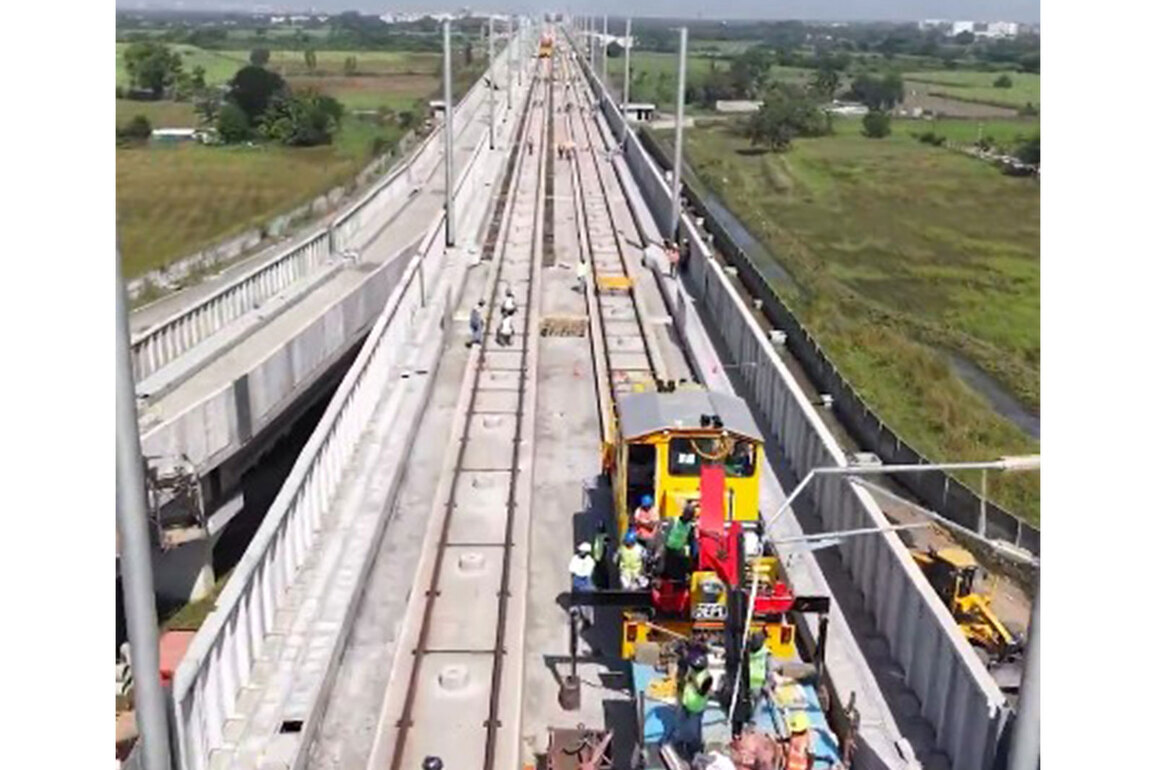
India’s high-speed rail developer has issued a detailed clarification on the financial structure and cost estimates of the Mumbai Ahmedabad Bullet Train project after renewed public debate over its projected expenditure and funding model. The agency responsible for implementing India’s first high-speed rail corridor said recent claims about large cost escalations and funding shortfalls do not reflect the project’s current financial framework or its long-term infrastructure objectives.
Officials involved in the project said large infrastructure programmes often undergo revisions once detailed engineering, land acquisition and contract execution phases begin. The Mumbai Ahmedabad Bullet Train corridor, spanning over 500 kilometres and linking two of western India’s largest economic centres, was initially estimated during an early planning phase nearly a decade ago. As the project progressed into advanced design and construction stages, updated cost calculations were prepared based on more precise technical inputs and contractual commitments. The implementing authority emphasised that the project continues to rely on a structured financing model created specifically for the high-speed rail initiative. According to officials familiar with the project, the funding arrangement includes long-term international financing alongside domestic institutional support, allowing the project entity to operate with its own capital framework rather than placing direct pressure on the broader railway budget.
Urban infrastructure analysts note that cost recalibration is not unusual for mega transport corridors globally. Rail systems that require specialised track technology, extensive land acquisition and complex civil engineering often see adjustments between conceptual estimates and final project costs. Experts say such revisions typically emerge as design parameters become clearer and construction packages are awarded. The Mumbai Ahmedabad Bullet Train project has been positioned as a strategic mobility investment aimed at transforming intercity travel across the western economic corridor. High-speed rail services are expected to significantly reduce travel time between Mumbai and Ahmedabad, two cities that anchor manufacturing, financial services and trade networks across Maharashtra and Gujarat.
Transport economists point out that beyond faster journeys, high-speed rail corridors often trigger wider regional development by strengthening business connectivity and improving labour mobility. Infrastructure planners also highlight the potential for transit-oriented growth around future high-speed rail stations, which can influence real estate development, commercial activity and urban expansion patterns. Questions about ticket pricing and affordability have also surfaced in public discussions. Officials associated with the project said fare structures would be determined closer to the launch of operations, after evaluating operating costs, passenger demand and comparative travel alternatives. They maintained that current speculative estimates circulating in public discourse do not reflect the official pricing framework under consideration.
India’s first bullet train corridor remains one of the country’s most ambitious transport infrastructure initiatives. Construction work is progressing across several segments of the alignment, including major viaducts, tunnels and dedicated high-speed rail stations. Urban mobility experts say the project will serve as a test case for how advanced rail technology integrates with India’s evolving transport ecosystem. As construction continues, policymakers and planners will likely focus on ensuring the corridor delivers not only faster travel but also broader economic and sustainability benefits for the cities it connects.
Mumbai Ahmedabad Bullet Train Funding Debate Draws Official Response