Chennai Water Systems Strengthened Through Krishna Supply
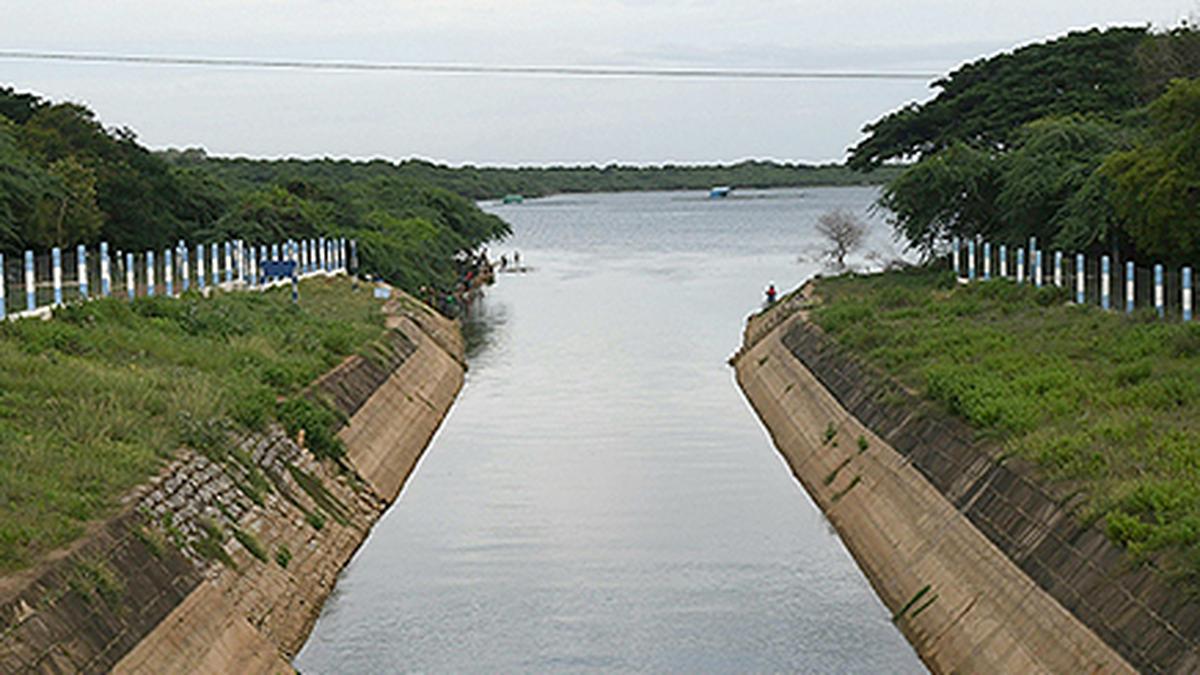
Chennai is bolstering its water reserves as the city anticipates rising demand during the peak summer months. The latest influx from the Krishna river system has begun feeding the Poondi reservoir, marking the second seasonal transfer aimed at ensuring uninterrupted urban water supply. Officials project that roughly four thousand million cubic feet (tmcft) of water could reach the city before April, providing a buffer against seasonal shortages.
The city relies on five major reservoirs for drinking water, which currently operate at about 80 per cent capacity. The additional Krishna water inflow is a strategic measure to mitigate risks posed by higher summer consumption and potential supply constraints. In the previous spell, from July to October 2025, approximately 3.7 tmcft of water was drawn from the Kandaleru dam, supplementing local supplies during the northeast monsoon season. For the current phase, Andhra Pradesh discharged water at the end of February, which has now reached Poondi. Early measurements indicate that 150 million cubic feet has already entered the reservoir network. Excess water is being routed to Red Hills and Chembarambakkam reservoirs through interlinked canals, maintaining balanced storage and distribution across the system.
Urban water planners highlight that pre-emptive storage is essential in a city prone to seasonal demand spikes and climate variability. “During peak summer, neighbouring states may prioritise their own water requirements, making advance storage in Chennai reservoirs critical,” noted a senior water department official. The proactive approach reflects growing emphasis on climate-resilient urban infrastructure, as erratic rainfall and heat waves increasingly threaten municipal water security. From a civic and economic perspective, reliable water supply underpins both residential stability and commercial activity. Analysts stress that secure reservoir management also benefits the real estate sector, where water scarcity can directly affect property values, occupancy rates, and investment decisions. In this context, Chennai’s dual-phase Krishna inflows provide both immediate relief and longer-term risk mitigation for urban growth.
Experts further point out that strategic inter-state water transfers and integrated reservoir operations are increasingly critical in Indian cities, where urban expansion outpaces local hydrological resources. Investments in such infrastructure not only address short-term shortages but also contribute to inclusive and equitable urban water access, supporting zero-carbon and climate-resilient city planning. As Chennai heads into the hottest months, the city’s water authorities continue monitoring reservoir levels, adjusting flows, and coordinating with neighbouring states. Ensuring consistent supply while managing environmental and inter-state considerations remains a key challenge, highlighting the need for continued investment in sustainable urban water systems.